
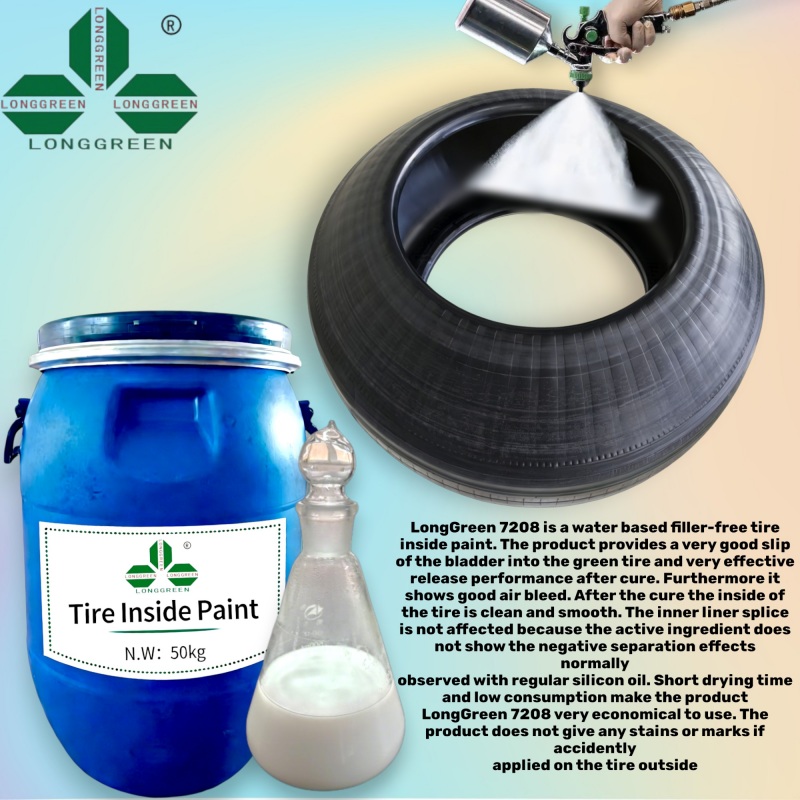
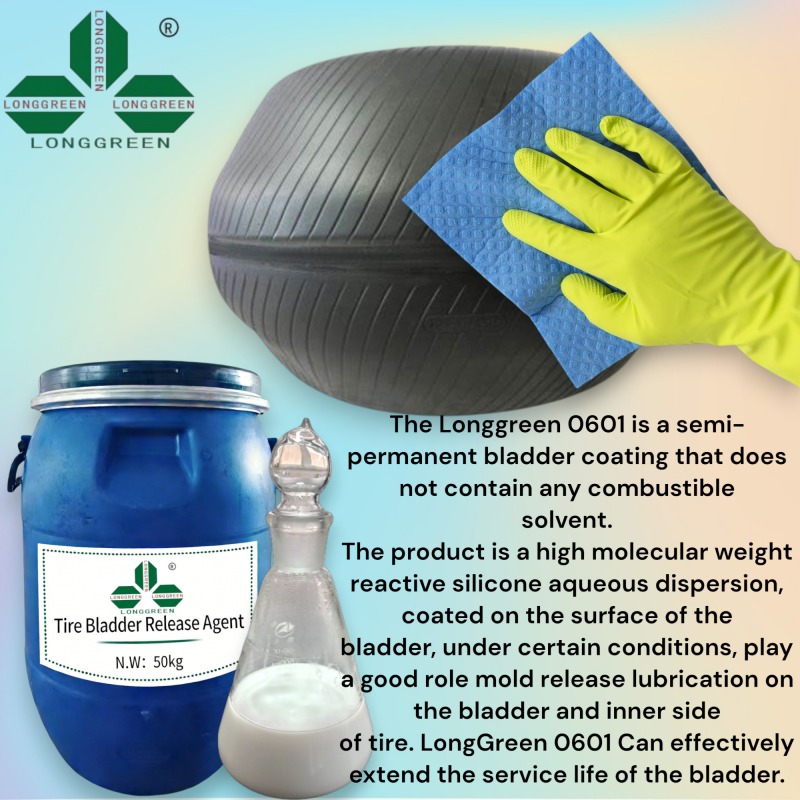
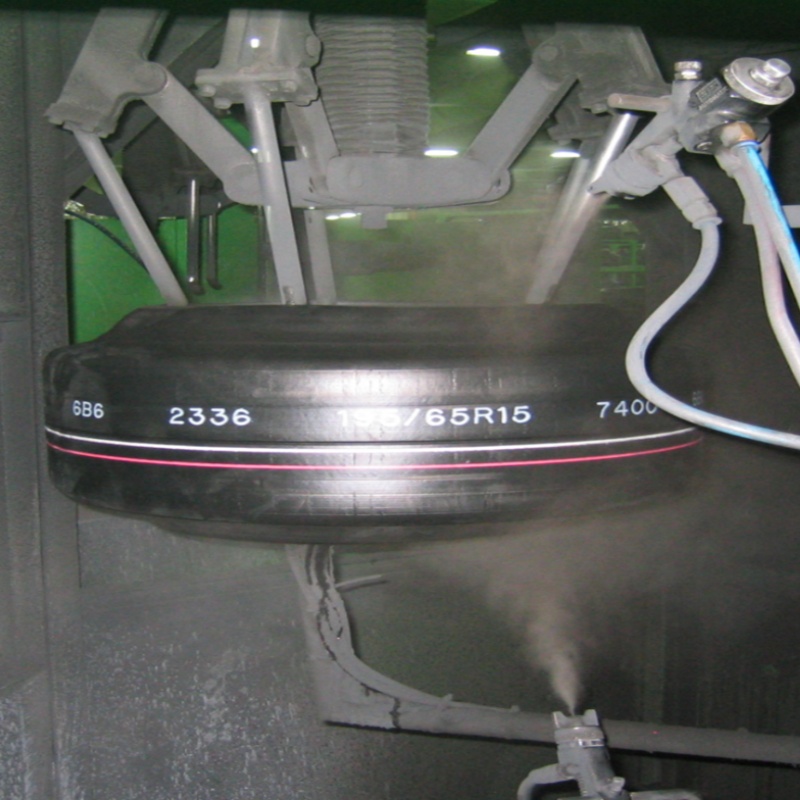
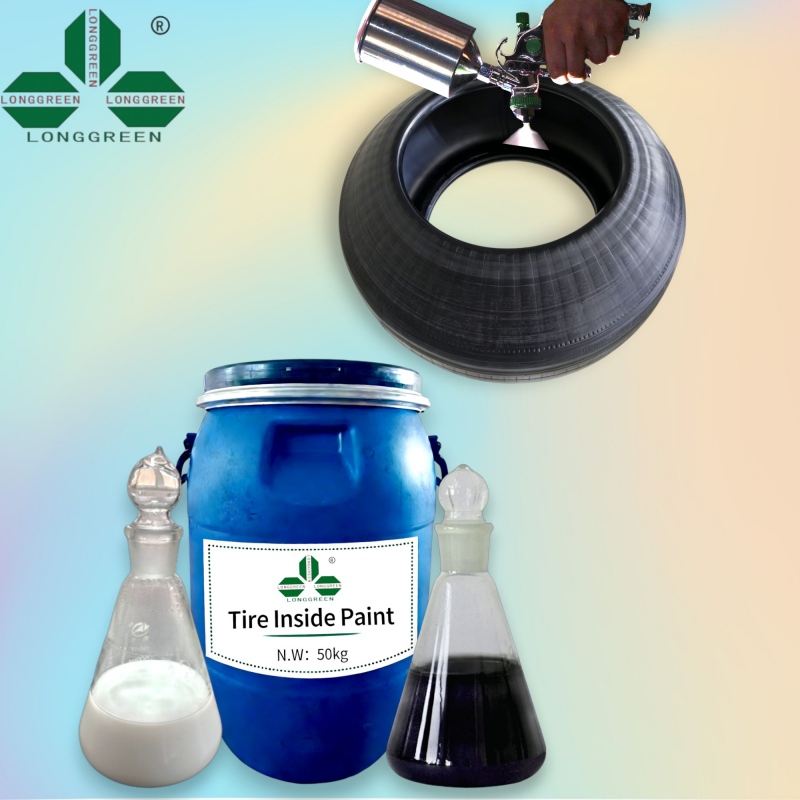
Tire inside paint is a regular coating that tire factories use every day. It lets workers take finished tires off the curing rubber bag easily, gets rid of air stuck inside tires during production, and shields the inner surface of tires from damage. In the tire manufacturing business, there are two main kinds of inner tire paint: filled tire inside paint and unfilled tire inside paint. Choosing the right paint makes a big difference to your final tire quality, inner appearance, wheel balance, and whether you can add extra functional parts to tires later.
A lot of factory staff and tire buyers can’t tell these two types of paint apart. This leads to frequent problems, such as air bubbles inside tires, unstable wheel balance, falling-off soundproof foam inside tires, and issues when installing TPMS sensors. This simple guide breaks down the real differences, advantages and downsides, and suitable usage scenarios for both filled and unfilled tire inside paint, helping tire factories make the right choice every time.
Key Differences Between Filled and Unfilled Tire Inside Paint
Comparison Item | Filled Tire Inside Paint | Unfilled Tire Inside Paint |
|---|---|---|
Core Performance | Excellent air removal effect, stops tires from sticking to bladders under high heat | Creates a perfectly smooth, even, powder-free inner surface |
Inner Tire Surface State | Dull matte look with faint powder marks visible | Clean, bright, flawless inner wall with zero dust buildup |
Dynamic Balance Impact | Built-up powder can cause weight imbalance, bad for precise wheel balance | Thin consistent coating keeps tire weight balanced and stable |
Post-Processing Compatibility | Leftover powder weakens glue bonding. Cannot be used with sound foam, self-sealing glue or tire sensors | No residue at all, works perfectly for gluing, foam sticking and sensor installation |
Production Adaptability | Works well with old bladders (worn air grooves) and regular production lines | Needs new bladders with clear air grooves and precise automatic spraying machines |
Cost Level | Cheap and budget-friendly for large-scale tire production | Higher cost due to premium pure-liquid formula and strict spraying standards |
Main Defect Risk | Too much spray causes thick powder buildup and unbalanced tires | Old or poor-condition bladders easily cause air bubbles and incomplete tire pressing |
When to Use Filled Tire Inside Paint
When to Use Unfilled Tire Inside Paint
High-precision automatic production lines: Matches new bladders with complete air grooves and modern automatic spraying machines. It keeps tires bubble-free while delivering perfect finished inner quality.
Quick Selection Rule for Factory Production
Our company provides both filled and unfilled tire inside paint to meet diverse production and quality requirements of different tire manufacturers. Whether you need cost-effective filled paint for mass production of industrial and heavy-duty tires, or high-purity residue-free unfilled paint for premium passenger tires and functional customized tires, we can supply qualified, stable and high-performance products. We support customized formulas and professional matching suggestions based on your production line conditions, tire types and processing needs, helping you optimize production efficiency, reduce defect rates and improve finished tire quality.
