Non-Toxic Rubber Antioxidant Gains Traction as Rubber Industry Pursues Sustainability
The global rubber industry is undergoing a profound shift toward eco-friendly solutions, with non-toxic rubber antioxidant emerging as a pivotal component in sustainable production. As environmental regulations tighten worldwide and consumer demand for green products rises, non-toxic rubber antioxidant has moved from a niche alternative to a mainstream priority, reshaping manufacturing practices across sectors reliant on rubber materials.
Traditional rubber antioxidants, while effective in extending the lifespan of rubber products by inhibiting oxidation and degradation, have faced scrutiny due to potential toxicological impacts on human health and the environment. Many conventional options contain substances that persist in ecosystems or pose risks during production and disposal. This has prompted regulatory bodies in key markets to impose stricter limits on harmful additives, creating a pressing need for safer alternatives—where such solutions have stepped in as a viable option.
It offers a dual advantage: maintaining or enhancing the performance of rubber products while aligning with sustainability goals. Unlike traditional counterparts, such additives are formulated using renewable or low-impact raw materials, minimizing environmental footprints throughout their lifecycle. From automotive tires to industrial seals and consumer goods like footwear, this solution is being integrated into diverse rubber applications, ensuring durability without compromising safety.
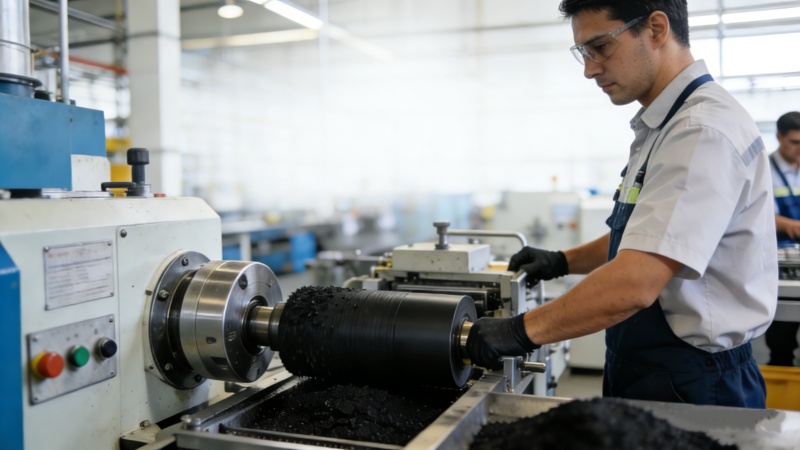
Market data indicates a steady surge in demand for such additives, driven by both regulatory pressure and industry self-regulation. Regions with stringent environmental policies have led the adoption, with manufacturers investing in research to optimize formulations for different rubber types, including natural rubber and synthetic variants like styrene-butadiene rubber (SBR). The versatility of this solution—its ability to adapt to various processing conditions and performance requirements—has accelerated its adoption across the supply chain.
Industry insiders note that it is not just a compliance measure but a strategic investment. As brands increasingly emphasize sustainability in their product messaging, incorporating such additives has become a competitive differentiator. Consumers are more likely to choose rubber products labeled as non-toxic, pushing manufacturers to prioritize non-toxic rubber antioxidant in their production lines. This shift has also spurred innovation in the development of high-efficiency variants that offer longer-lasting protection and better compatibility with other rubber additives.
Challenges remain in the widespread adoption of such additives, particularly regarding cost and scalability. Currently, some non-toxic rubber antioxidant formulations are more expensive than traditional options, though economies of scale and advances in production technology are gradually narrowing this gap. Research institutions and industry consortia are collaborating to develop cost-effective solutions, focusing on improving production efficiency and sourcing affordable raw materials.
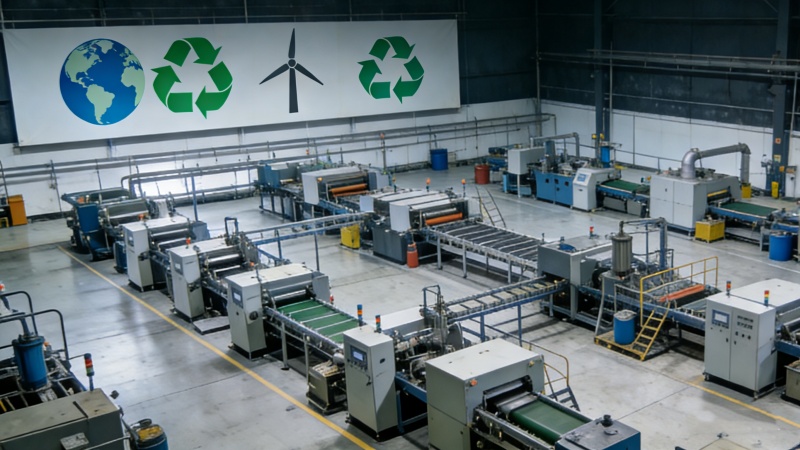
Another key focus is enhancing the performance of non-toxic rubber antioxidant in extreme conditions. For applications like heavy-duty tires or industrial rubber components exposed to high temperatures, humidity, or chemical stress, non-toxic rubber antioxidant must deliver consistent protection to ensure product reliability. Ongoing R&D efforts are aimed at boosting the thermal stability and anti-degradation capabilities of non-toxic rubber antioxidant, expanding its applicability to high-performance sectors.
The rise of non-toxic rubber antioxidant is also reshaping supply chain dynamics. Suppliers are expanding their portfolios to include non-toxic rubber antioxidant, while manufacturers are revising their procurement strategies to prioritize sustainable additives. This shift has fostered greater collaboration between raw material producers, additive developers, and rubber product manufacturers, creating a more integrated and eco-conscious supply chain.
Looking ahead, the non-toxic rubber antioxidant market is poised for continued growth. As global sustainability targets become more ambitious—including carbon neutrality goals and zero-waste initiatives—non-toxic rubber antioxidant will play an increasingly critical role in reducing the rubber industry’s environmental impact. Additionally, emerging markets are expected to drive demand as regulatory frameworks mature and consumer awareness of sustainable products grows.

In summary, non-toxic rubber antioxidant represents a key enabler of the rubber industry’s transition to sustainability. Its ability to balance performance, safety, and environmental responsibility has positioned it as a cornerstone of modern rubber production. While challenges persist, ongoing innovation and increasing industry commitment to green practices are set to solidify non-toxic rubber antioxidant’s role as a standard component in the global rubber supply chain, paving the way for a more sustainable future.