
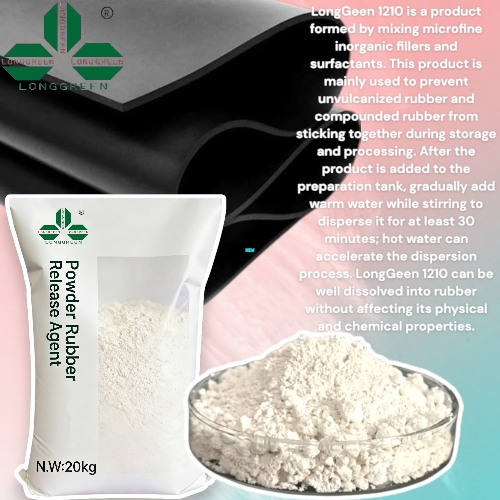
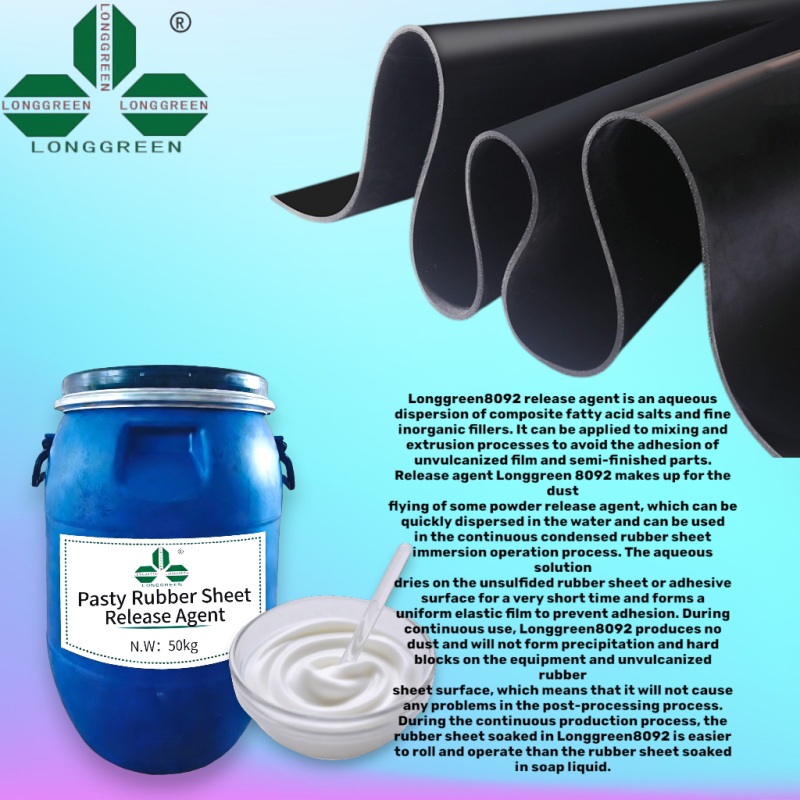
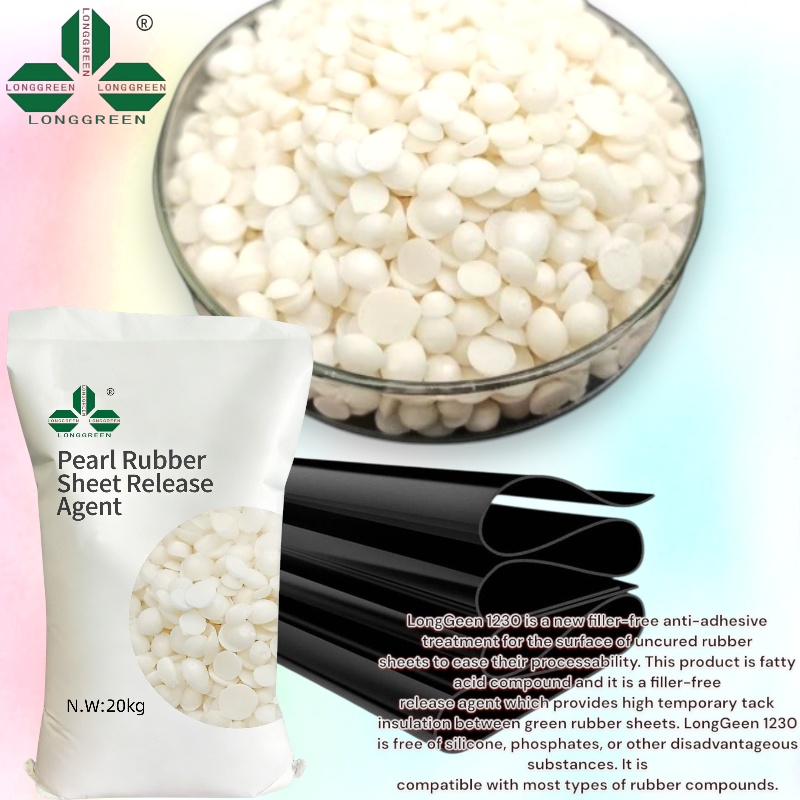
Anyone who’s worked around tire manufacturing floors knows how much internal release agents impact daily output. Even small issues with demolding can snowball into big operational headaches. It’s common to see tires stick to curing bladders, leaving ugly blemishes on the inner liner. Mold residue builds up cycle after cycle, forcing workers to stop production for tedious manual cleaning. These recurring issues create consistent defects, pile on extra rework, and generate unnecessary material waste. As tire factories worldwide chase higher production volumes and stricter environmental standards of release agents, traditional release products simply can’t keep up. This is why newly reformulated inside release solutions have become such a vital upgrade of release agents for modern tire production lines.
For a very long time, almost every tire plant relied on oil and solvent-based release mixtures for internal demolding work. While these basic products could separate tires from molds, they came with a long list of practical drawbacks of release agents. Residue left on the tire’s inner surface ruined finish quality and weakened the bond between inner liner and carcass rubber layers. This was a massive pain point for retreadable tires, as poor adhesion reduced service life and raised field failure risks. On top of quality issues, high solvent formulas released strong chemical fumes inside workshops. Working conditions suffered, ventilation systems were constantly overloaded, and factories struggled to keep up with tightening international emission and chemical safety rules of release agents.
The switch to upgraded water-based internal release agents has fixed most of these age-old production problems of release agents. Unlike old solvent-heavy options, modern formulas cut VOC output of release agents by a huge margin. They spread evenly on raw, uncured rubber and form an extremely thin, uniform coating during vulcanization. This simple but effective film delivers steady, reliable demolding results every run. There’s no heavy residue left behind to damage tire surfaces or clog up expensive molds over time.
On real production floors, the difference these new agents make is impossible to ignore. Factories that have switched over report far fewer sticking defects of release agents and scrapped tires. Molds stay clean for way longer, which cuts out unplanned downtime spent on deep cleaning. Early water-based release products had obvious flaws, often performing poorly on heavy truck and industrial tires, especially in lower-temperature curing setups. Today’s optimized blends fix all those old inconsistencies of release agents, working reliably across every tire type — basic passenger tires, heavy trucks, off-road equipment and industrial tires all included.
Low-migration formula design of release agents is one of the most practical improvements of release agents the industry has seen in years.
Conventional release chemicals tend to permeate rubber materials under the high temperature and pressure of the tire curing process. This invisible infiltration weakens the internal bonding structure of rubber, leading to latent quality defects. These hidden issues often only emerge during final product testing or tire retreading procedures. In severe cases, entire production runs have to be discarded, resulting in substantial economic losses for tire manufacturers. By contrast, newly developed low-migration formulations remain exclusively on the rubber surface. They will never seep into the tire’s internal structural layers, which completely safeguards rubber adhesion performance. Meanwhile, these formulas deliver perfect demolding effects and ensure tires remain fully compatible with retread processing.
Beyond improving production quality and operational efficiency, these upgraded release materials also deliver concrete environmental and sustainable benefits of release agents. Formulated with water-based ingredients and low volatile organic compound (VOC) content, they drastically cut down harmful gaseous pollutants in production workshops. This eases the operational burden of factory air filtration equipment and simplifies daily air quality management work. Additionally, production wastewater generated from the use of these materials contains far fewer toxic pollutants. This not only reduces third-party wastewater treatment costs but also helps manufacturing facilities easily meet EU REACH requirements and local industrial waste discharge standards.
It is for these key benefits of release agents that top tire OEMs across the globe are actively adopting these sustainable solutions, and incorporating them into their core long-term carbon reduction and green manufacturing roadmaps.
One of the biggest perks of this updated release agent lineup is how well it fits in with existing manufacturing equipment. Tire factories do not have to buy new spraying units, revamp their storage areas, or adjust their line running speeds at all. The custom formulas are fully adaptable to mainstream automatic bladder spraying equipment and standard indoor storage environments of release agents used in most tire plants.
Manufacturers of every scale, from small workshops and mid-size facilities to large industrial tire plants, can complete this upgrade with minimal cost and zero operational risk. There is no need for expensive equipment overhauls, nor does the transition require halting production. Most material suppliers also provide concentrated product variants, which factory staff can dilute on location according to production needs of release agents. This simple adjustment drastically cuts down plastic packaging waste and lowers carbon footprints generated by long-distance freight transport.
The global tire sector is constantly evolving, leaning into production solutions of release agents that are more eco-friendly, budget-friendly and operationally efficient. Conventional solvent-based release agents have long plagued manufacturers with heavy pollution issues and unstable product performance, and are gradually being eliminated from the entire industry.
The new generation of internal release agents delivers reliable production stability, consistent quality output and full environmental compliance all at once, effectively fixing many recurring operational issues that frontline workers encounter during daily production runs. For tire producers worldwide, switching to these improved materials is far more than a small technical modification. It is now a critical operational strategy to cut running costs, preserve core market competitiveness, and keep up with the ever-tightening sustainability standards that dominate today’s global tire supply chain.
