
When it comes to making rubber products, three things really matter: how smoothly your line runs, how clean your workshop is, and how good your final parts turn out. One small but really useful product that has changed how we handle uncured rubber sheets is the pearl particle release agent. If you work with rubber, you might be wondering what it actually is and why it’s worth using. In this article, we’ll break down what this material is, what benefits it brings, and where you can use it.
What Is a Pearl Particle Release Agent, Exactly?
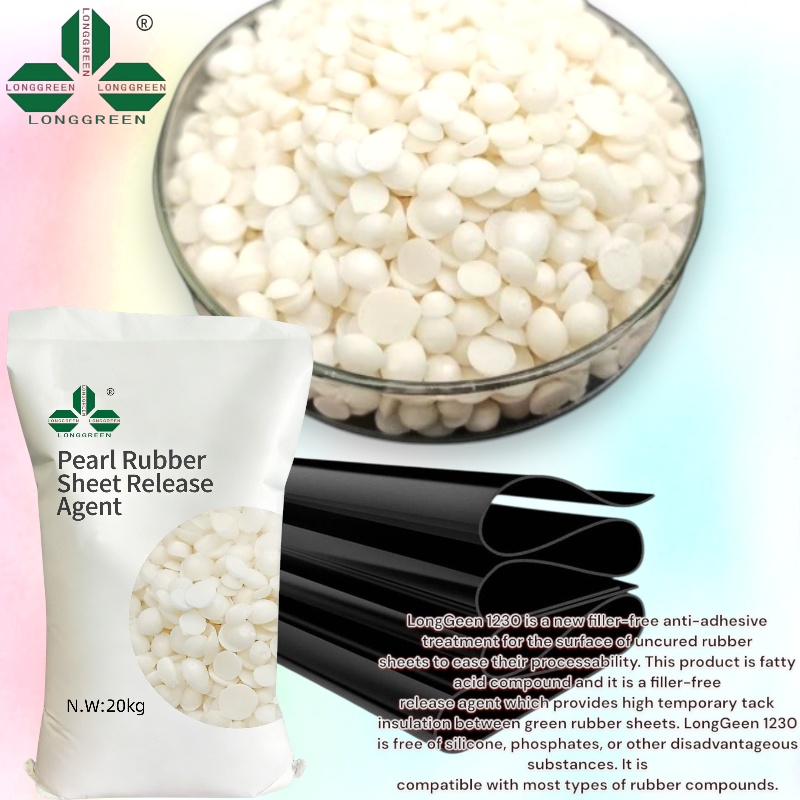
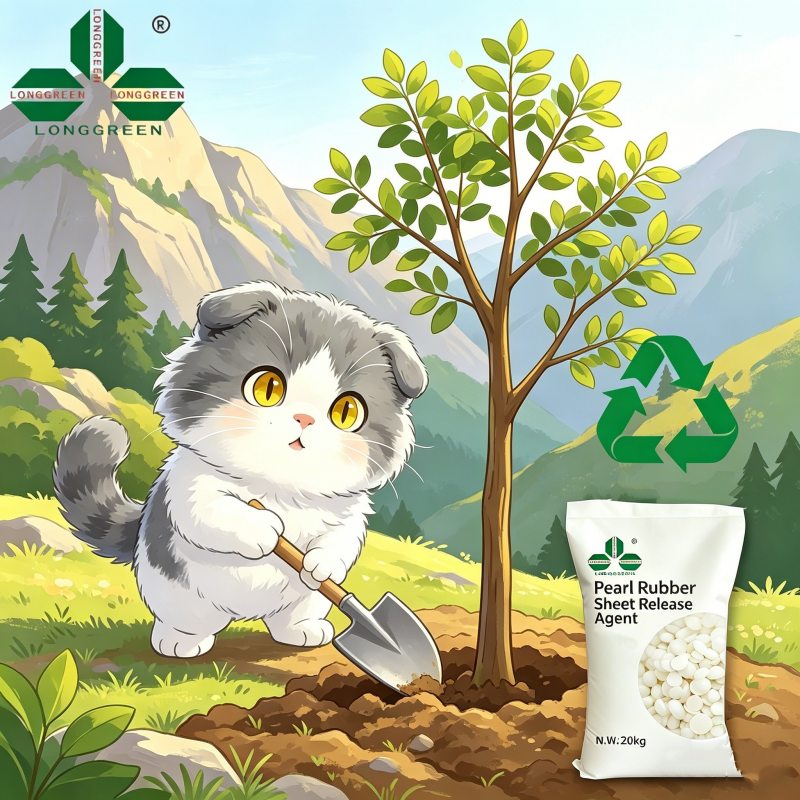
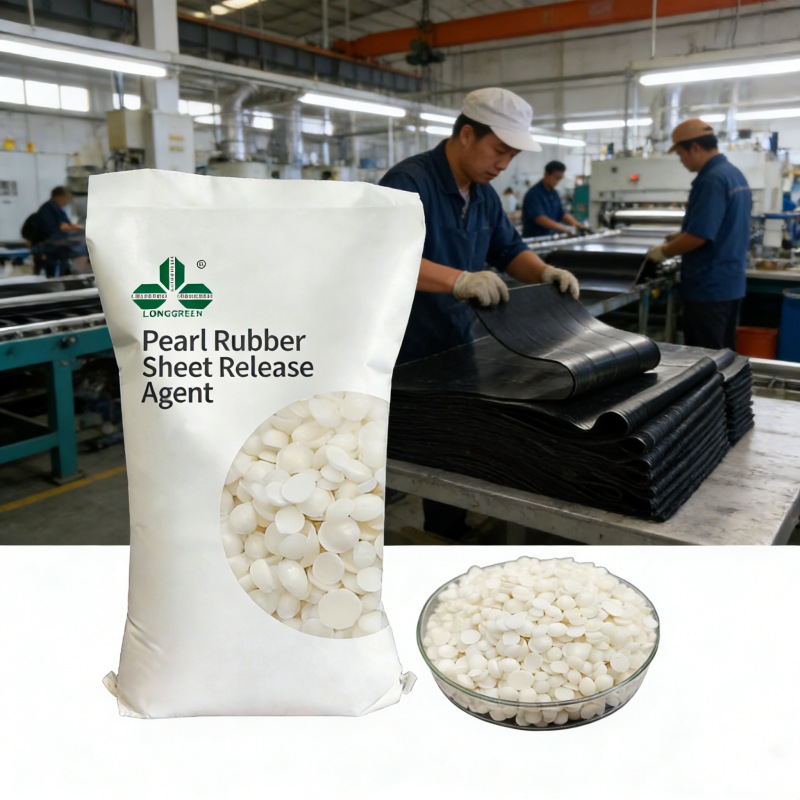
A pearl particle release agent is a special anti-stick product made mainly for raw, uncured rubber sheets. It comes in small, bead-like particles, usually white or light yellow, that are easy to handle and measure. Unlike old-style liquid or powder release agents, these pearl-shaped beads help control dust and let you use a much more exact amount.
Its main job is simple: it creates a thin, temporary layer between sheets of uncured rubber so they don’t stick together. This comes in handy during storage, shipping, calendering, stacking, and molding. Best of all, it makes rubber much easier to work with without messing up how it cures or how your finished product performs.
How Does It Work?
Using a pearl particle release agent is straightforward.
First, you mix the pearl particles in hot water — usually around 80 to 90°C — until they spread out evenly. Then you apply this mixture to the surface of your uncured rubber sheets, often using a heated soaking or mixing tank.
Once the water dries off, a thin, even layer of the release agent stays on the rubber. This thin layer stops the rubber from feeling sticky, so you can pull sheets apart cleanly whenever you need. But it doesn’t permanently change the rubber’s surface, so it won’t cause problems later when you build, splice, or cure your parts.
What Makes Pearl Particle Release Agents Better?
No fillers
Many common release agents have fillers that can leave marks or affect your rubber mix. Real pearl particle release agents usually have no fillers at all, so no unwanted particles get into your rubber. That’s super important for high-quality parts like automotive seals, hoses, and tire components.
No silicone or phosphates
Silicone-based release agents are common, but they can cause surface flaws, ruin bonding or painting, and contaminate your equipment. Good pearl particle release agents have no silicone and no phosphates, so they work safely with almost all rubber materials.
Almost no dust
Powdered release agents float in the air, make a mess, and can even be unhealthy for workers. Pearl-shaped products create almost no dust. That means safer working conditions and no wasted product from blowing away.
No buildup on machines
Some release agents build up on rollers and molds over time, forcing you to stop and clean often. A high-quality pearl particle release agent leaves almost no residue, so your production line can run longer with less cleaning.
Works with all kinds of rubber
Whether you’re using natural rubber, SBR, NBR, EPDM, or special formulas, a well-made pearl release agent will work fine. It won’t get in the way of curing, bonding, or the physical strength of your finished product.
Why Rubber Makers Should Use It?
Faster, smoother workflow
Without a release agent, uncured rubber sheets stick badly, tear easily, get deformed, and lead to a lot of wasted material. Using pearl release agent lets you stack, store, and move sheets without worrying about them sticking together. This makes your whole process smoother from mixing to final assembly.
Saves money
While the release agent is an extra cost, you save far more by cutting down on scrap, reducing production stops, and spending less time cleaning equipment. And since pearls let you mix a precise dilution — usually 1.0% to 2.0%, depending on rubber and season — you don’t waste product by using too much.
Works year-round
Rubber gets softer and sticker in warmer weather, so you can use a slightly higher concentration in summer. In colder months, a lower amount works fine. This flexibility means consistent performance all year.
Cleaner, safer workplace
Dust-free pearls mean cleaner air, less cleaning work, and more satisfied employees. Most pearl release agents are also safe for regular handling, though always check the safety data sheet.
How to Use It Properly?
Heat water to 80–90°C in a mixing or soaking tank.
Add the pearl particles while stirring until they spread evenly.
Mix to your needed concentration — 1.0% to 2.0% works for most cases.
Apply to uncured rubber by dipping, spraying, or roller coating.
Let dry or stack right away; the anti-stick layer forms immediately.
Exact concentration can change based on rubber type, sheet thickness, and temperature. Your supplier’s tech team can give you exact advice.
Common Misconceptions
Myth: All release agents work the same.
Fact: Simple soaps, talcum powder, and silicone sprays often cause bonding issues, mold fouling, or surface defects. Pearl particle release agents are made specifically for uncured rubber and avoid these problems.
Myth: Pearls are hard to dissolve.
Fact: They spread easily in hot water without heavy mixing. You only need a standard heated tank.
Myth: It ruins rubber-to-metal bonding.
Fact: A quality product only works temporarily. It doesn’t sink into the rubber or affect later bonding or curing.
Storage and Environmental Notes
Store in a cool, dry place between 2°C and 35°C. When kept sealed, it usually stays stable for at least 12 months.
Since it has no fillers, silicone, or phosphates, it’s more eco-friendly. It doesn’t leave stubborn pollutants in water or rubber waste. Many versions are biodegradable or low-toxic — always check the SDS for details.
Where It’s Used?
Rubber sheet producers – to prevent sticking during rolling and stacking
Tire manufacturers – for storing plies and treads
Hose and belt makers – handling uncured layers
Custom rubber compounders – shipping uncured rubber without blocking
Molded product makers – preparing blanks for compression or transfer molding
In all these cases, the pearl release agent works quietly to keep production running smoothly.
How to Choose the Right One?
Look for these key points:
No fillers to avoid contamination
No silicone or phosphates
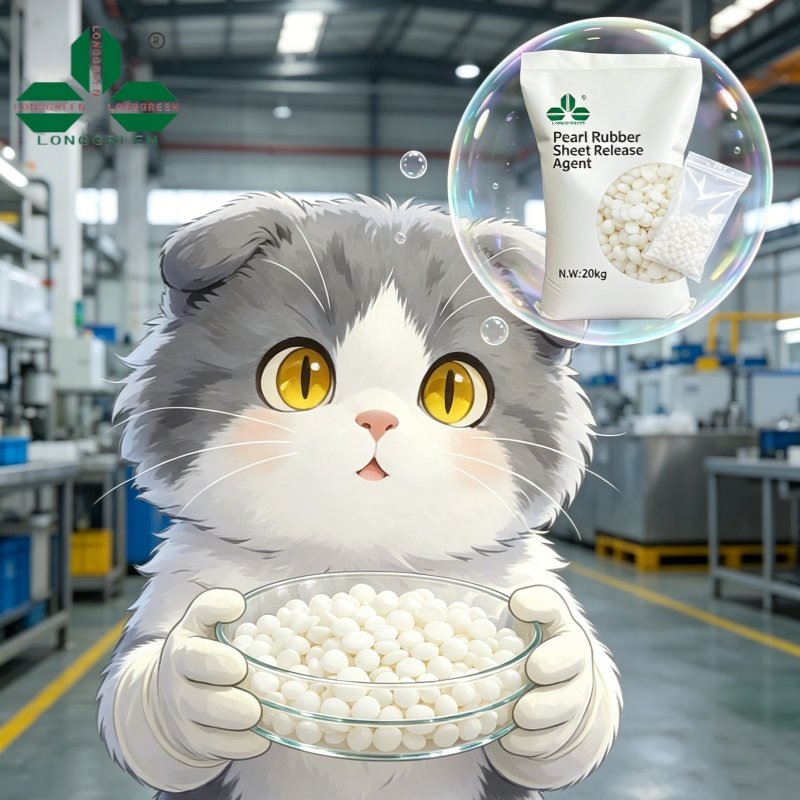
Dust-free pearl form
No machine buildup
Proven to work with your rubber compounds
Always ask your supplier for technical and safety data sheets. A reliable manufacturer will give clear instructions on use and results.
Wrapping Up
Pearl particle release agent isn’t just another anti-stick product. It’s a practical solution to one of the oldest headaches in rubber making: sticky uncured sheets. By providing a clean, temporary anti-stick layer, it helps you produce more, waste less, and keep a better workplace.
Whether you run a small mixing shop or a large tire factory, using this product is a smart investment that quickly pays for itself.
Next time you stack a pallet of uncured rubber sheets, remember: these tiny pearls can make a huge difference.
