





The global automotive and transportation industry is witnessing a surge in demand for high-performance tire lubricant solutions, as manufacturers and fleet operators prioritize operational efficiency, tire longevity, and environmental compliance. Tire lubricant, a critical component in tire mounting, maintenance, and performance optimization, has evolved significantly in recent years, with advancements in formulation and application techniques reshaping market dynamics.
Industry analysts note that the rising adoption of tire lubricant stems from its multifaceted benefits: reducing friction during tire installation to prevent bead damage, minimizing wear between tire components for extended service life, and enhancing fuel efficiency by optimizing rolling resistance. As regulatory bodies tighten environmental standards, modern tire lubricant formulations are increasingly shifting toward biodegradable and low-VOC (volatile organic compound) compositions, aligning with global sustainability goals. This shift has accelerated the development of plant-based tire lubricant options, which offer comparable performance to traditional petroleum-based products while reducing ecological impact.

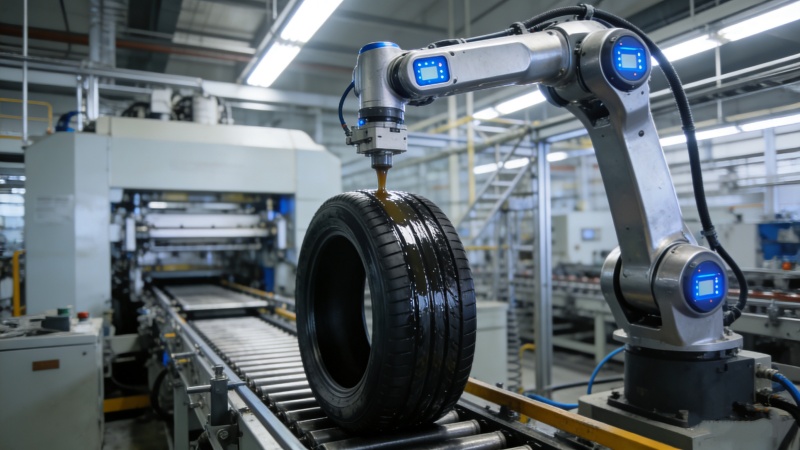
Technological innovations in tire lubricant delivery systems are also gaining traction. Precision application tools, such as automated sprayers and targeted dispensing units, ensure uniform coverage of tire surfaces, maximizing the effectiveness of the tire lubricant while minimizing waste. These advancements not only improve performance but also support cost-efficiency, as operators can reduce overuse of tire lubricant without compromising results.

Industry experts emphasize that the future of tire lubricant lies in continuous innovation, with a focus on sustainability, performance customization, and compatibility with next-generation tire materials. As the automotive sector evolves toward electrification and circular economy models, tire lubricant will remain a vital enabler of efficiency, safety, and environmental responsibility, solidifying its position as an indispensable component in the global transportation ecosystem.

