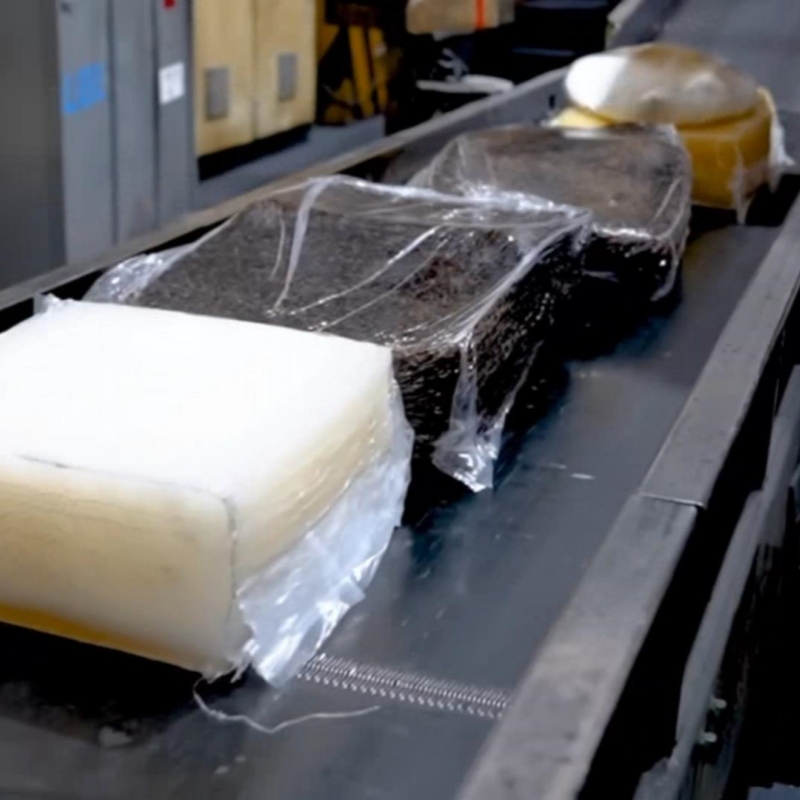

Have you ever thought about rubber products around us, such as vehicle tires, elastic rubber bands, hoses and daily seals? Well raw rubber straight from a rubber tree or chemical production lines is actually pretty useless for practical use. It’s overly sticky, mechanically weak, and once stretched, it cannot return to its original shape and will stay deformed permanently. That’s far from meeting real application needs, right? So that’s why people add a bunch of other chemical ingredients to it. They have to.
You need to make it strong and elastically stretchy. Raw rubber is just a bunch of long floppy molecular strings that slide around freely under external force. You add sulfur and some other curing agents to cross-link and glue those molecular strings together tightly. Then boom – the material becomes flexible yet bounces back instantly after stretching. No more permanent deformation, and the unpleasant stickiness is also eliminated. That process is called vulcanization or curing, just like cooking. You can't just eat plain flour without mixing other ingredients to make tasty food.
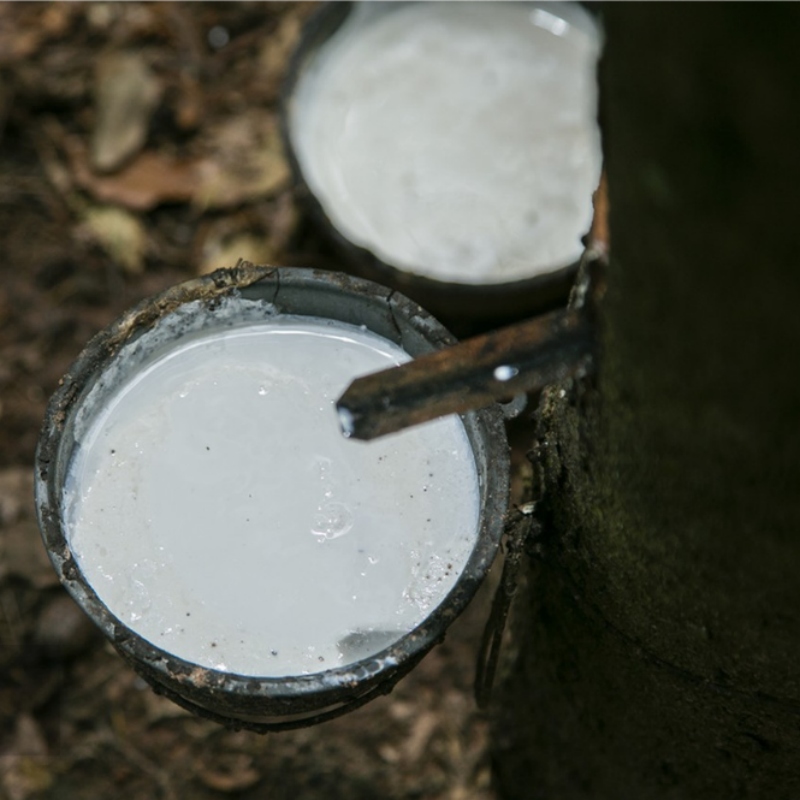
Making finished goods with pure raw rubber is a total nightmare. It’s like cold taffy that sticks to every surface it touches, including production machines and molds. So manufacturers add softeners, plasticizers and process oils to improve its fluidity, letting it flow smoothly into molds easier during production. Without these processing aids, mass-producing tires, shoe soles and other rubber goods would be extremely slow, inefficient and costly for manufacturers.
Rubber also tends to crack and degrade when exposed outdoors. Sunlight, oxygen and especially ozone will erode its internal structure gradually over time. You ever see an old rubber band that’s all crumbly, brittle and broken? Yeah that’s exactly how natural aging damages rubber. So producers add anti-aging agents, antiozonants and waxes. The wax migrates to the rubber surface and acts like a solid protective shield, while anti-aging additives take the damage first instead of the rubber itself. Thanks to them, your tires can serve you for years instead of wearing out in just a week.