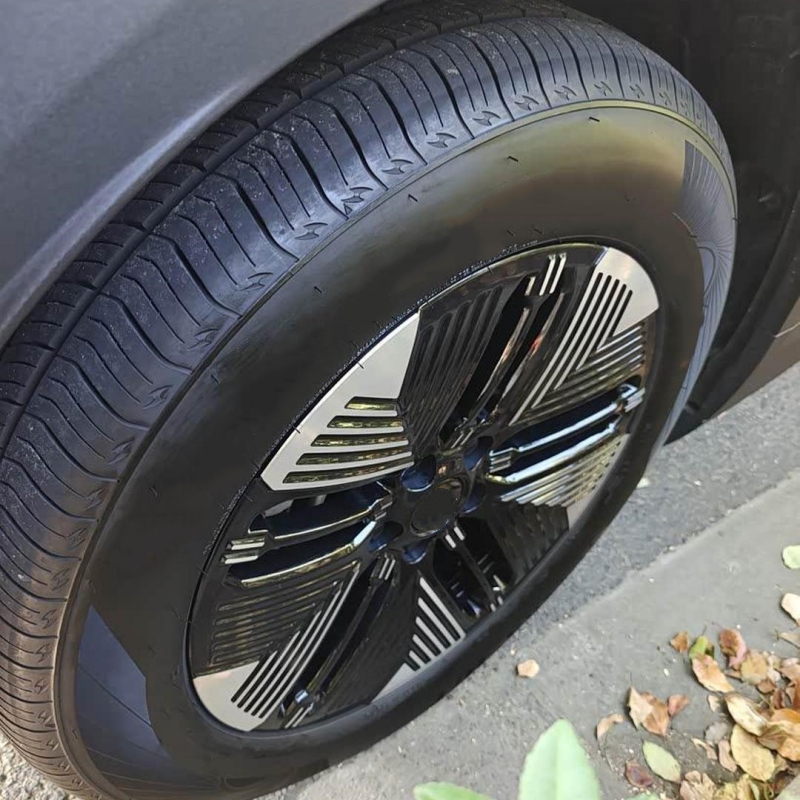

Anyone who’s ever cleaned and dressed their tires at home knows this super frustrating problem all too well. You spray on some matte tire dressing, let it sit for a bit, come back to check on it, and the tires are still sticky to the touch. To make matters worse, that tacky surface picks up every tiny bit of dust and grime from the road. Within just a couple days, your nice clean tires turn dingy brown, and the greasy leftover residue even flings onto your freshly cleaned wheels and car paint. Most of the time, this isn’t because you bought a bad product – in fact, even a quality matte tire dressing can fail if you don’t use it right. It’s almost always down to simple application errors and overlooked environmental factors that most everyday drivers don’t notice at all.
The number one reason your tires end up sticky is pretty simple: you’re using too much dressing. So many car owners fall for the myth that more product equals a deeper, longer-lasting matte finish. They hold the spray nozzle way too close to the tire and layer on thick coats, until the product starts pooling up in the tread grooves and sidewall crevices. Matte tire dressings work totally differently from standard shiny tire waxes. They’re made with lighter, thinner film-forming ingredients specifically to create that clean, flat, non-glossy look. When you over-apply and build up a thick layer, the top coat dries out and forms a thin skin on the surface. Meanwhile, all the product underneath never gets enough airflow to fully cure. No matter how long you let it sit, the entire tire surface will stay permanently tacky – and matte tire dressing is especially prone to this because of its thin, solvent‑based formula.

Poor spraying habits only make this sticky issue worse. A huge number of people skip properly shaking the can before they start spraying. When the dressing sits on a shelf for a while, the active ingredients and solvent sink straight to the bottom of the can. If you don’t shake it for a full 30 seconds or longer, the contents won’t mix evenly. You’ll end up spraying mostly thick, concentrated formula with barely any solvent to thin it out. The solvent burns off and evaporates almost instantly, leaving thick, oil-heavy compounds stuck on the rubber that never fully dry out. Spraying too close — anything under five inches from the tire — also causes immediate product pooling. Those thick puddles are way harder to cure evenly compared to a light, fine, misted coat. And if you’re using a matte tire dressing that isn’t properly shaken, you’re basically guaranteeing a sticky disaster.
You’d be surprised how much your working environment affects the end result, and this is something almost everyone overlooks. Temperature and humidity make a massive difference in how well tire dressing cures and sets up. If you’re working in cold weather under 10°C, the dressing thickens up drastically, loses its ability to flow smoothly, and basically stops curing entirely. You can wait hours and hours, and the tire surface will still feel soft and sticky. High humidity is just as problematic. Excess moisture in the air prevents the solvent from evaporating like it should, locking uncured dressing into the tire rubber. Another super common mistake people make is dressing their tires right after driving, when the rubber is still hot from the road. The tire’s surface heat flash-dries the top layer of dressing, locking wet, uncured product underneath, creating that stubborn sticky finish. To get consistent results, always apply your matte tire dressing in a mild, dry environment – that alone can cut your sticky‑tire problems in half.
Skipping basic tire prep is also a common mistake that ruins the finish. You can’t apply matte dressing on dusty, damp, or oily tires. Road grime, brake dust, and residual tire grease form a barrier on the rubber surface. The dressing can’t bond properly with the tire, so it just sits on top of the dirt instead of curing into a stable film. Even if it feels dry at first, it will turn sticky once you drive and generate slight heat or friction. A lot of casual detailers skip wiping the tires clean and dry before spraying, which is why their tire dressing never lasts well and always gets tacky. A quick pre‑clean with a degreaser and a microfiber towel is all it takes – then your matte tire dressing can actually adhere to the rubber instead of floating on grime.
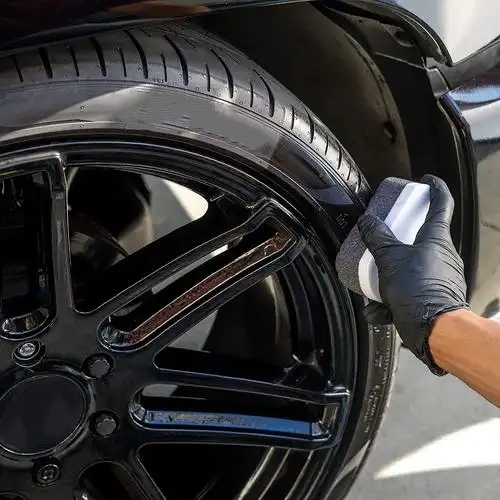
What’s more, many people skip the essential final wipe step after spraying. Professional detailers always do a light wipe after applying matte tire dressing, and it’s not an unnecessary step. A quick wipe with a clean microfiber towel removes excess product, evens out the coating, and eliminates residual wet film that causes stickiness. Skipping this step leaves surplus formula filling the tire’s tiny texture pores, which attracts dust and stays sticky indefinitely. If you’ve ever wondered why your tires still feel greasy hours later, it’s almost certainly because you didn’t buff them off – and this is true whether you’re using cheap stuff or a premium matte tire dressing.
A small number of cases come from product quality or shelf-life issues. Expired tire dressing has broken-down ingredient ratios, with failed solvent and curing agents that can’t dry normally. Some cheap low-quality matte dressings use excessive oily fillers to fake a rich matte color, and these fillers have no curing properties at all, staying greasy and sticky permanently after application. So while a good matte tire dressing can work wonders, a bad one will give you grief no matter how carefully you apply it.
The good news is fixing and preventing sticky tire dressing is super straightforward with simple habit changes. Always shake the spray can vigorously for at least 30 seconds before use. Clean and dry your tires thoroughly first, removing all dust and oil. Apply multiple thin, even coats instead of one thick heavy coat, holding the can 6 to 8 inches away from the tire. Never apply dressing on hot tires; let them cool down completely. Work in a well-ventilated area with mild temperature and low humidity. Most importantly, do a final light wipe after spraying to buff off excess product. These steps work for any brand, but they’re especially critical when you’re using a water‑based matte tire dressing that tends to stay wet longer.
If your tires are already sticky, you don’t need to replace the dressing entirely. You can clean the residual uncured product with a mild degreaser or a baking soda water mixture, scrub gently with a soft brush, rinse and dry completely, then reapply a thin, even layer following the correct method. You’ll get a clean, dry, true matte finish with zero stickiness and way longer durability.