
The ordinary marking materials used before were mostly oily and contained volatile organic compounds. The workshop odor was particularly strong, and problems were prone to occur during environmental inspections. Workers also felt uncomfortable operating for a long time. And the drying speed is very slow. The tread rubber strip has not yet entered the cooling water tank, and the ink on it has not dried. When it comes into contact with water, the color will directly melt and fall off, and the markings will be blurry. Sorting workers find it difficult to quickly distinguish tire specifications, and often mix materials, causing a lot of losses. It also has poor adhesion to rubber. After vulcanization, the color becomes dull and gray, and sometimes there are large areas of label peeling and mottled stripes. Just screening for defective products requires a lot of labor.
Most inks on the market still need to be mixed with water to adjust their viscosity, and changing colors or production lines requires retesting the ratio, wasting raw materials and labor hours; The standard color selection is limited, and if you want special colors, you need to communicate and make samples separately, which takes a long time. In addition, oily ink is a hazardous material with high shipping and logistics costs. The warehouse also needs to be separately divided into hazardous storage areas, and there are many rules and regulations for daily management, which is very troublesome.
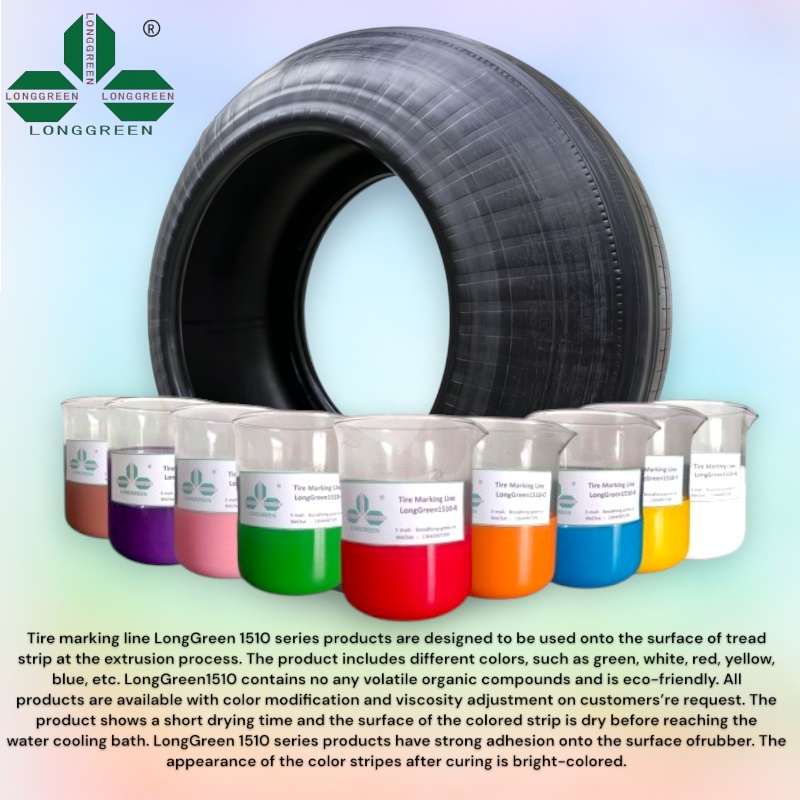
The 1510 marking liquid does not have these shortcomings. It belongs to water-based pigment suspension slurry, completely free of VOC volatile substances, and has no pungent odor in the workshop. Environmental testing can easily meet the standards. We have several colors including regular green, white, red, yellow, and blue. If the factory has special color matching and viscosity requirements, we can also adjust them as needed to adapt to all tire and rubber product extrusion lines.
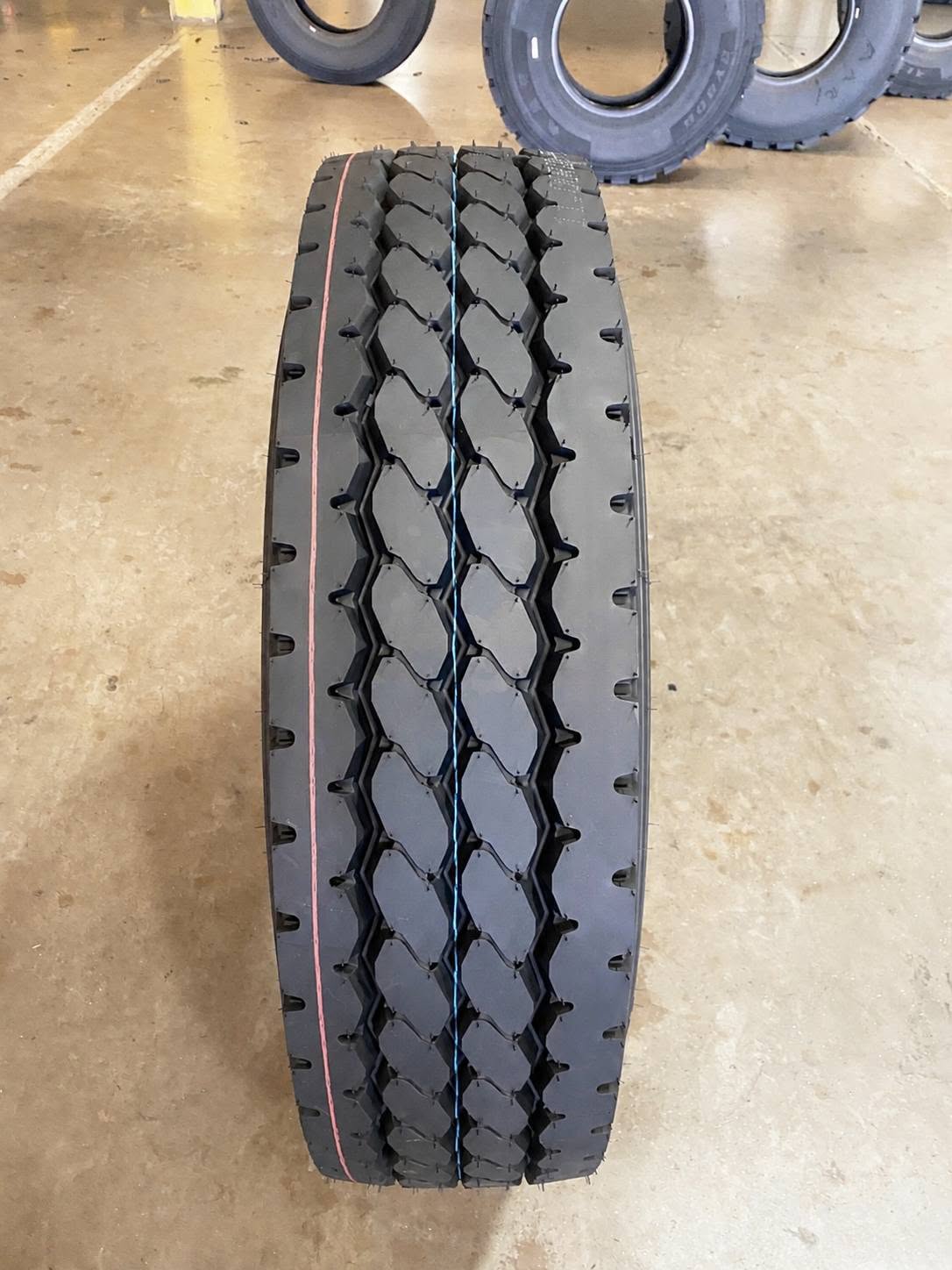
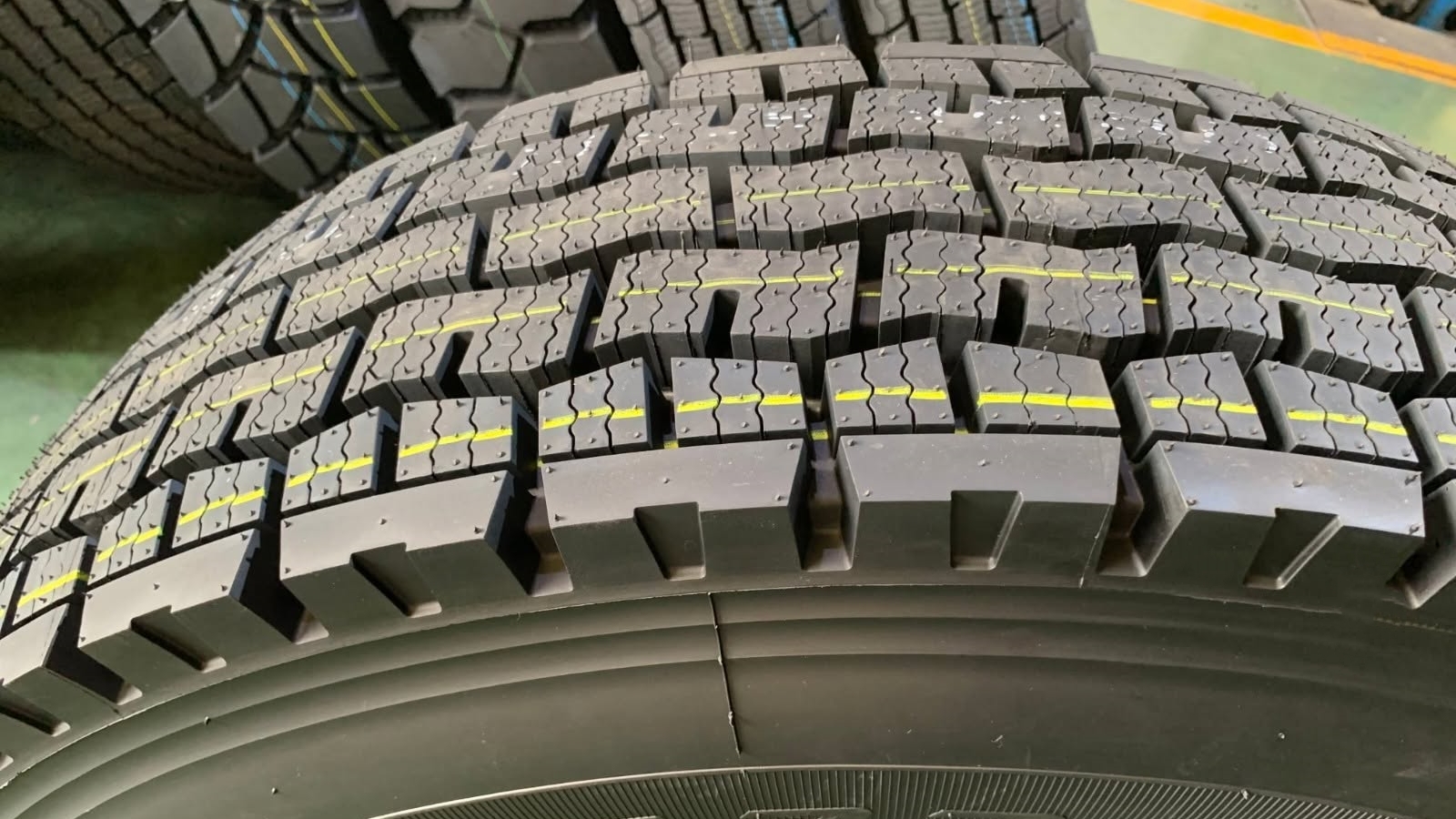
Drying speed is its biggest advantage. When applied to the surface of the extruded tire tread rubber strip, it dries completely before being transported to the surface of the cold water tank. Soaking in water will not cause smudging or color loss. Firmly adhered to the surface of the rubber, the marking color is bright and uniform after the vulcanization process, without whitening or falling off. The finished product identification is clear, and sorting is not easy to mix materials, reducing many errors.
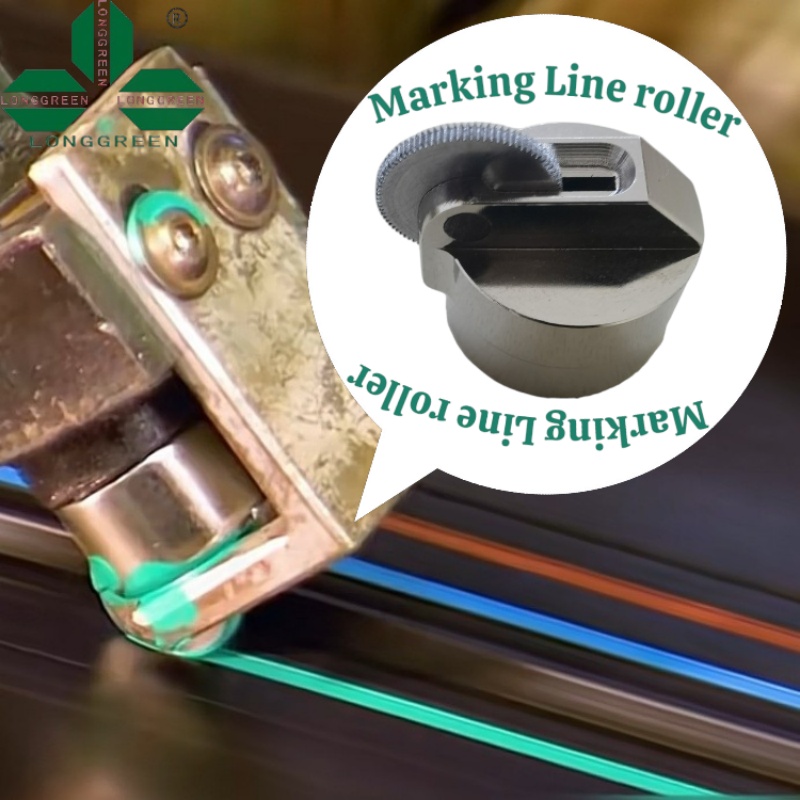
Easy to operate and convenient, it can be used directly by opening the lid without the need for additional dilution with water. Simply shake or stir evenly before starting work, roller coating machines and quantitative spraying equipment can be used in combination. It is recommended to take a small amount of samples for trial production on the machine before production, and adjust the extrusion line parameters to achieve the best marking effect. We can also customize and adjust according to the actual situation of the factory production line.
The product has stable performance in all aspects, with a density of approximately 1.25g/cm ³ at 20 ℃ and a pH range of 7.0-10.5. It can be mixed with water at any time, and the cleaning equipment can be cleaned with only clean water without the need to purchase additional cleaning agents, saving on consumable expenses.
The packaging specifications are complete, including 1kg, 10kg, and 20kg plastic drums, suitable for small sample orders and large batch stocking. It does not belong to hazardous chemicals and can be shipped through regular logistics without going through hazardous chemical transportation channels, which can save a lot of transportation costs in the long run.
The storage conditions are also well controlled. The lid of the bucket should be tightened and placed in a cool and dry area. The ambient temperature should be maintained between 5 ℃ and 35 ℃, and it must not freeze. The original sealed bucket has a shelf life of 12 months when stored at room temperature, and each bucket is printed with the production date, making warehouse inventory management very convenient.
As long as it is a tire factory or various rubber processing plants, the extrusion process requires stable and clear tread markings, and 1510 water-based marking fluid is absolutely suitable. There is no need to repeatedly adjust the dilution ratio, no need to worry about fading or sulfurization of the label after soaking in water, no need to worry about environmental protection, transportation, and warehousing. The production line has fewer defective products, and sorting efficiency can also be improved. Long term use can save various hidden expenses such as labor, consumables, and logistics.