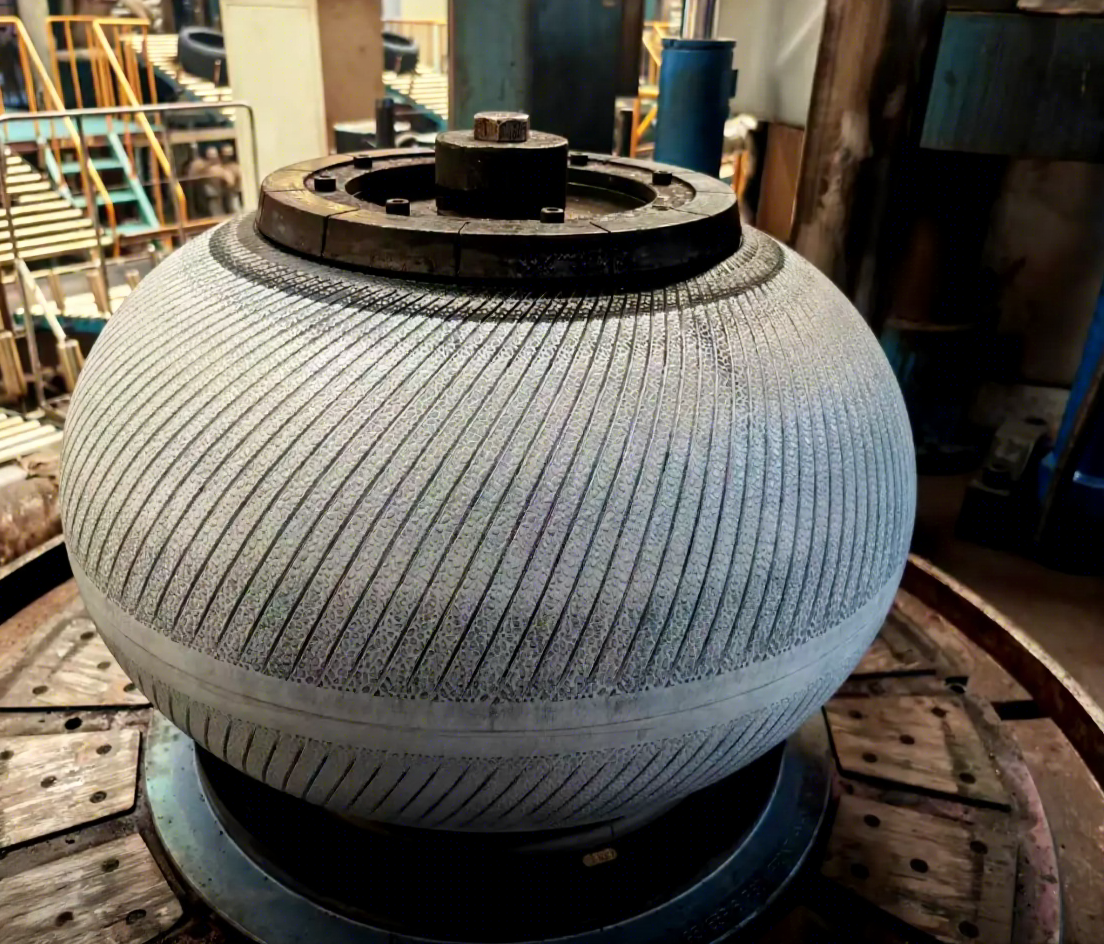

Tire capsules are the "soft molds" used in vulcanizing machines to shape the interior of tires. After the raw tire is ready, it is placed in a vulcanizing machine for heating and pressurization. The capsule is inflated and bulged, and the raw tire is pressed against the inner wall of the metal mold, so that the tire size and pattern can be accurate.
The key issue is that the rubber of the airtight layer of the raw tire has high viscosity. When vulcanized at a high temperature of over 100 degrees Celsius and a high pressure of more than ten megapascals, its viscosity is comparable to glue and it is very easy to stick to the capsule. Release agent is the "isolation oil" between the two, separating the rubber and the capsule, allowing the vulcanized tire to fall off smoothly.
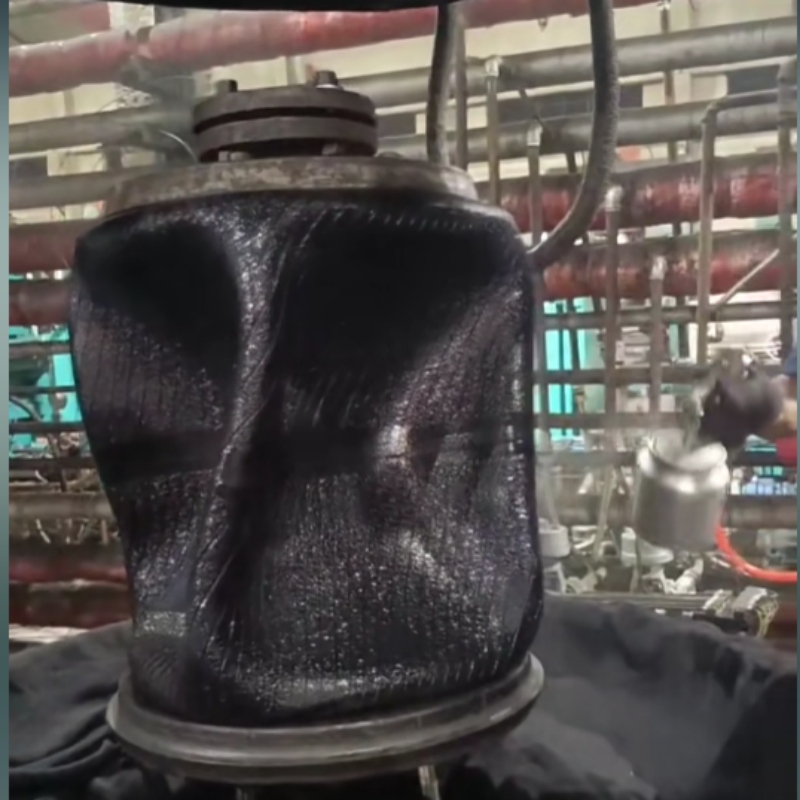
There are always newcomers arguing that with the upgrade of rubber formula, many factories no longer use mold release agents. Why do capsule release agents still need to be sprayed? This is layman's language. The mold is made of metal, with a smooth surface and non stick tread rubber and metal. After optimizing the formula, it is indeed possible to use no mold release agent. But the capsule is made of rubber, which is the same as raw tire rubber. Under high temperature and pressure, molecules are prone to interpenetration and adhesion, which is a material problem that cannot be solved by changing the formula.
Tell me a true story from the factory. Previously, a workshop director reduced the release agent by half to meet the cost target, but later decided not to spray it at all. In just three days, the workshop was in chaos, and the vulcanized tires were most likely stuck to the capsules and couldn't be removed. The worker used a pry bar to pry, but with a little force, the tire's airtight layer was torn off and scrapped directly; Even if you pry it off, the capsule will still be torn and unusable. Just replacing the capsule would result in a significant loss.
In addition to sticking tires and waste capsules, there are also hidden dangers. Forcefully prying the tire can cause uneven internal stress and dimensional deviation, making it prone to deviation and high-speed tire blowouts when running on the vehicle. This is a major safety issue. And dealing with stuck tires requires stopping the machine for cleaning. Normally, we can produce a tire in one minute, but cleaning it once takes more than 40 minutes. The production efficiency drops directly, and this is a huge loss.
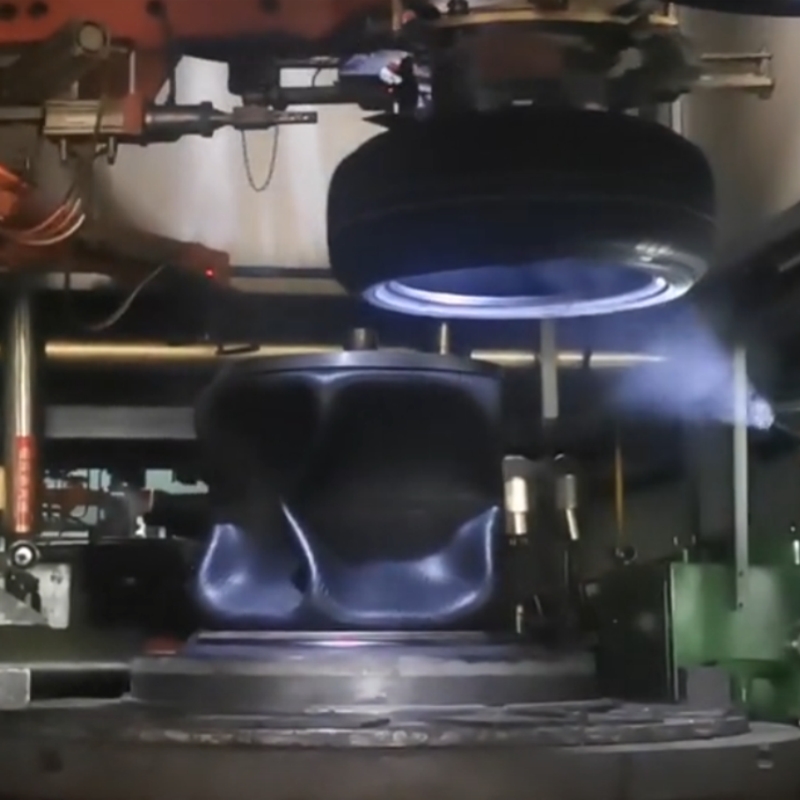
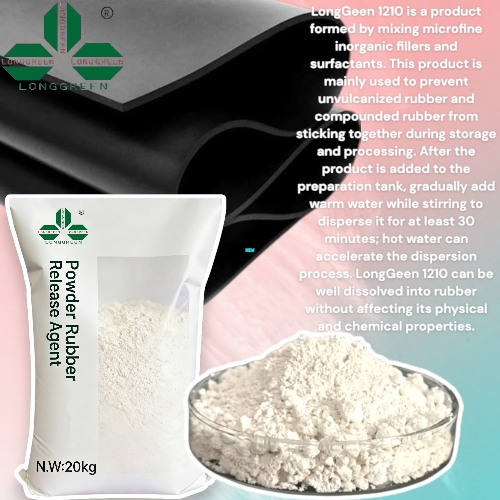
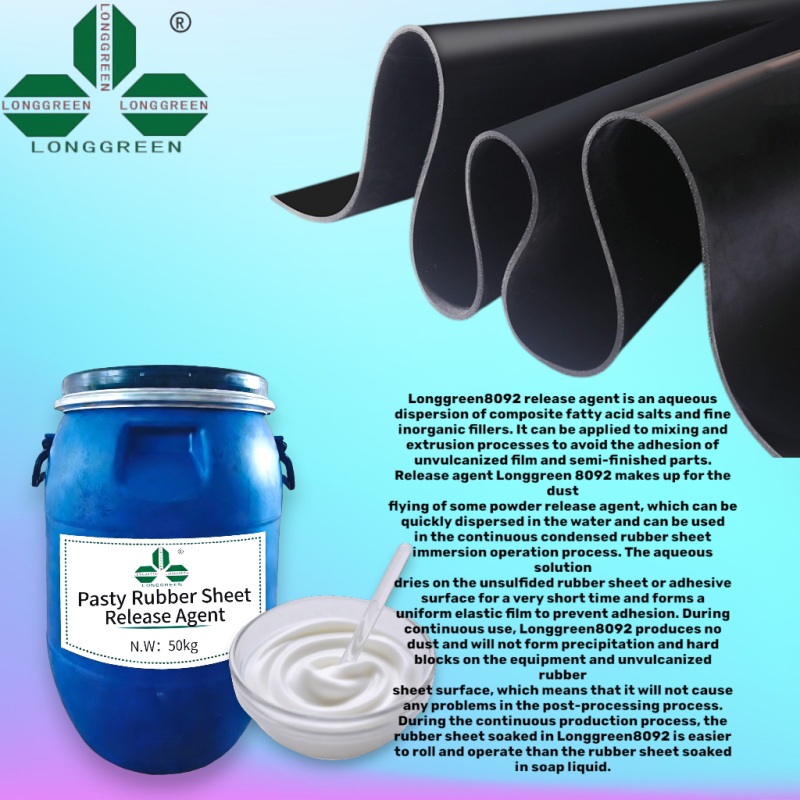
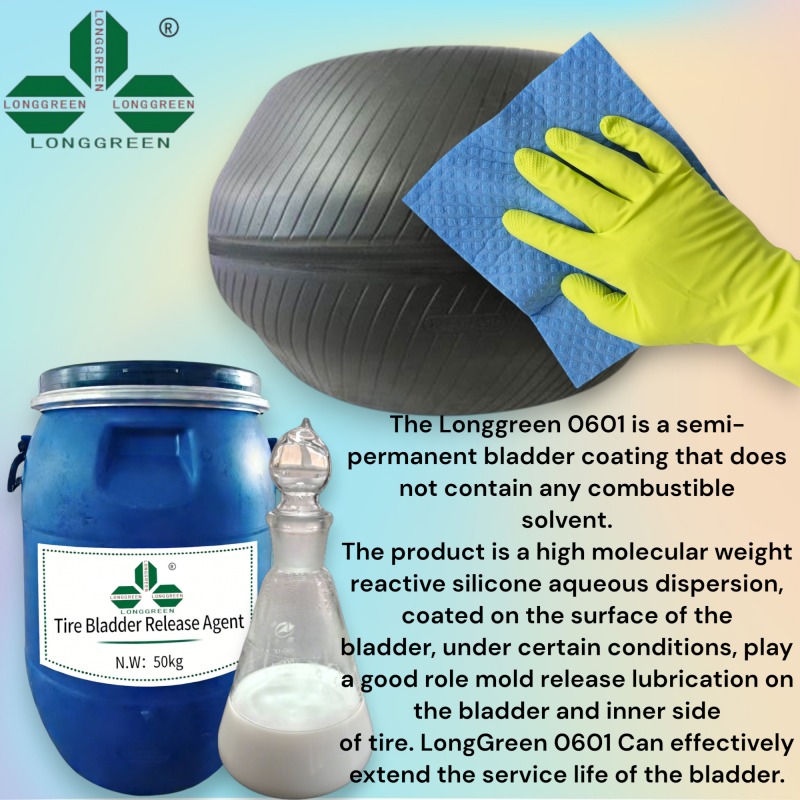
Someone always asks me, can I spray less release agent? It's not impossible, but there must be a sense of propriety in this matter and we can't act recklessly. Our factory is now using water-based release agents, the core of which is polymer silicone lotion. When spraying this thing, the most important thing is to be even, and it can't be missed or sprayed too much. Leakage of spray will stick to the tire, and all previous efforts will be in vain; Spraying too much can seep into the tire and affect the sealing of the airtight layer, which is not a small matter. Our factory's old rule is to spray a layer of new capsules evenly before use, dry them thoroughly before applying them to the vulcanizing machine, and then spray them every fifty tires, which is just right.
Many friends are worried that release agents may affect tire quality, but there is no need to worry blindly. We have chosen a legitimate release agent that meets industry standards, has a thin film formation, and does not react chemically with rubber. After vulcanization, most of the release agent will shrink and fall off with the capsule, and a small amount of residue will not affect the core performance of tire wear resistance and airtightness. Never buy inferior release agents. The ingredients are mixed and not only do they exceed the standard residue, but they also damage the bonding of the adhesive material. The products produced are all defective.
Let me give you a real account. A bottle of qualified release agent costs tens of yuan and can spray seven to eight hundred tires, with each tire costing only a few cents. But saving these few cents, scrapping a tire costs only a few hundred yuan, a capsule is cheap for hundreds, expensive for thousands, plus downtime losses, losing thousands of yuan a day is common. The factory has calculated that saving money on mold release agents is not enough to make up for one tenth of the loss, and it is simply not worth the loss.
Not all situations require spraying, such as small batch test tires and customized tires, which require special treatment of the capsules to reduce the use of release agents, but cannot be completely omitted. Moreover, the cost of special treatment is much higher than using release agents, and mass production is simply not feasible. There is no need to tinker around.
After working for so many years, I have come to understand that every process and auxiliary material in industrial production has its own purpose and cannot be easily saved. To reduce costs, one must find the right place, optimize processes, and reduce waste. Capsule release agents are related to quality and efficiency, and cannot be saved.
Tires are related to driving safety, and every process must be carried out according to standards, without cutting corners. I also advise friends who have just entered the industry not to think about saving on mold release agents, but to follow the process solidly, which not only ensures quality but also reduces losses. This is the most cost-effective and the rule we should follow in this industry.