








When summer breezes sweep across the North American continent and red, white and blue American flags flutter in the wind, brilliant fireworks light up the summer night sky every July 4th. As the most grand federal statutory holiday in the United States, Independence Day is widely regarded as the “birthday of America”. Behind the nationwide parades, family barbecues and carnival celebrations lies a remarkable history of breaking colonial shackles and pursuing freedom and self-governance.
The origin of Independence Day dates back to the fierce conflicts between the 13 North American colonies and Great Britain in the 18th century. For a long time, these coastal colonies were under the rule of the British Empire. The British royal family imposed heavy taxes, controlled cross-border trade and deprived local residents of basic rights of self-governance. The Boston Tea Party ignited the anti-colonial movement. Suffering from unfair taxation without political representation, colonial people launched widespread resistance, which completely broke the diplomatic balance between the colonies and Britain. This conflict ultimately paved the way for the first Independence Day.
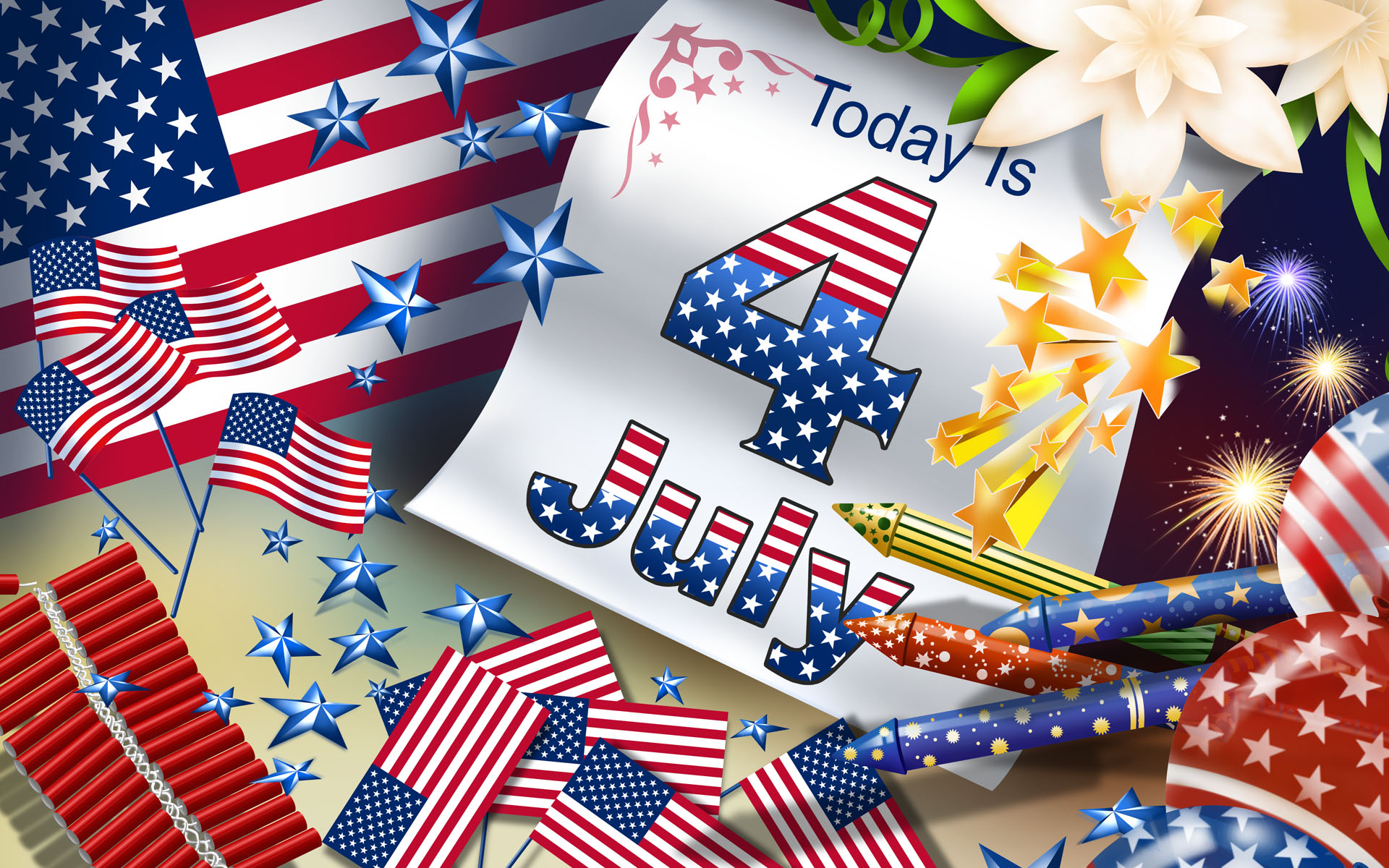
The year 1776 marked a turning point in American history. On July 2nd, the Second Continental Congress voted formally to declare separation from British rule. Two days later, on July 4th, the congress officially adopted the Declaration of Independence drafted mainly by Thomas Jefferson. This landmark document publicly proclaimed that the thirteen North American colonies were independent from Great Britain and formed a new sovereign country, the United States of America. The most famous sentence in the document has become the core national creed of the United States: “We hold these truths to be self-evident, that all men are created equal, that they are endowed by their Creator with certain unalienable Rights, that among these are Life, Liberty and the pursuit of Happiness.” Since then, July 4th has been designated as American Independence Day permanently.
After more than two centuries of inheritance, this solemn national founding anniversary has evolved into a national civilian carnival with complete traditional customs. On the morning of Independence Day, local governments and communities hold traditional national parades. Dressed in red, white and blue costumes, Americans march along streets with national flags, while marching bands play patriotic music to create a solemn and festive atmosphere. Family gatherings, outdoor barbecues and park picnics are the most popular Independence Day holiday activities. Hot dogs, grilled meat and homemade desserts have become classic festival food. Most Americans put aside their work to spend quality leisure time with their families. In Philadelphia, the birthplace of American independence, locals ring the historic Liberty Bell to memorize the pioneers who fought for national independence.
Firework shows are the most iconic part of Independence Day celebrations at night. Grand public fireworks displays are held in major cities like New York, while small-scale Independence Day firework performances take place in towns and lakeside parks all over the country. Colorful fireworks bloom in the dark summer sky, conveying people’s respect for the founding of the nation and their wishes for a stable and free life. Regardless of social status, occupation and nationality, people immerse themselves in the national celebration, which greatly strengthens national identity and national cohesion.
Nevertheless, we should view this Independence Day holiday objectively with a historical perspective. Behind the joyful carnival and gorgeous fireworks lie the inherent historical limitations of this country. Although the Declaration of Independence advocates equality for all men, it tolerated slavery at the very beginning. African Americans and indigenous natives were excluded from those so-called unalienable human rights for a long time. Moreover, the United States, which was founded on fighting against colonial oppression, later embarked on the road of foreign expansion and hegemony. For hundreds of years, disadvantaged groups and ethnic minorities have kept fighting for genuine equality, gradually perfecting the nation’s original pursuit of fairness. For modern Americans, Independence Day is no longer merely a day for celebration, but also a chance to reflect on the nation’s founding original aspiration and pursue social inclusiveness.
From the turbulent War of Independence to a prosperous modern society, from a solemn declaration of freedom to a popular summer carnival, the connotation of July 4th has been evolving constantly. It originated as a spiritual symbol of resisting unfair colonial rule and defending national sovereignty. Today, it mainly serves as a spiritual bond to unite the whole nation and reminds people that hard-won national freedom deserves eternal cherishment.
Fireworks fade away and carnivals come to an end eventually. However, the pursuit of freedom, equality and autonomy is the common aspiration of all human beings beyond national boundaries. American Independence Day conveys a universal value: the pursuit of a better life and the resistance against injustice are eternal pursuits for all mankind.