
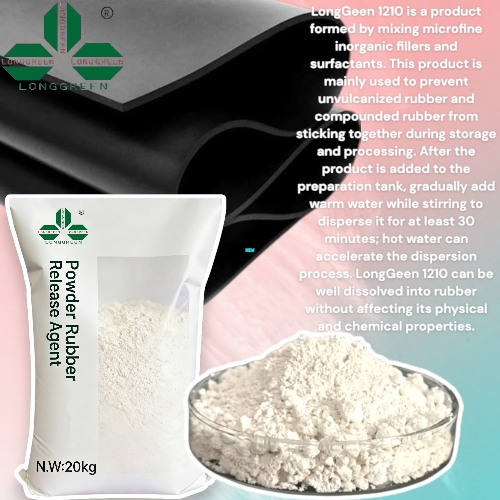
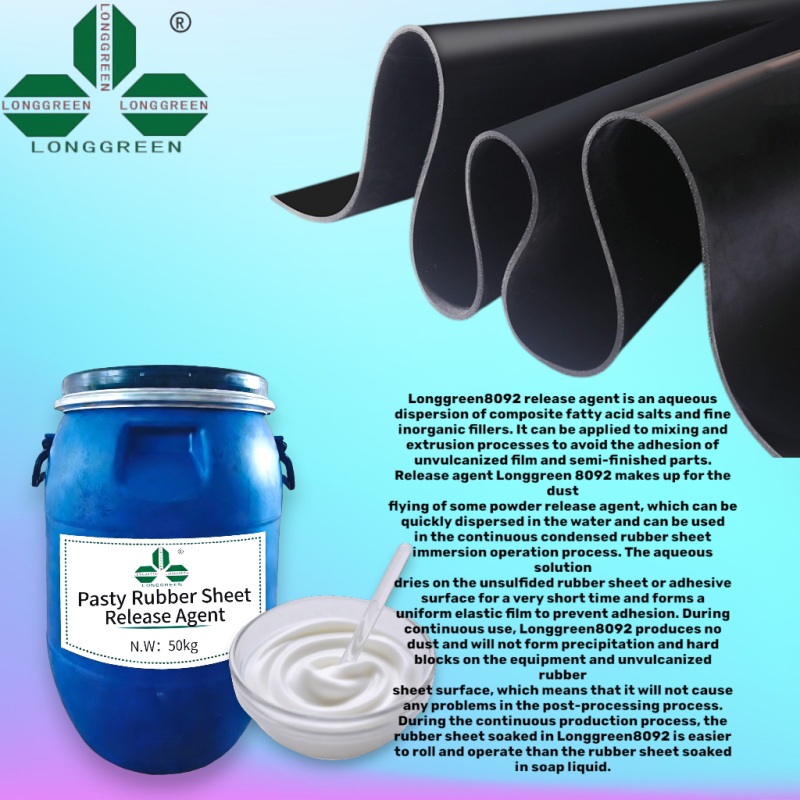
The earliest use was powder isolation agent. Dust was floating everywhere in the feeding workshop, causing workers to choke while working. The equipment on the ground was covered in white dust, and they had to stop work every few days for a thorough cleaning. Powder is also prone to moisture absorption and clumping, and cannot be stirred in water for half a day. The surface of the film soaked in glue is bumpy and uneven, and it sticks together after a period of time. When torn, it is directly torn apart, wasting a lot of glue material and increasing the cost invisibly.
Later, I tried many liquid isolation agents on the market, which contained organic silicon and phosphate. At that time, the anti sticking effect seemed to be okay, but when the problems with vulcanization and bonding processes came out. The silicon component remains on the rubber surface, and the rubber cannot stick firmly at all. The finished product can only be scrapped due to delamination; Impurities accumulate on the film to form hard lumps, and the produced products are full of spots and bubbles, with defective products piled up on the ground. Moreover, this type of isolation agent is less suitable for adhesive materials, and changing the adhesive type requires stopping to adjust the ratio, which delays the production capacity of the entire line.
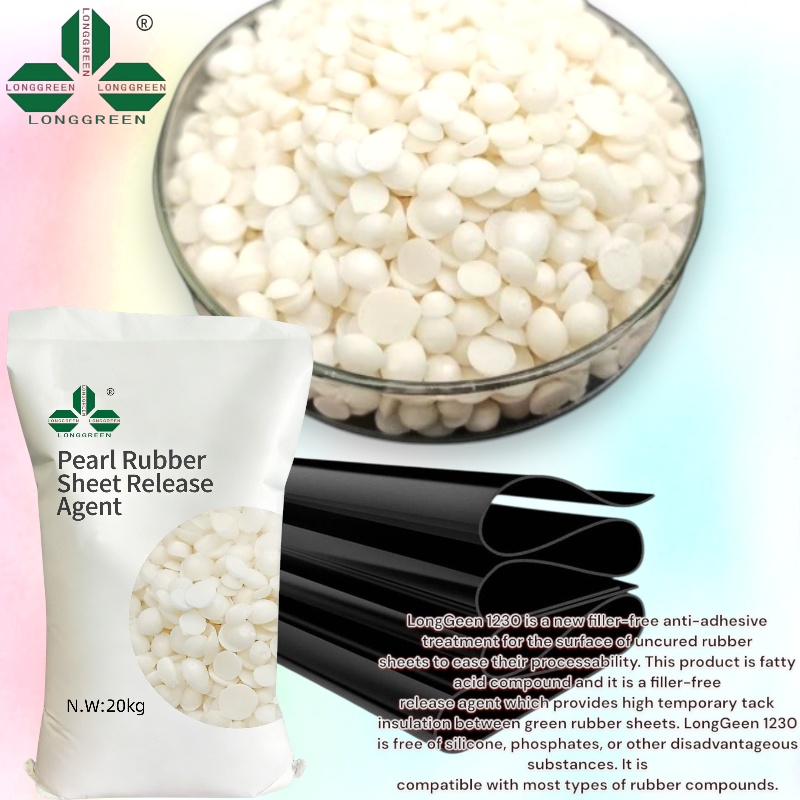
This 1230 particle isolation agent will not have these problems. The raw material is a mixture of fatty acids, without fillers or harmful substances such as silicon and phosphate. Most of the rubber compounds on our market can be used directly without repeatedly changing the formula.
The appearance is small particles with a white to light yellow color, and there is no dust at all when feeding. Weighing and feeding is easy and clean, and the workshop does not need to stop working all the time to clean the dust. Workers work comfortably, and there is no need to worry about environmental inspections. It's also easy to operate. Prepare hot water at 80 to 90 degrees Celsius to break down the particles, then dilute as needed. There are tanks and soaking tanks with heating and stirring in the factory that can be used directly. The normal ratio is controlled at 1% -2%, and can be adjusted slightly according to your own rubber material and workshop environment.
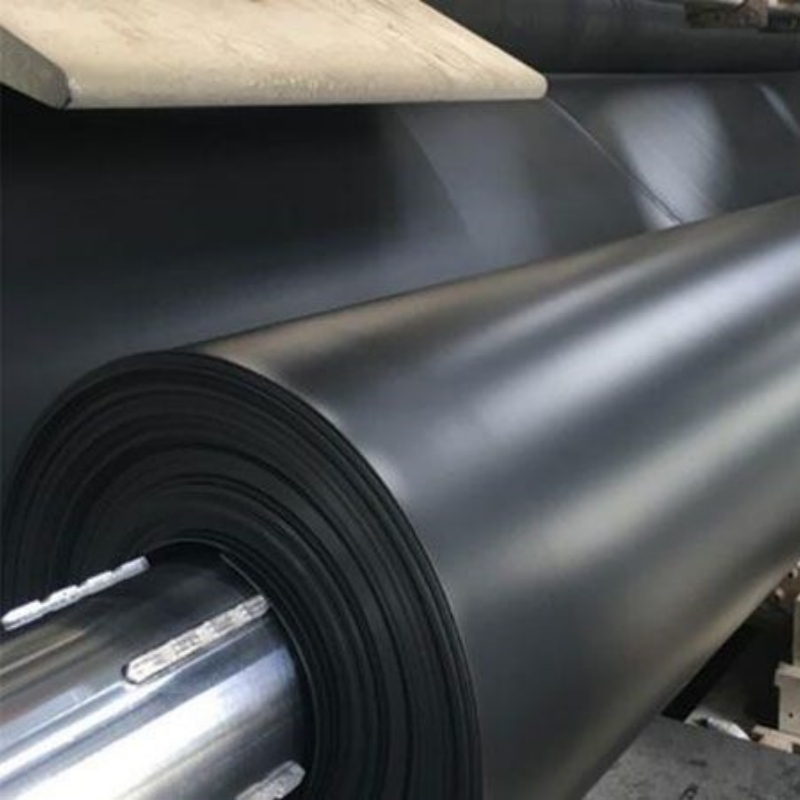
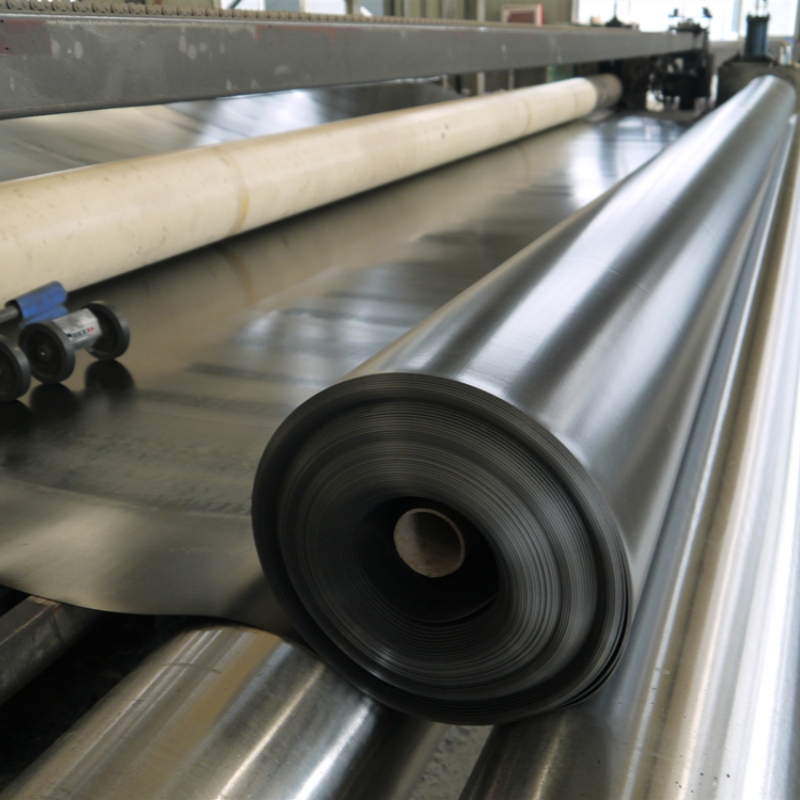
The solution after melting is evenly distributed, and the soaked film will not form hard lumps or impurities. The anti sticking effect is stable, and even if the workshop is hot and humid, the film will not stick together for a long time. Tearing it off completely can reduce the loss of a lot of film. Moreover, it will not remain on the rubber surface and affect subsequent processing. The vulcanization and bonding are not affected, and the surface of the finished product is clean, reducing the number of defective products by half.
Storage is also worry free, with an ambient temperature of 2 to 35 degrees Celsius and stored in a cool and dry place. The original packaging can be stored for a whole year without any problems. There are two types of packaging: 20kg paper bags or 500kg large bags. They are suitable for small-scale trial production and large-scale stockpiling, and are easy to load, unload, and store.
No longer have to deal with the troubles of heavy dust, film adhesion, defective products, and incompatible rubber materials every day. We use 1230 particle isolation agent for mixing film, which can reduce hidden costs such as dust sweeping labor, wasted rubber materials, and rework of defective products. The production line runs smoothly and can save a lot of money and manpower in the long run.