
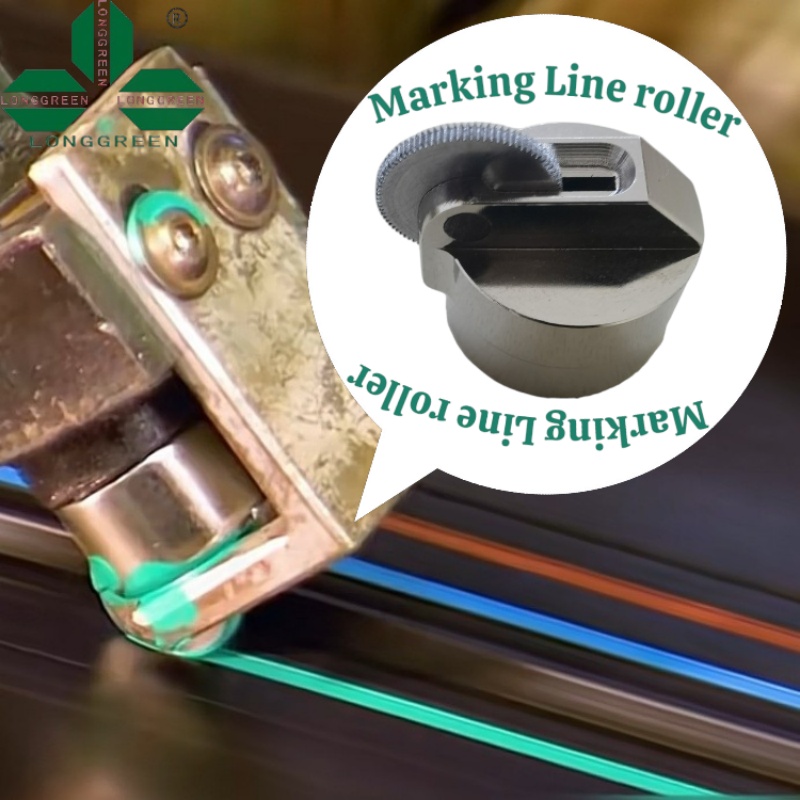
In the factory, semi-finished tires made by assembling rubber, steel wire, and curtain fabric are called raw tires. The rubber molecules inside this tire are scattered one by one, without pulling or fixing each other, making it soft to the touch and lacking any resilience.
Sulfurization is the process of placing a raw tire into a mold, adjusting the temperature and pressure, and adding sulfur additives to interweave rubber molecules into a network, resulting in a chemical reaction that can no longer be reduced.
Taking cooking as an example, it's easier for everyone to understand that having a baby is like a dough that hasn't been cooked yet, it's loose and easy to knead a few times before deforming. Vulcanization is like steaming Mantou in a pot. After being shaped at high temperature, the structure is completely fixed. But there is a big difference between the two. Steaming Mantou is only physical ripening, and vulcanization is a solid chemical reaction. After setting, it can never return to the soft rubber state.
Many people may wonder, can't raw rubber be directly made into tires? Absolutely not possible. Untreated rubber has poor elasticity and will permanently deform after bearing weight. It will soften and delaminate directly when heated at high speeds, easily tear when encountering stones or sharp objects on the road surface, and age and become sticky after being exposed to sunlight for a period of time. It does not have the safety conditions for driving on the road at all. And sulfur plays the role of a "connector" here. Under high temperature and high pressure conditions, sulfur particles act like small buckles, firmly fastening dispersed rubber molecular chains together and weaving them into a stable network.
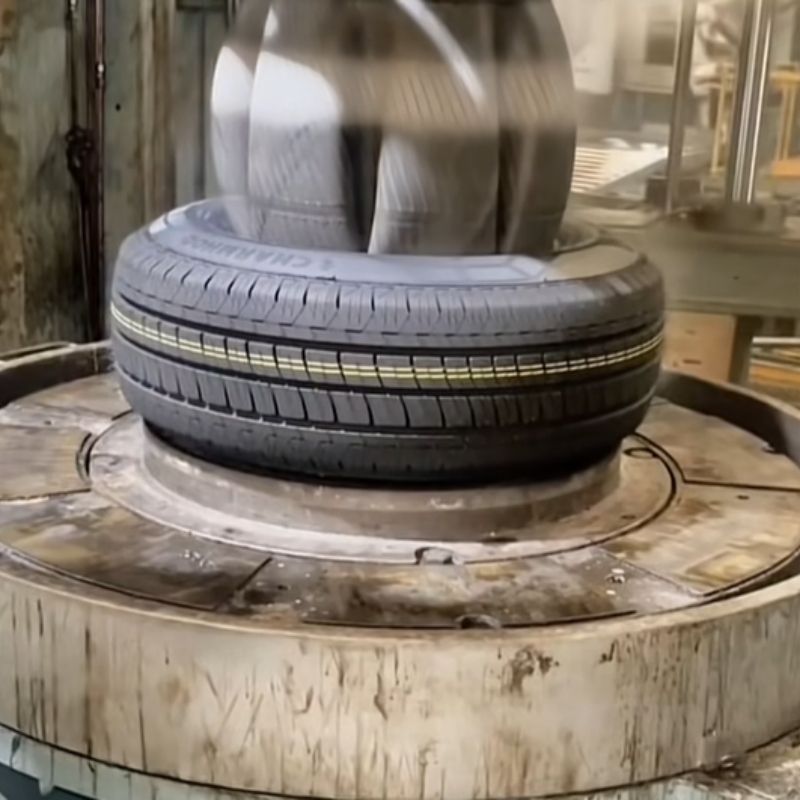
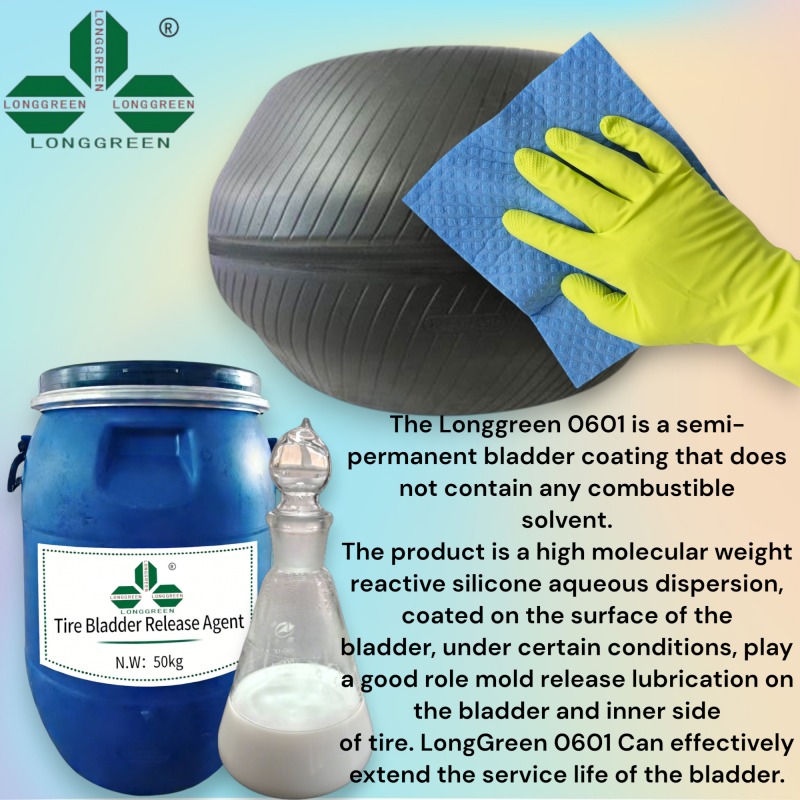
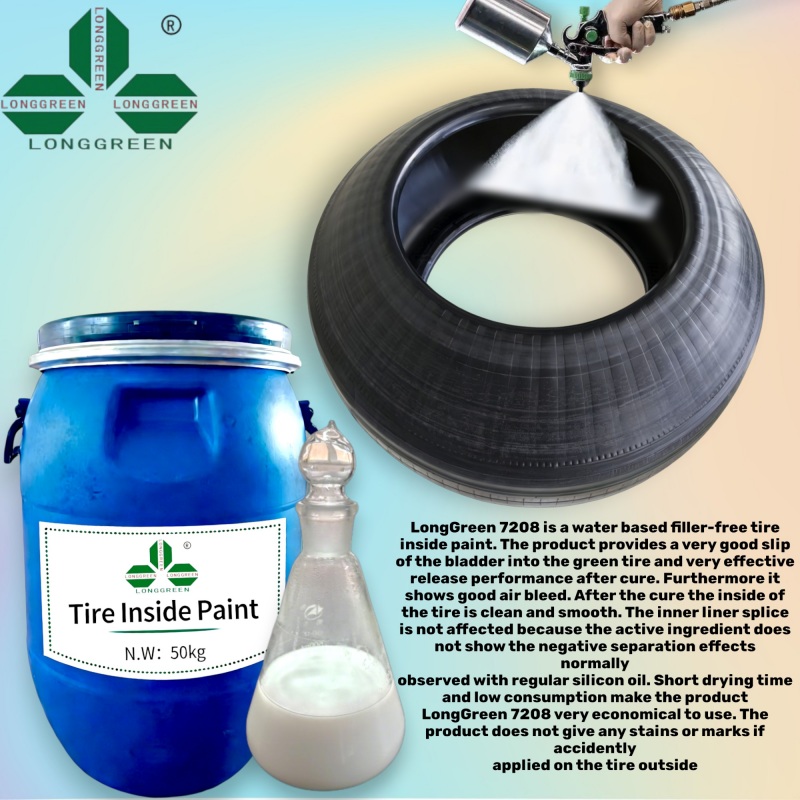
The complete vulcanization process is not complicated, but the parameters of each step cannot be adjusted randomly. The workers first put the spliced and assembled raw tire with the tread pattern layer into a metal mold. The inner wall of the mold is engraved with the complete pattern of the finished tire, and the shaping depends entirely on it. Afterwards, a capsule is inserted into the interior of the tire, and a high-temperature and high-pressure medium is introduced to support the raw tire from the inside out. The external mold synchronously heats and applies pressure to make the raw tire tightly adhere to the inner wall of the mold, so that the pattern can be clearly and completely printed on the tire surface.
There is a saying in the industry that the three elements of vulcanization - temperature, pressure, and time - almost produce defective products. The vulcanization temperature of conventional car tires is maintained at 140 to 180 degrees Celsius, and the pressure is adjusted according to the tire size. The pressure of small passenger car tires is relatively low, and the pressure of heavy-duty truck tires will increase significantly. The vulcanization time ranges from ten to forty minutes.
There are two types of residual situations here, commonly referred to as sulfur deficiency and sulfur excess in the industry. The heating time is short, the temperature is not enough, and the cross-linking reaction is not fully penetrated, which is due to insufficient sulfur. The tire is generally soft, with extremely poor wear resistance. After running for thousands of kilometers, the pattern is worn flat and prone to bulging and delamination; Conversely, if the temperature is too high or heated for too long, it will result in over sulfurization. The rubber molecular chains will be damaged by high temperatures, causing the tires to become hard and brittle, and even slight bumps will cause them to crack. Both types of defective products cannot enter the market.
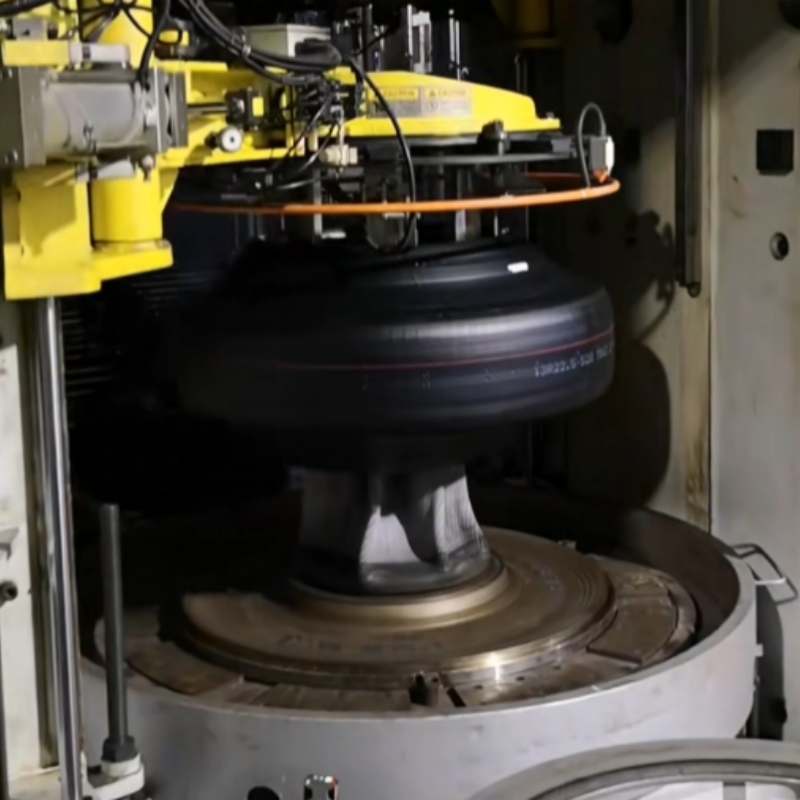
After the timer is over, the equipment automatically releases pressure and cools down. The mold is opened, and a finished tire with clear patterns and moderate hardness is considered to be out of the oven. Compared to the previous soft and flat raw tires, the performance is vastly different. It can cushion road bumps, has sufficient elasticity, and can bear the weight of the vehicle. It is wear-resistant and sun resistant, and its performance will not significantly deteriorate during rainy and high-temperature driving.
Sulfurization also has a key role that is easily overlooked: adhesion. Tires are not formed as a single piece of rubber. The sidewall, tread, steel belt layer, and inner airtight rubber are all processed separately and bonded together. During the raw tire stage, they are only simply bonded together, and gaps are easily separated. After vulcanization crosslinking, the molecules of different rubber materials fuse with each other, and all components are firmly combined into a whole. Long term driving of the vehicle will not cause dangerous faults such as delamination and rubber peeling.
Many people have heard of vulcanization repair when repairing tires, and the principle is consistent with the factory vulcanization of tires. Rubber strips and cold patching can only temporarily block the air leakage point. If the damaged area is large and durable, hot vulcanization is necessary. By heating the tire patch and the original tire body together, the sealing and firmness are much stronger than ordinary tire patches. However, injuries such as sidewall tearing and direct puncture of the tire shoulder, even if repaired by hot vulcanization, are not suitable for high-speed driving.
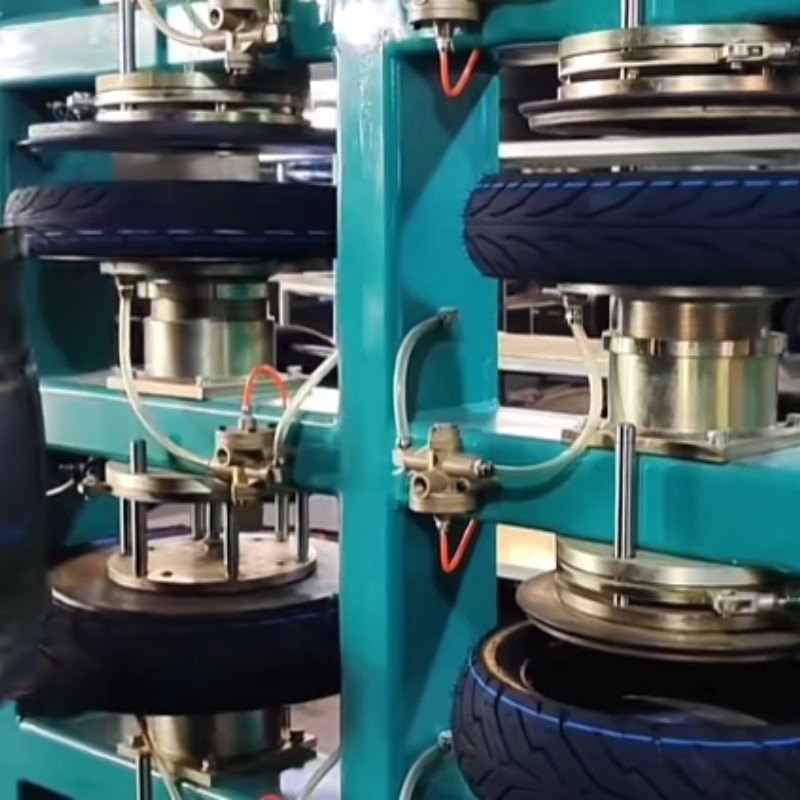
In the past, the old vulcanization machines relied entirely on human monitoring, with temperature and duration judged by the hands of experienced technicians. The quality of tires produced from the same batch varied greatly, and the delivery speed was also slow. Nowadays, the factory has basically fully automated vulcanization units, with real-time control of three core parameters by computers. Each tire vulcanization data is archived, and the defect rate has significantly decreased. In addition, there are new processes such as low-temperature vulcanization and microwave vulcanization, which have lower energy consumption and produce tires with lower rolling resistance, making them more fuel-efficient and durable.
Not only car tires, but also the vast majority of rubber products in daily life cannot do without vulcanization. Not only car tires, but also sports shoe soles, rubber hoses, door seals, and bicycle inner tubes that we wear need to be vulcanized. Untreated raw rubber is particularly soft and can deform easily when pressed, so it won't last long.
Simply put, vulcanization is a process of shaping and reinforcing tires. In high temperature and high pressure environments, rubber molecules combine with each other, and the originally soft and collapsed raw rubber can become wear-resistant and elastic, and the overall structure is also firm.
This process may seem insignificant, but it directly affects the service life of the tires and is the key to driving safety. Next time you go out and drive, look down at the tires on the wheels and you will know that there is such an important processing step behind this small rubber ring.