
In daily life, we come into contact with a wide variety of plastic and rubber products, from soft plastic bags and toys to car tires and rubber hoses. The feel, hardness, and processing difficulty of these products vary, and are actually related to the additives used during processing. Plasticizers and plasticizers are two important types, and many people easily confuse them. In fact, their functions and principles are quite different.
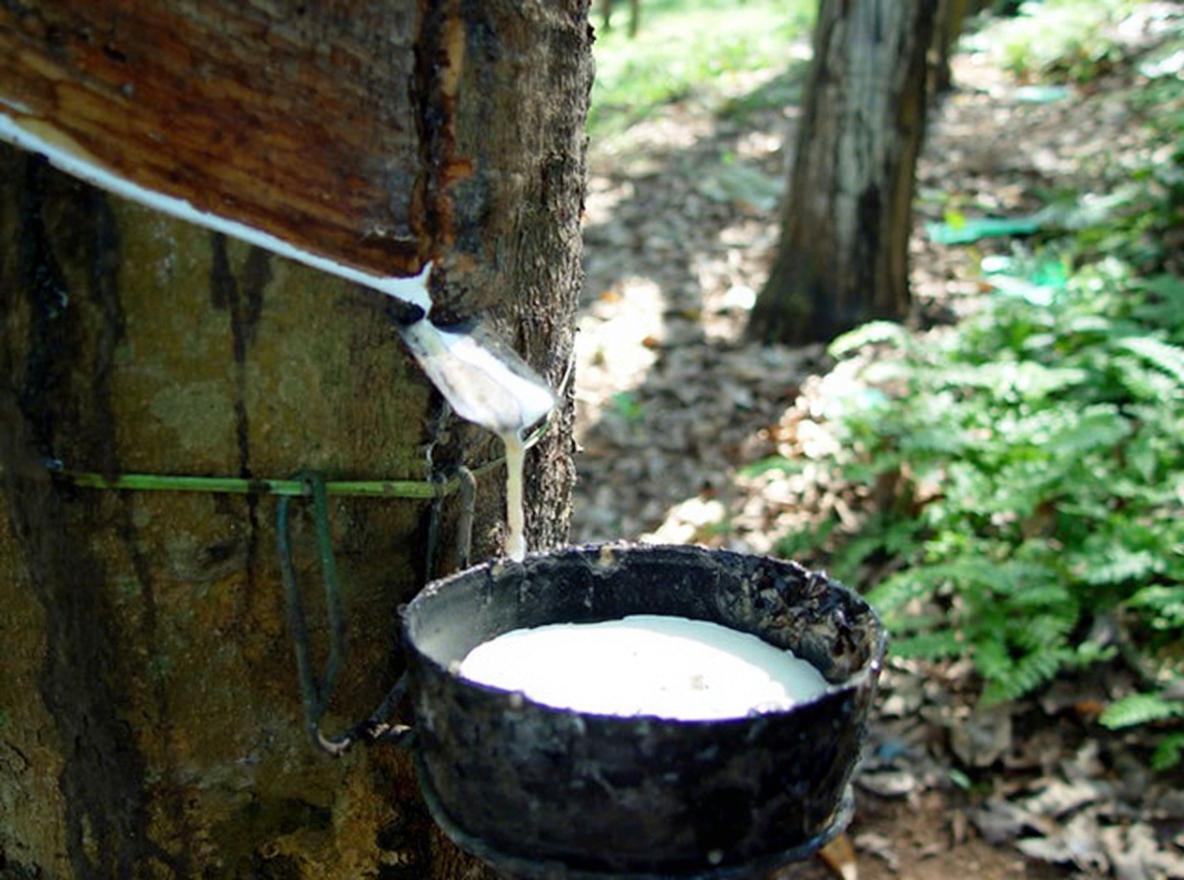
Let's talk about plasticizers first. They are mainly used in rubber processing, especially in the plasticizing process of raw rubber. We all know that the newly obtained raw rubber has extremely long molecular chains that intertwine with each other, making it hard and brittle. It cannot be directly processed into various products, and it must first be made soft and flexible. This process is called plasticizing. The function of plasticizers is to help accelerate the speed of the plasticizing process and improve the plasticizing effect.
Its working principle is actually a chemical reaction. Simply put, plasticizers produce free radicals, which can break the long molecular chains of rubber, turning large molecules into small ones. This reduces entanglement between rubber molecules, improves fluidity, and naturally enhances plasticity. And there is also a key point, the plasticizer can seal the end groups of the broken rubber molecular chains, preventing them from recombining together, so as not to waste time.
The plasticizers that are commonly used in daily life are mostly derivatives of aromatic thiols, such as pentachlorothiophenol, naphthophenol, and some environmentally friendly plasticizers are also gradually being used more and more. Its benefits are obvious. It can greatly shorten the plasticizing time, save energy, and not have a significant impact on the final performance of rubber products without using too much amount. It is also commonly used in the processing of recycled rubber, which can improve the plasticizing effect of recycled rubber.
Speaking of plasticizers, their application range is much wider, they can be used in plastics and rubber, and their principle of action is completely different from that of plasticizers. Plasticizers rely on physical interactions, not chemical reactions. You can imagine the molecular chains of polymer materials as thin ropes, which have strong attraction between them, making the material relatively hard. Plasticizers are like lubricants, their molecules can penetrate into the middle of these molecular chains, increasing the distance between them and weakening their attraction. This allows the molecular chains to slide freely, making the material softer and more flexible.
There are many types of plasticizers, the most common of which are phthalates. However, due to environmental requirements, many environmentally friendly plasticizers, such as citrate esters and epoxy plasticizers, are becoming increasingly popular. Its function is not only to soften materials, but also to improve the processing fluidity of materials, making it easier for plastics and rubber to be processed into various shapes. For example, the PVC cling film, soft toys, and the outer skin of wires and cables that we use are all filled with plasticizers. If no plasticizers are added, PVC material will be particularly hard and brittle, breaking easily when folded, making it impossible to make these soft products.
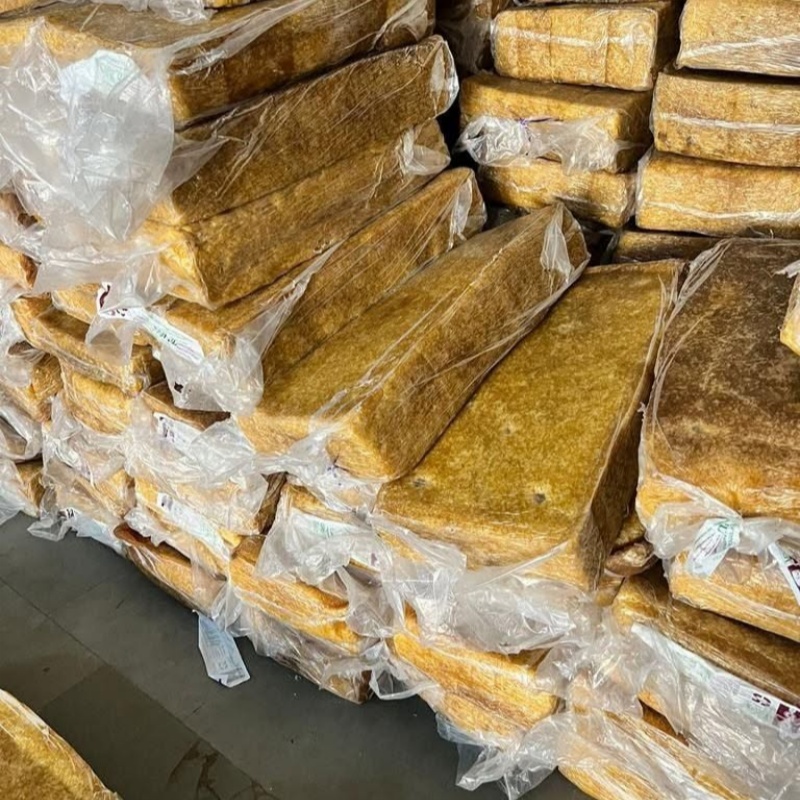
Some people may ask, since they can all make materials flexible, can they replace each other? Actually, it's not possible. Plasticizers mainly target the plasticizing process of rubber, relying on chain breakage to enhance plasticity, and their effect is irreversible. Once the rubber molecular chain breaks, it cannot be restored to its original length; Plasticizers rely on physical filling to soften materials. Sometimes, if plasticizers evaporate or migrate, the material may become harder and brittle again. In addition, plasticizers are mainly used in the early stage of rubber processing, while plasticizers can be added throughout the entire processing process and directly affect the final performance of the product.
Another thing to note is that both plasticizers and plasticizers should be used in controlled amounts. Excessive addition of plasticizers can cause severe breakage of rubber molecular chains, resulting in a decrease in the strength of the product; Adding too much plasticizer can make the material too soft and prone to oiling and sticking, affecting its effectiveness. Moreover, with the increasing demand for environmental protection, when choosing additives, it is necessary to consider whether they meet environmental standards and avoid using types that are harmful to human health and the environment.
To put it simply, plasticizers are like shortening rubber molecular chains, using chemical reactions to make rubber easier to process; Plasticizers are like adding lubricants to polymer materials, making them soft and flexible through physical action. Although the names all contain the word 'plastic', their working principles and uses are completely different. It is precisely because of these additives that we can use various plastics and rubber products with different properties, making our lives more convenient.