
Anti-sticking agents Material adhesion has long been a stubborn issue across industrial manufacturing. It drags down production efficiency, compromises finished product quality, and even shortens the overall service life of processing equipment. Uncontrolled sticking—whether between raw materials or between workpieces and machinery—often leads to unexpected downtime, frequent product defects and unnecessary operational costs. Anti-sticking additives serve as a practical functional auxiliary to solve these headaches. They alter surface characteristics and adjust interfacial tension to effectively curb unwanted adhesion. To pick a suitable anti-sticking agent, factory technicians and researchers need to fully understand its classification, core strengths, applicable scenarios and relevant industrial regulations. This paper summarizes mainstream industrial anti-sticking products, analyzes their pros and cons, and discusses emerging development trends, aiming to offer clear references for frontline industrial practitioners.
Classification and Core Performance Metrics
Anti-sticking agents,There is a wide range of anti-sticking agents available for industrial use. Based on chemical composition and working principles, these products can be sorted into five core categories: silicone-based, wax-based, fluorine-based, inorganic powder-based and fatty acid amide-based solutions. Each type boasts unique traits and is developed to fit specific manufacturing environments. When evaluating these additives, professionals typically focus on five key benchmarks: anti-adhesion capacity, thermal stability, chemical inertness, substrate compatibility and environmental safety.
1. Silicone-Based Anti-Sticking Agents
Anti-sticking agents Silicone additives are among the most widely adopted anti-sticking materials thanks to their reliable thermal tolerance, ultra-low friction coefficient and great adaptability with diverse substrates. With polydimethylsiloxane and other silicone polymers as the primary ingredient, these agents form a thin, smooth hydrophobic film on material surfaces to weaken interfacial adhesion. Manufacturers can either blend them directly into resin materials or spray them as an outer coating. The formula works perfectly with plastics, rubber, metal parts and textile materials without undermining the base material’s original mechanical properties. Additionally, it can resist corrosion from most common acids, alkalis and industrial solvents. The only downside is that unmodified silicone products bond poorly with polar surfaces, which calls for targeted functional group modification for special usage.
Common use cases include release coatings for plastic films, anti-stick treatment for production molds, lubrication for automotive rubber accessories and surface optimization for medical devices. For PE and PP film manufacturing, silicone additives stop film layers from sticking together during the winding process while preserving the material’s original transparency.
2. Wax-Based Anti-Sticking Agents
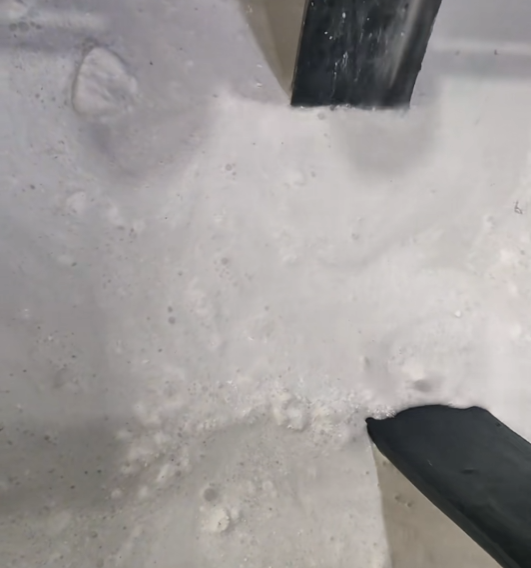
Anti-sticking agents For regular industrial production with budget constraints, wax-based anti-sticking agents are the most cost-effective option. They are manufactured from either natural waxes such as carnauba wax and beeswax, or synthetic alternatives including polyethylene and polypropylene wax. The wax component gradually migrates to the material’s outer surface and forms a protective lubricating layer, cutting down friction and preventing adhesion. These additives disperse easily in molten polymers, making them ideal for large-scale plastic and rubber mass production.
Synthetic waxes with a melting point between 100℃ and 130℃ are frequently added to plastic raw materials to boost fluidity during molding and simplify mold demolding. Natural waxes are more popular in food packaging production due to their superior safety profile. Even so, wax-based products have an obvious limitation: they start to decompose at temperatures above 150℃, so they cannot be used in high-temperature processing scenarios. In rubber processing, workers utilize these agents to create a surface protective film and prevent unvulcanized rubber compounds from sticking to themselves during storage and calendering.
3. Fluorine-Based Anti-Sticking Agents
Anti-sticking agents Fluorine-based formulas represent high-end Anti-sticking agents materials designed for harsh and extreme working conditions, mainly formulated with PTFE and PFA. This type of additive delivers the lowest friction coefficient among all industrial options at roughly 0.08. It maintains stable performance under 260℃ and shows strong resistance against all kinds of corrosive chemicals. It is primarily applied in high-precision sectors, including non-stick cookware coatings, customized precision molds and aerospace component lubrication. In particular, PTFE-based coatings can endure long-term high-temperature exposure and repeated friction, making them a staple for household cookware.
Two major bottlenecks restrict its widespread adoption: excessive production costs and growing environmental concerns. Traditional PFAS-based fluorine materials are known as persistent “forever chemicals”, which fail to meet increasingly stringent global environmental policies. At present, the whole industry is actively developing PFAS-free alternatives to comply with REACH regulations and relevant U.S. federal environmental standards.
4. Inorganic Powder-Based Anti-Sticking Agents
Anti-sticking agents Inorganic powder additives mainly take silica, talcum powder and diatomaceous earth as core raw materials. Instead of forming an organic lubricating film, they create tiny micro-protrusions on the material surface to reduce direct contact area and eliminate vacuum adhesion. Different from organic anti-sticking agents, inorganic powder will not migrate or precipitate inside base materials. This feature ensures long-term stable performance and effectively avoids product contamination issues.
Hydrophobic modified silica is the preferred additive for high-transparency BOPP and PE films; it improves film opening performance while keeping the haze value below 5%. Manufacturers usually control particle size between 1 to 5 micrometers for the best usage effect. Talc powder additives can strengthen plastic rigidity, yet operators have to strictly regulate the dosage within 0.1% to 0.5%, as excessive addition will weaken the material’s toughness.
5. Fatty Acid Amide-Based Anti-Sticking Agents
Anti-sticking agents Fatty acid amide products like oleamide and erucamide are ubiquitous in plastic film and packaging manufacturing. These additives quickly migrate to the material’s surface to lower both static and dynamic friction. Oleamide boasts a lower cost, suitable for scenarios that require instant anti-sticking performance for PE films. Erucamide features better thermal stability, tailored for high-speed BOPP packaging assembly lines.
Anti-sticking agents To achieve even distribution across raw materials, factories generally add these agents in the form of masterbatches with a proportion of 0.1% to 0.15%. It is worth noting that excessive precipitation will interfere with subsequent printing and heat-sealing procedures. Hence, workers need to select appropriate products and control dosages carefully based on actual production needs.
Key Selection Criteria for Anti-Sticking Agents
There is no one-size-fits-all anti-sticking solution. To make a reasonable selection, manufacturers need to consider four core factors comprehensively.
1. Substrate Compatibility
The selected additive must match the chemical properties of base materials. Silicone agents work well with most plastics and rubber but are incompatible with polar PVC materials. Fluorine-based products fit high-temperature resistant substrates, yet they are not recommended for polymers with low melting points. Conducting small-scale compatibility tests in advance can effectively prevent common defects such as material cracking, discoloration and performance degradation.
2. Processing Condition Adaptability
Production processes vary greatly across sectors. High-temperature operations like injection molding and hot rolling demand heat-resistant silicone or fluorine additives. For high-speed BOPP packaging lines running at 500 to 800 cycles per minute, erucamide is always the optimal choice. Besides, factories should also decide whether to add the additive during material mixing or apply surface coating, to align with existing production workflows and cut extra transformation costs.
3. Practical Performance Requirements
Performance standards depend on end-use demands. Regular packaging products only need cost-efficient wax or fatty acid amide agents; products serving extreme environments require modified silicone or fluorine-based high-performance formulas. The industry has unified evaluation indicators: the blocking force of packaging films should stay below 100 g/cm² in accordance with ASTM D 3354 standards, while the ideal friction coefficient ranges from 0.4–0.6 for static friction and 0.2–0.4 for kinetic friction.
4. Environmental and Regulatory Compliance
Safety compliance is non-negotiable for products contacting food or medicine. Anti-sticking additives used in these fields must meet FDA and GB 4806.1-2016 safety standards with low molecular migration. For products sold globally, manufacturers also need to follow REACH and EPA regulations, especially when choosing newly developed PFAS-free fluorine additives.
Industrial Application Cases
A well-matched Anti-sticking agents can noticeably boost production efficiency and upgrade finished product quality across multiple industries.
1. Plastic Film Manufacturing
The plastic film industry consumes the largest volume of anti-sticking agents worldwide. Most producers mix oleamide and silica together for PE films to balance instant anti-sticking effects and long-term stability. Erucamide is still the dominant anti-sticking material for high-speed BOPP packaging production. Modified silica additives see extensive adoption across optical film products; they can keep product haze under 5% while preserving superior transparency with no compromise on visual performance.
2. Mold Manufacturing Sector
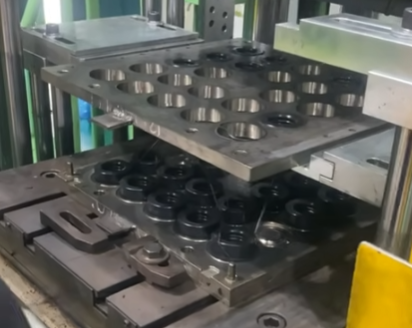
Silicone and fluorine-based additives are the go-to materials for high-temperature die-casting molds in the industry. Take PTFE functional coatings for non-stick cookware as an example. The coatings can operate steadily at a constant temperature of 260℃, and can withstand over 20,000 rounds of steel wool friction without any decline in core performance.
3. Rubber Processing Industry
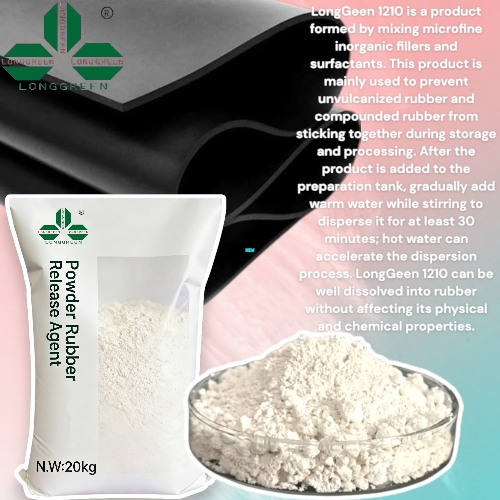
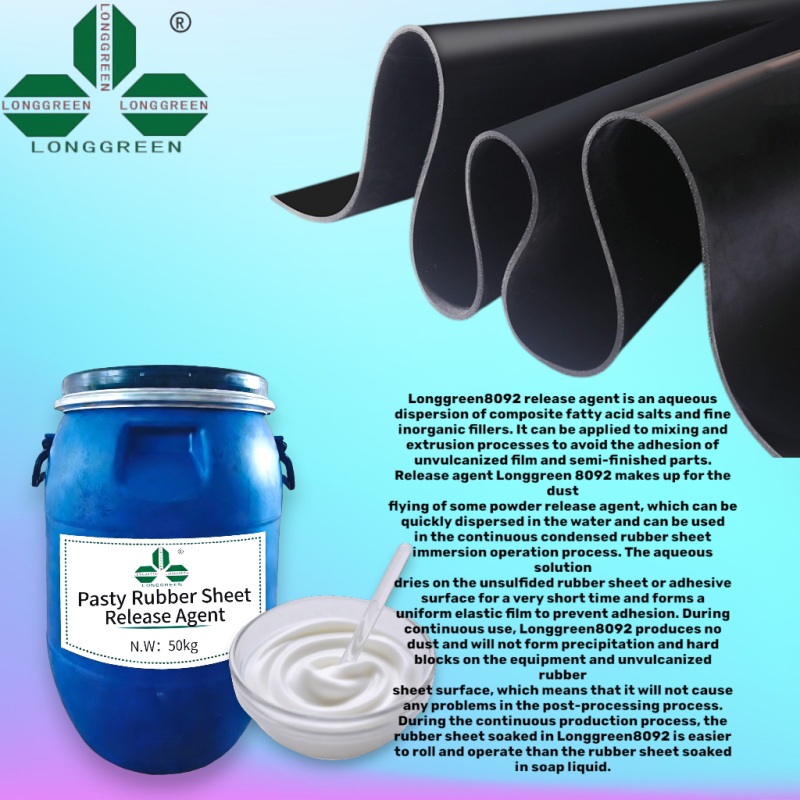
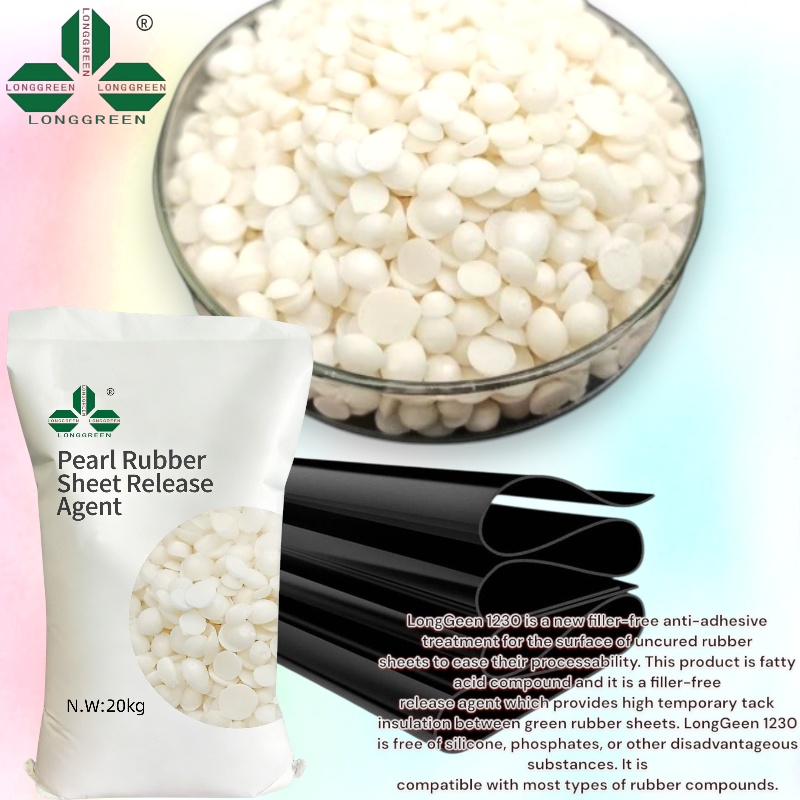
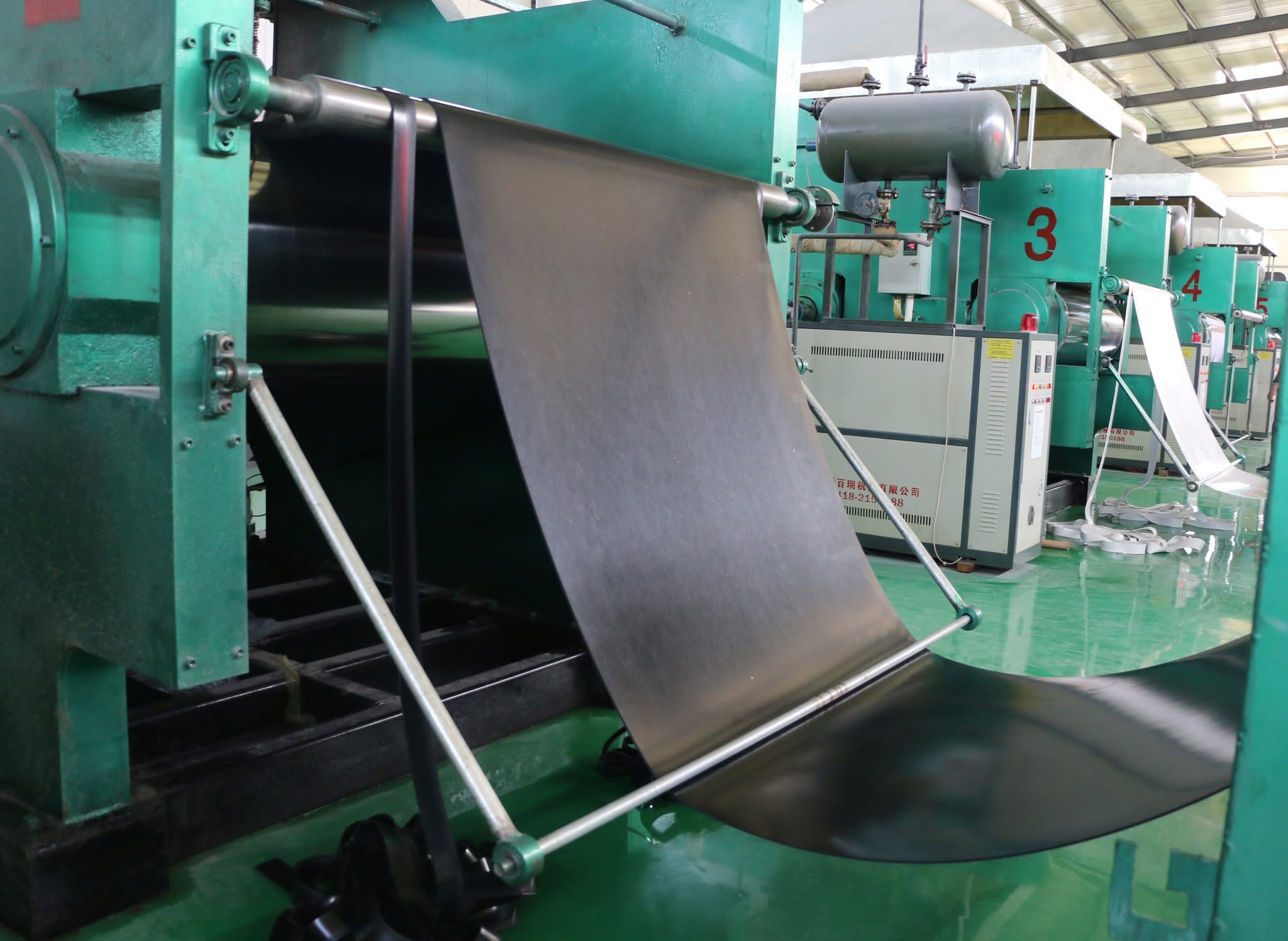
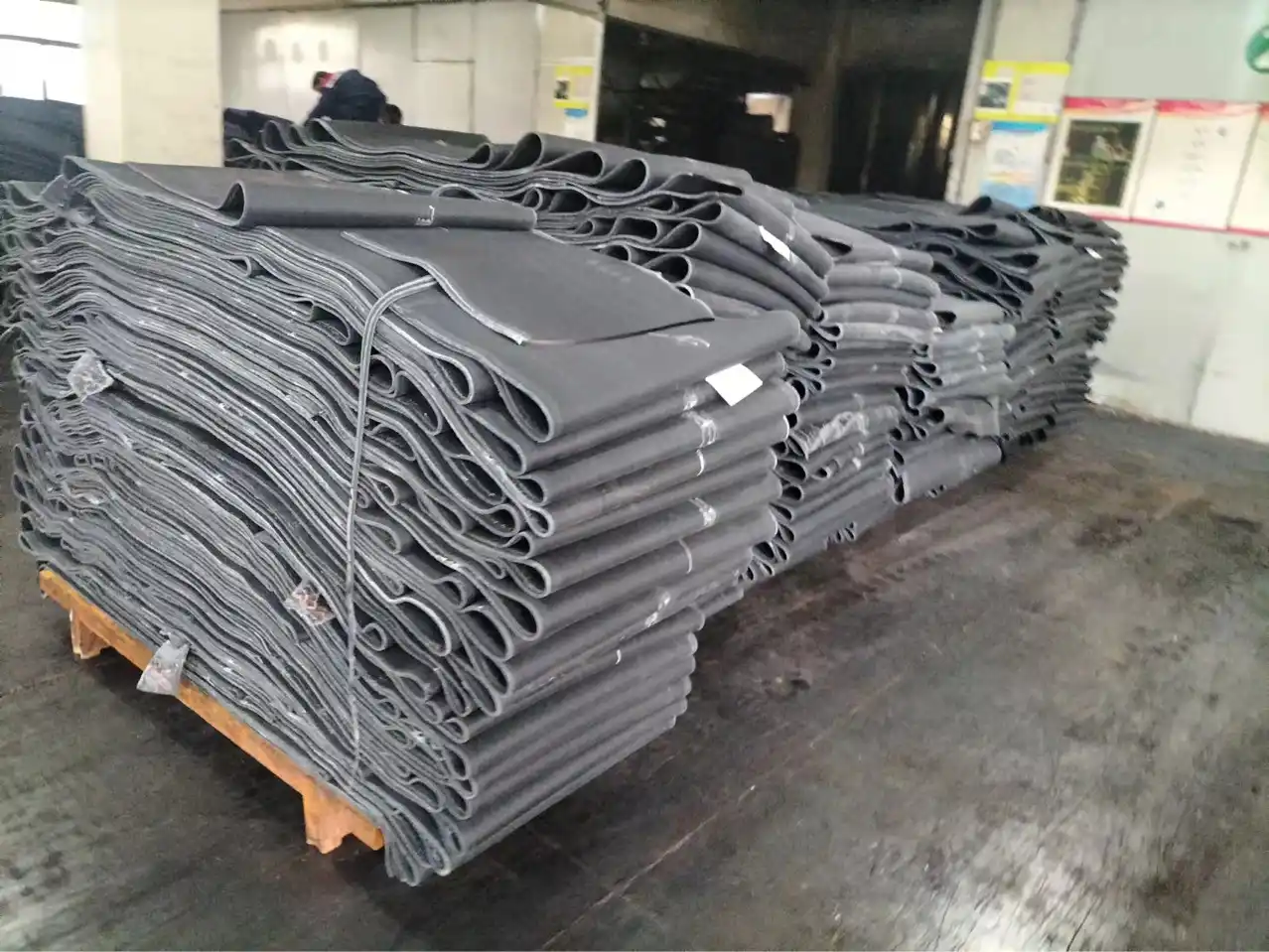
Manufacturers commonly add wax and fatty acid amide additives to eliminate the self-adhesion issue of different types of raw rubber blanks. Besides, modified silicone additives are incorporated into automotive rubber components to boost surface lubrication and prolong the service lifespan of finished rubber parts.
4. Food & Pharmaceutical Packaging
For food-grade packaging films, producers mainly rely on high-purity modified silica and refined fatty acid derivatives. These materials fully meet all prevailing international safety standards. As for pharmaceutical blister packaging, silicone additives make packaging easier for consumers to open, while protecting the integrity of packaged drugs at all times.
Future Development Trends
Spurred by the rising popularity of green manufacturing concepts and surging market demand for high-end finished goods, the global anti-sticking agent industry is developing along four key trajectories:
1. Environmentally Friendly Formulations
Low-VOC additives and bio-based products extracted from plant waxes and natural fatty acids have gained huge traction across the market, owing to their biodegradable characteristics. Furthermore, PFAS-free fluorinated products and low-migration silicone formulations are being continuously updated and upgraded, helping businesses comply with increasingly stringent global environmental policies.
2. Multifunctional Composite Additives
Moving forward, anti-sticking agents will no longer only serve basic anti-adhesion purposes. The whole industry is focused on developing composite additives that combine anti-sticking, antistatic, wear-resistant and antibacterial properties all in one. Graphene-enhanced silicone additives have already been put into practical use in electronic manufacturing. Meanwhile, nano-silica composite materials can deliver outstanding anti-sticking effects even when used in minimal doses.
3. Tailored Precision Solutions
Off-the-shelf universal additives are no longer adequate for sophisticated high-end application scenarios. Raw material suppliers are now shifting to customized service modes. They develop heat-resistant formulas for aerospace components and low-migration products dedicated to medical device manufacturing, among other targeted solutions. This development approach not only improves the overall performance of end products but also cuts down redundant material waste for downstream manufacturers.
4. Upgraded Application Technologies
The supporting technologies for additive application are also undergoing iterative upgrades. Electrostatic spraying enables even coating of surface anti-sticking additives on workpieces. High-shear dispersion technology effectively resolves the agglomeration problem of inorganic powder materials, allowing companies to make full use of anti-sticking agents and maximize material utilization.
Conclusion
Manufacturers need to take multiple factors into account when picking suitable anti-sticking agents, including compatibility with base materials, actual processing limitations, performance requirements and relevant industry regulations. To put it simply: silicone additives feature wide material adaptability and perform best under high-temperature working conditions; fluorine-based additives are indispensable for applications in extreme environments; wax and fatty acid amide products offer the most cost-effective solution for large-scale conventional production; inorganic powder additives are the optimal choice for transparent products that require stable long-term quality.
With the continuous upgrading of manufacturing techniques, anti-sticking agents will keep moving toward greener formulas, diversified functions and personalized customization. Backed by advanced preparation and application technologies, these indispensable industrial additives will help manufacturers elevate production efficiency, stabilize product quality and realize sustainable production targets. In the meantime, industry practitioners need to stay updated on the latest product iterations and technological innovations to sustain their competitive edge in the global market。
