
Rubber vulcanizing agent, Rubber manufacturers primarily depend on three types of curing agents, tailored to diverse production scenarios and performance demands. Sulfur and sulfur-based mixtures are by far the most mainstream option, especially for natural rubber and styrene-butadiene rubber. Most producers favor sulfur-based curing systems mainly because they are cheap, easy to source, and capable of producing elastic rubber that stands up to long-term repeated extrusion and bending. That said, sulfur alone never achieves ideal curing results. Factories almost always add accelerators and activators to boost reaction efficiency and optimize the whole production process.Rubber vulcanizing agent, Peroxides are the second widely adopted vulcanizing material, designed exclusively for synthetic rubber materials like EPDM and silicone rubber. The biggest distinction between sulfur and peroxide curing rests on cross-linking forms: sulfur creates carbon-sulfur bonds, while peroxides form pure carbon-carbon bonds. This small difference in molecular structure gives peroxide-cured rubber much better high-temperature resistance and anti-aging performance compared to regular sulfur-cured rubber.
. For this key benefit, peroxide curing agents are widely adopted for parts that work under continuous high-temperature environments, such as vehicle hoses and sealing gaskets.
Rubber vulcanizing agent, Apart from sulfur and peroxide systems, there are specialized curing materials like metal oxides, amines and curing resins. Zinc oxide, magnesium oxide and other metal oxides mostly work as activators to facilitate sulfur vulcanization, but they can act as primary curing agents in certain custom rubber formulas. Amines are almost only used for cross-linking fluororubber, and resin-based curing additives create rubber compounds with hard surfaces and excellent dimensional stability.
Rubber vulcanizing agent, When picking the right curing agent, plant staff take many practical factors into account: the type of base rubber, target physical indexes of finished products, actual molding parameters on site, plus environmental protection regulations. For rubber products that touch food or medical devices, non-toxic, environmentally harmless curing formulas always come first. High-end industrial products such as aerospace fittings and automobile tires require curing systems that can withstand extreme temperature and heavy pressure.
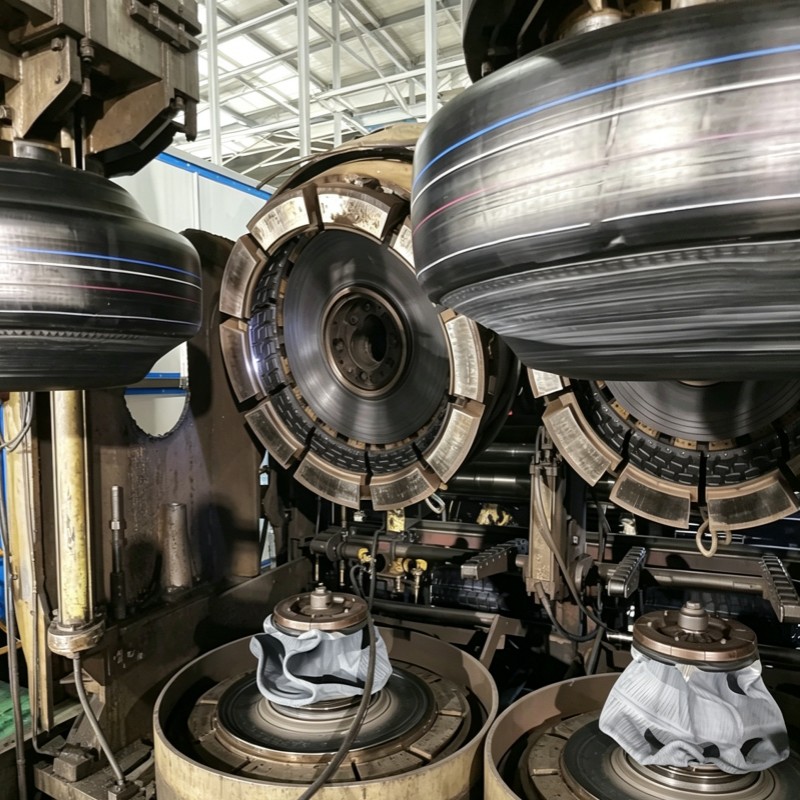
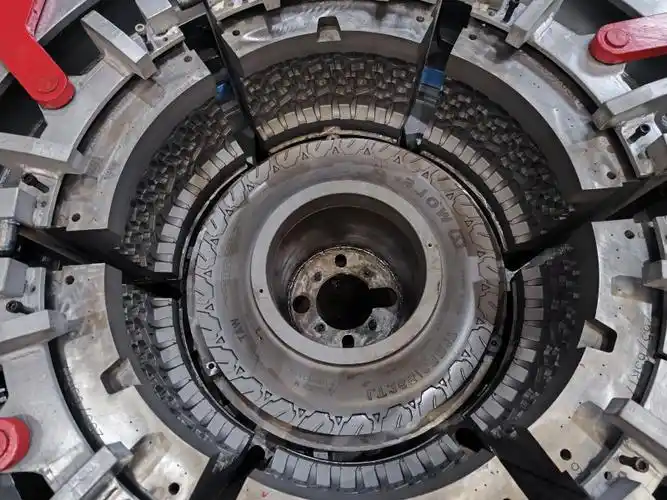
Rubber vulcanizing agent, A curing agent cannot exert its full advantages without matched vulcanization settings, which include curing temperature, holding time and molding pressure. Tuning these three critical values properly guarantees complete, uniform cross-linking reactions and stable quality from batch to batch. Insufficient curing or over-curing both result in defective products, commonly seen as brittle surfaces, poor elasticity and shorter service life.
In practical production, vulcanizing additives are an indispensable part of rubber processing. They convert soft, unworkable raw rubber into sturdy, usable finished materials. By forming cross-links between polymer chains, these chemicals improve rubber’s mechanical strength, thermal stability and chemical tolerance, expanding its application scope across countless industries. As rubber processing techniques keep improving, chemical manufacturers keep developing upgraded curing agents to satisfy rising market demand for high-performance, eco-friendly and cost-effective rubber goods. No matter for daily consumer goods or sophisticated industrial equipment, vulcanizing additives remain vital to stable rubber quality and steady functional performance.