

Car tires work really hard every day. They hold up the full weight of a car, spin super fast on hot road surfaces, and stay bendable even when the weather is freezing cold in winter. They hit rough potholes, road bumps and sharp small stones all the time, but they still keep their round shape and almost never break down. There’s one key manufacturing step that makes tires tough enough for all this wear and tear — and that step is vulcanization.
What vulcanization actually does
Tires start out with natural rubber, which is made from the juice of rubber trees. Pure, untreated natural rubber is soft, sticky, and acts weird when the temperature changes.
When it’s hot out, raw rubber gets even softer and stickier. It can lose its shape completely and turn into a messy, goopy blob. When it’s cold, it turns hard and easy to snap. It will crack or break apart when you put pressure on it.
If we made car tires out of this plain raw rubber, they would be totally unsafe and useless. They’d soften and fall apart in hot summer weather, and crack into pieces in cold winter weather. Plain rubber just isn’t strong, tough or stable enough for car tires at all.
Vulcanization fixes all these problems perfectly. It’s a simple treatment: we mix raw rubber with sulfur and heat the mixture up.
To put it simply, rubber is made of super long string-like tiny molecules. In raw rubber, these long strings are loose and can slide around freely, which is why plain rubber is soft, easy to bend out of shape and not strong enough.
When we heat rubber with sulfur, the sulfur particles stick to those rubber strings and build tiny, strong connections between them. We can think of these connections as tiny bridges. Each bridge links one rubber string to another. These tiny bridges spread all through the rubber, locking all the loose strings together into one solid, connected whole piece.
This change — from loose, sliding rubber strings to a tightly locked structure — is what makes treated rubber totally different from raw rubber.
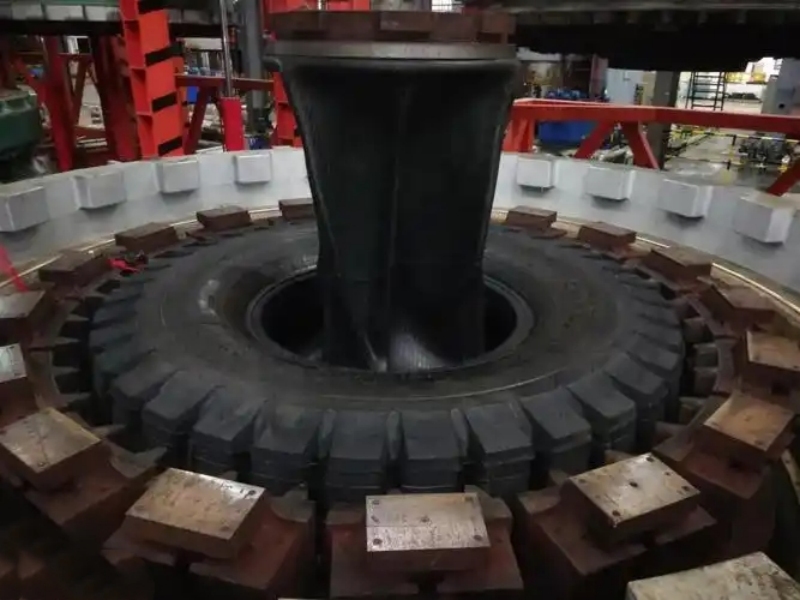
What good vulcanization brings to car tires
1. Way stronger
With all rubber strings locked together, the rubber won’t tear or pull apart easily. The whole tire structure works as one to hold heavy weight, including the car itself, passengers and cargo.
2. Good bounce and shape recovery
When the tire runs over bumps and gets squeezed, the connected rubber structure can stretch a little. Once the pressure is gone, those tiny sulfur bridges pull the rubber back to its original round shape. This lets tires smooth out bumpy rides and stay in good shape for years of use.
3. No damage in high heat
The tight locked structure keeps rubber steady even on scorching hot roads in summer. The tire won’t melt, turn sticky or deform in high temperatures.
4. Still bendable in cold weather
This special structure also stops rubber from turning stiff and brittle when it’s freezing. Tires stay soft and flexible enough to drive safely in cold winter conditions.
5. Smooth, non-sticky surface
Raw rubber is super sticky and picks up everything easily. After vulcanization, the tire surface becomes dry, firm and smooth. It won’t stick to road trash or change shape just from sitting or rolling on the road.
Simply put, vulcanization turns fragile, weather-sensitive raw rubber into a tough, stretchy and dependable material that works well in all kinds of weather.
About Us
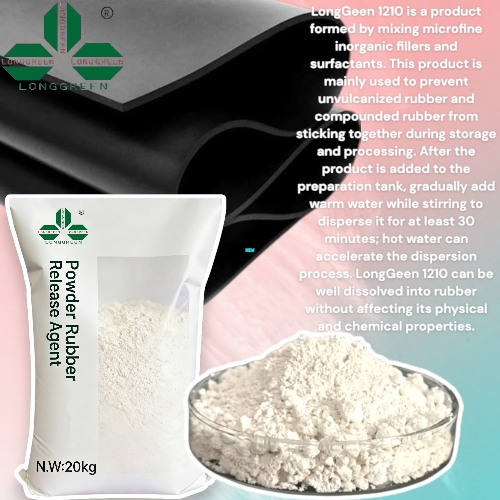
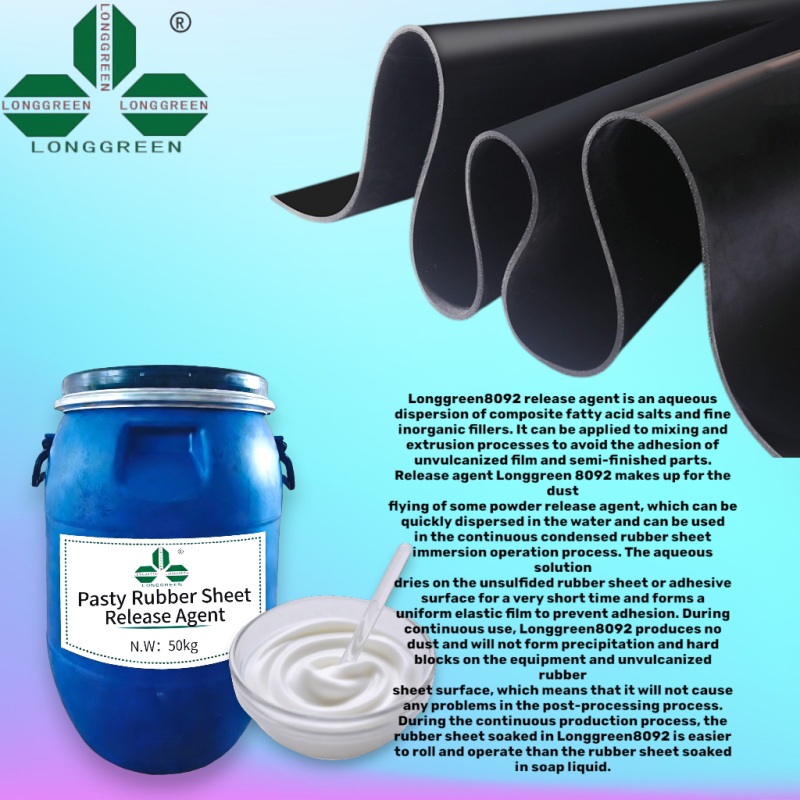
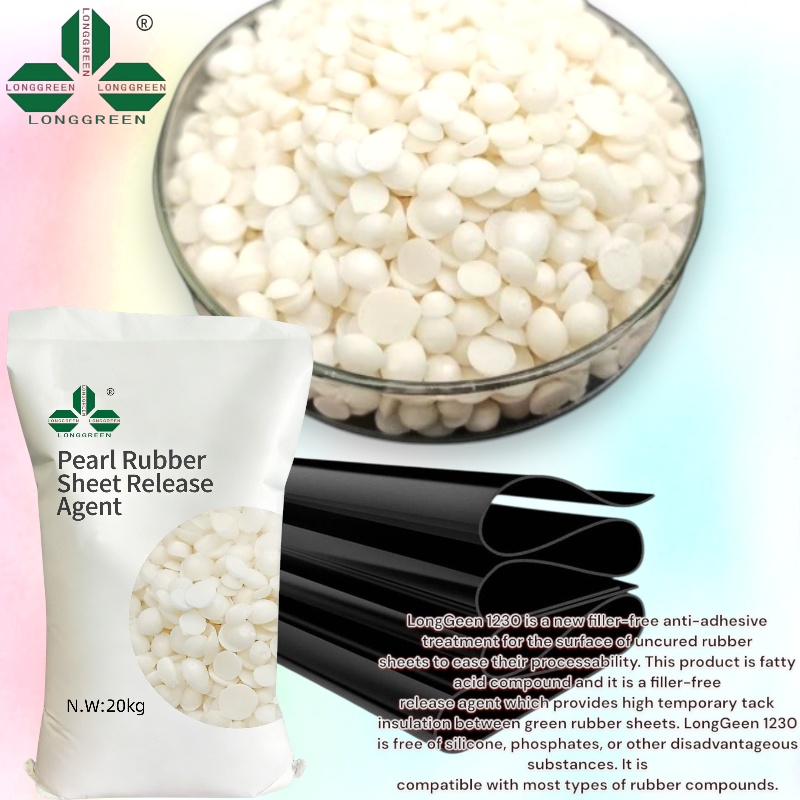
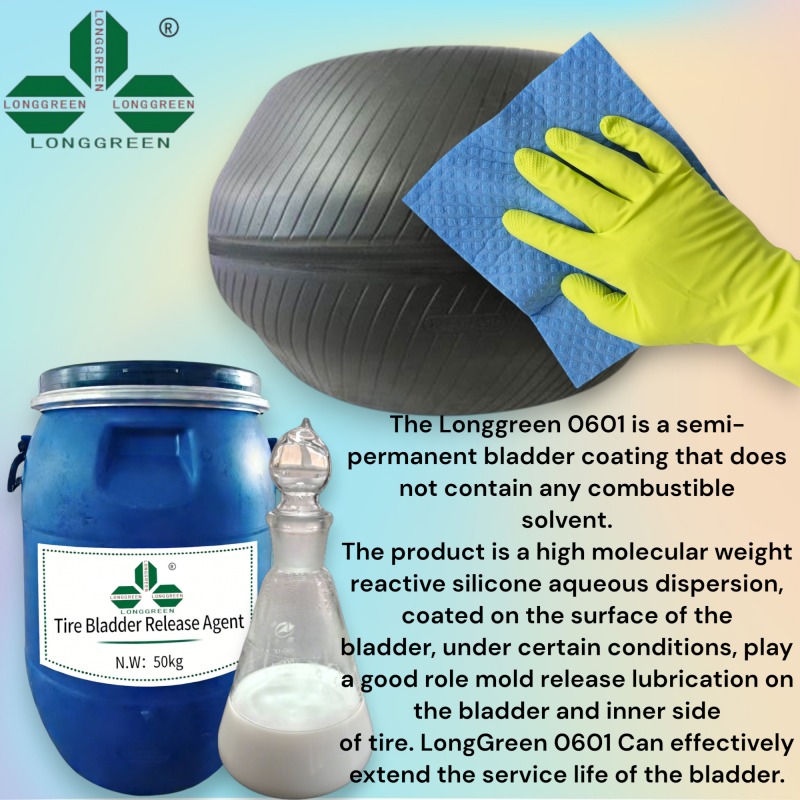
Shenyang Longgreen Science & Technology Co., Ltd. mainly makes mold release agents for tire vulcanization and other rubber processing additives. Our products help tire factories do vulcanization better and faster, and make more high-quality, durable car tires. If you want to know more about tire production and tire making materials, feel free to get in touch with us.
