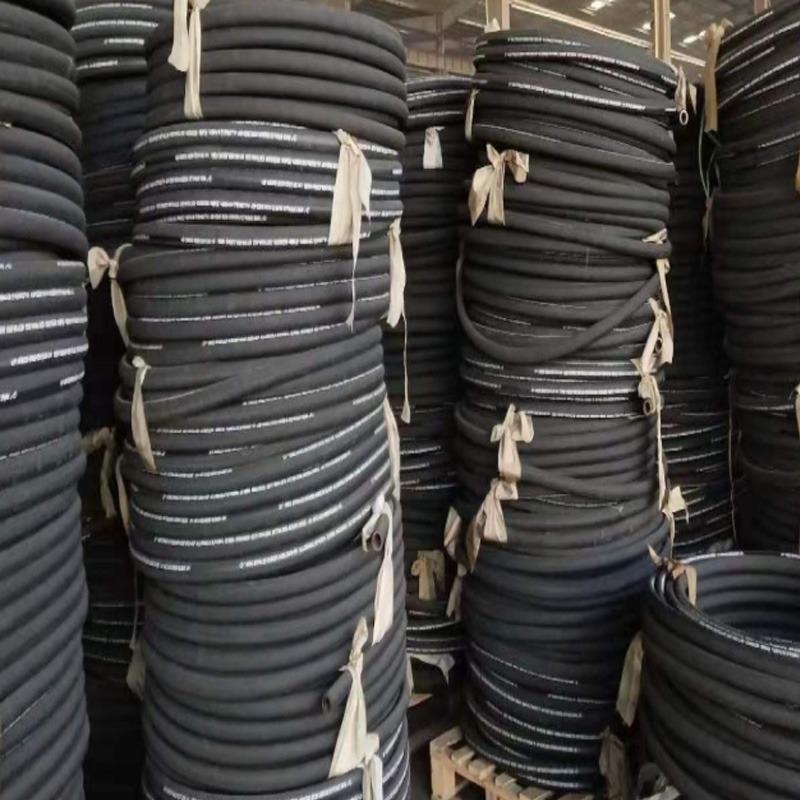

If you’ve pulled finished rubber hoses off metal mandrels only to spot flaking, peeling outer or inner layers on the tube surface, you know how much scrap and lost production time this issue brings, and most factory workers tend to blame uneven vulcanization or poor rubber compound mixing without checking one easily overlooked factor—your mandrel release agent. I’ve talked with dozens of hose plant technicians over the years, and nine out of ten peeling cases trace back to mistakes tied to the release agent they’re spraying on core rods before molding. Many teams grab cheap general-purpose mold release sprays meant for solid rubber blocks, not hoses with layered fabric or wire reinforcement, and these cheap formulas leave a thin, unstable weak boundary layer between the mandrel and uncured rubber. When high heat hits during vulcanization,
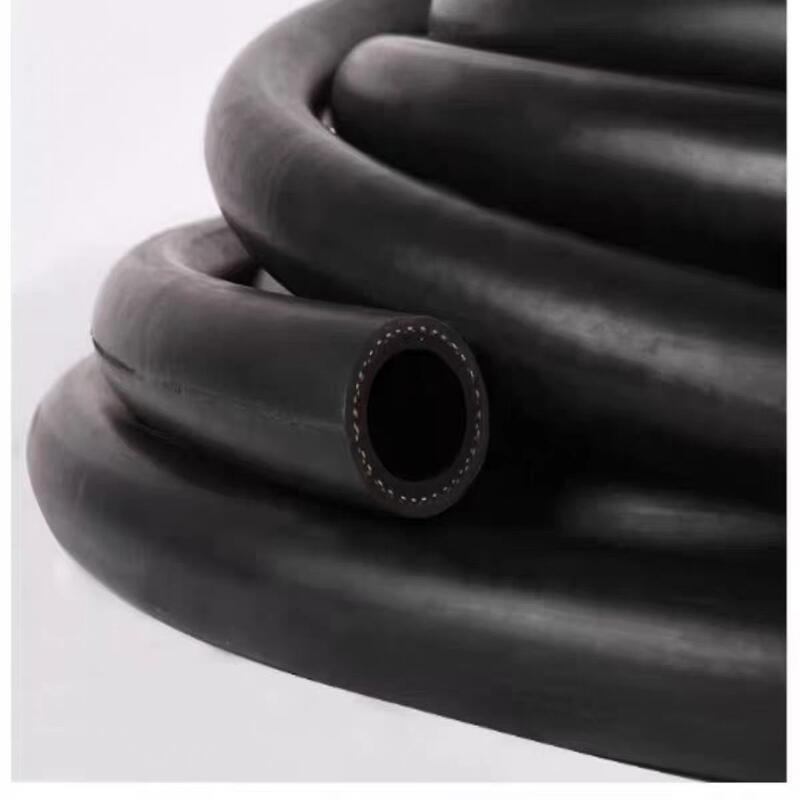
part of that low-grade release agent seeps into the hose’s inner rubber layer, breaking the tight bond between the inner tube and reinforcement fabric, so the layer pulls away the second you pull the hose free from the mandrel. Even if you use a hose-specific release agent, misjudging the dilution ratio or spraying a far thicker coat than needed causes the exact same peeling trouble; too much agent builds up residue that sinks into soft uncured rubber, splitting the material’s internal layers once cured. Another common mistake I see is switching between silicone-based release agents and standard water-based options mid-batch without fully cleaning mandrels—leftover silicone residue never fully burns off in standard vulcanization ovens, and it creates invisible separation points that turn into visible peeling after demolding. Some factories also skip drying the mandrel after spraying release agent, trapping water droplets under the rubber during heating; trapped moisture creates tiny micro gaps that expand under heat,
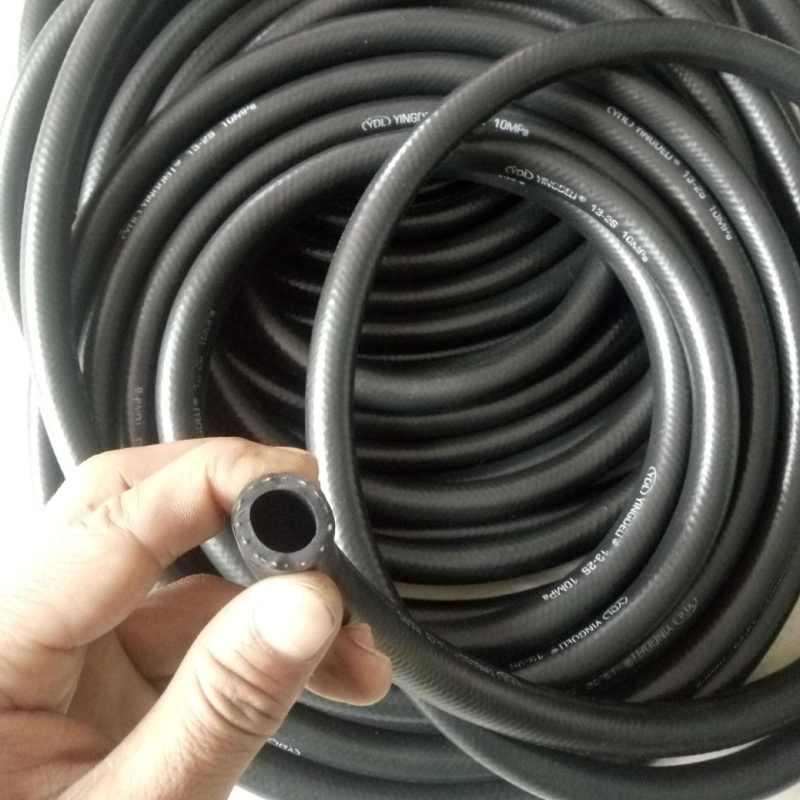
splitting the hose’s surface layers once you demold it. It’s easy to waste weeks adjusting vulcanization temperature, dwell time, or rubber mixing formulas trying to fix peeling, but those tweaks won’t resolve the root separation issue if your release agent isn’t formulated for multi-layer rubber hose mandrel use. You don’t need to overhaul your whole production line to cut peeling defects either, switching over to Longgreen7501 rubber hose release agent fixes most of these common headaches straight away. This silicone-free water-based formula creates a thin, uniform lubricating film on mandrels that won’t seep into uncured rubber layers during vulcanization, so it delivers smooth mandrel pull-out without leaving leftover residue that weakens interlayer adhesion on EPDM, NBR, NR and CR hydraulic or water hoses. It dilutes cleanly with water per your line’s process needs, no thick messy buildup even with regular repeated spraying, and it won’t corrode your metal mandrels over long shifts. A lot of our factory clients who previously dealt with constant hose peeling switched to this product, and they’ve seen scrap rates from surface delamination drop noticeably within the first production week, without needing to rework their existing vulcanization or mixing parameters at all.