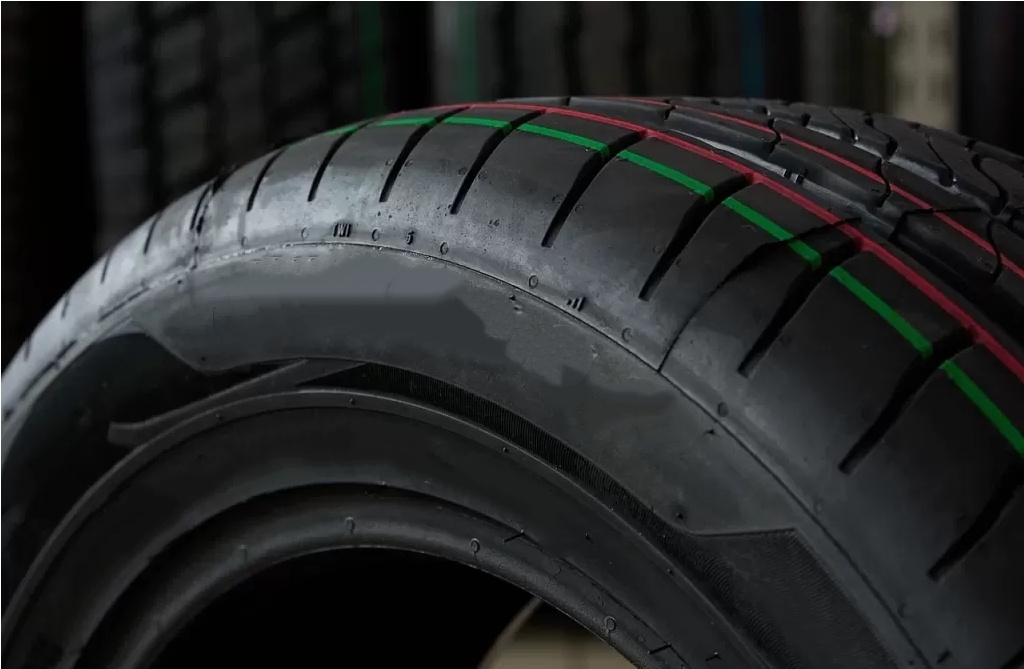




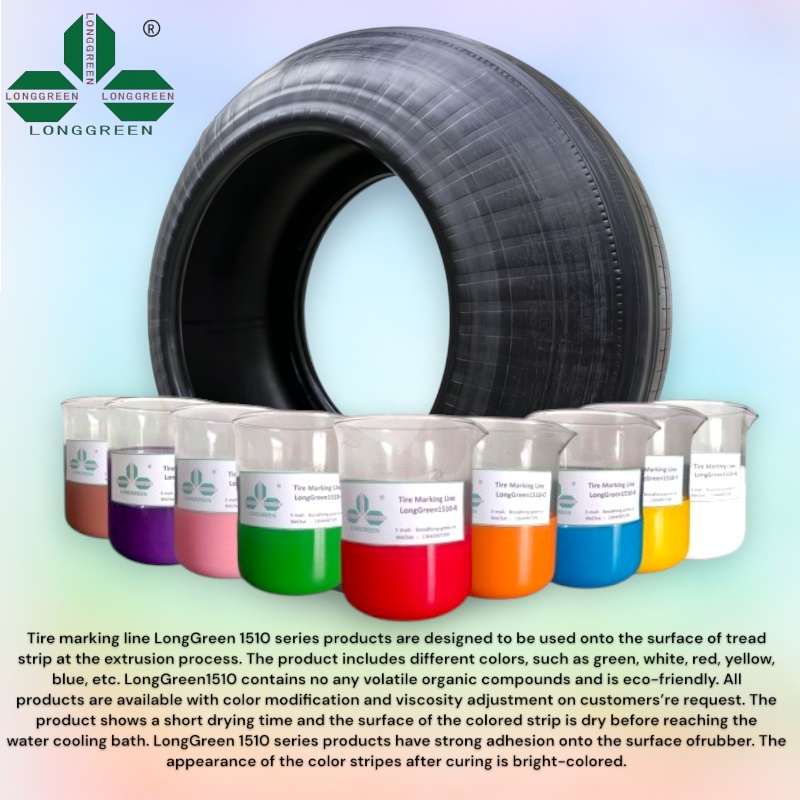
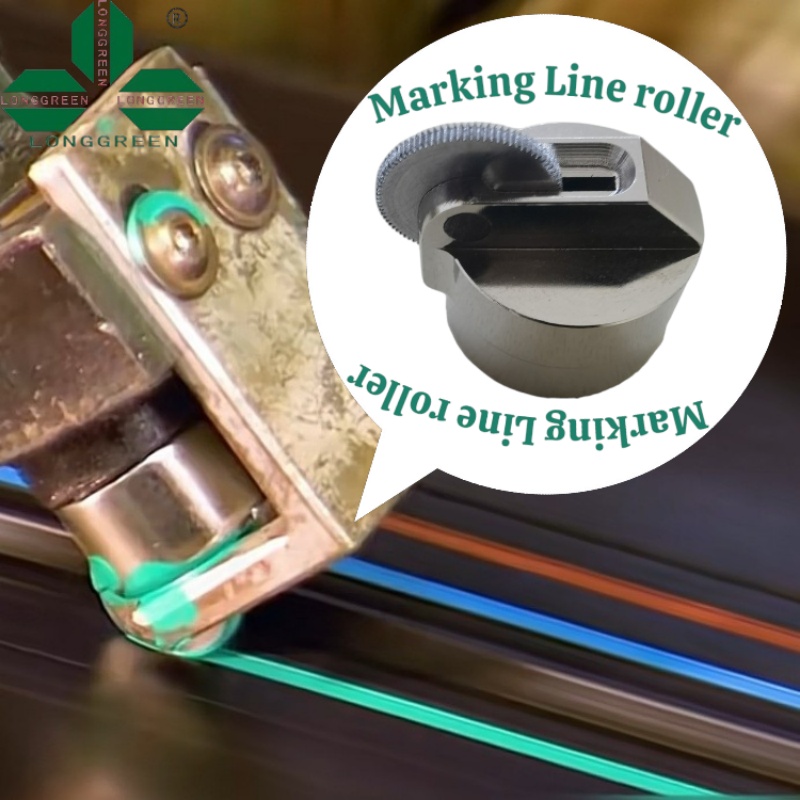
Most factory workers in tire workshops only pay close attention to mixing and vulcanization processes, and easily overlook those thin colored marking lines on tire treads. A lot of people think they are just random painted marks with no real value, but these simple lines are actually indispensable for standardized tire manufacturing and quality control. Marking lines are often underestimated.
First and foremost, tire marking lines are used for quick classification and sorting. Tires with the exact same outer size often have different grades and configurations: heavy-duty load type, standard passenger vehicle type, noise-reducing customized type, and special models for specific automobile manufacturers. These tires look nearly identical to the naked eye. Workers will inevitably mix up different models after long hours of repetitive manual identification.
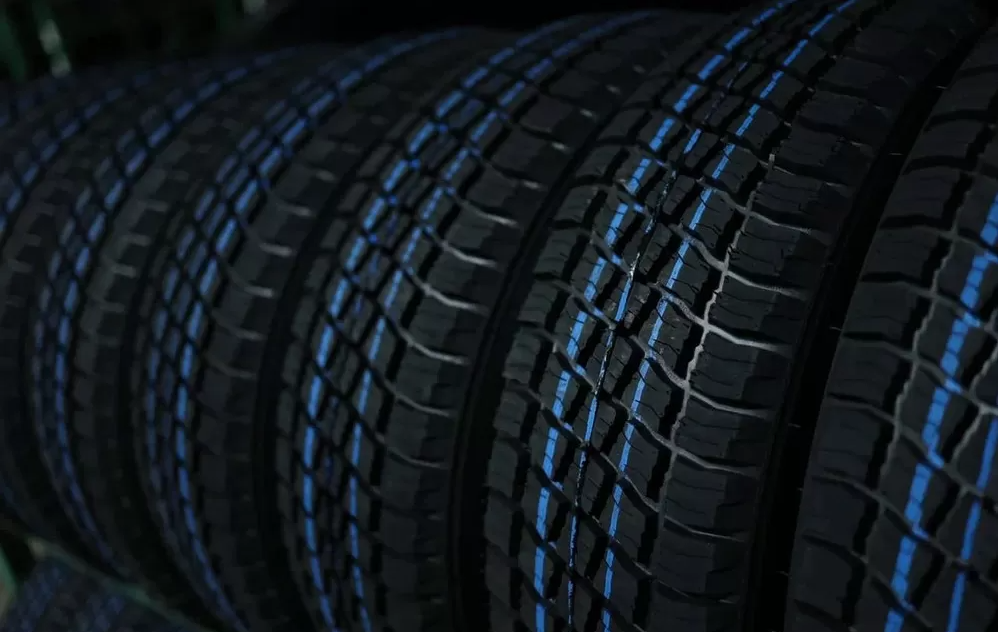
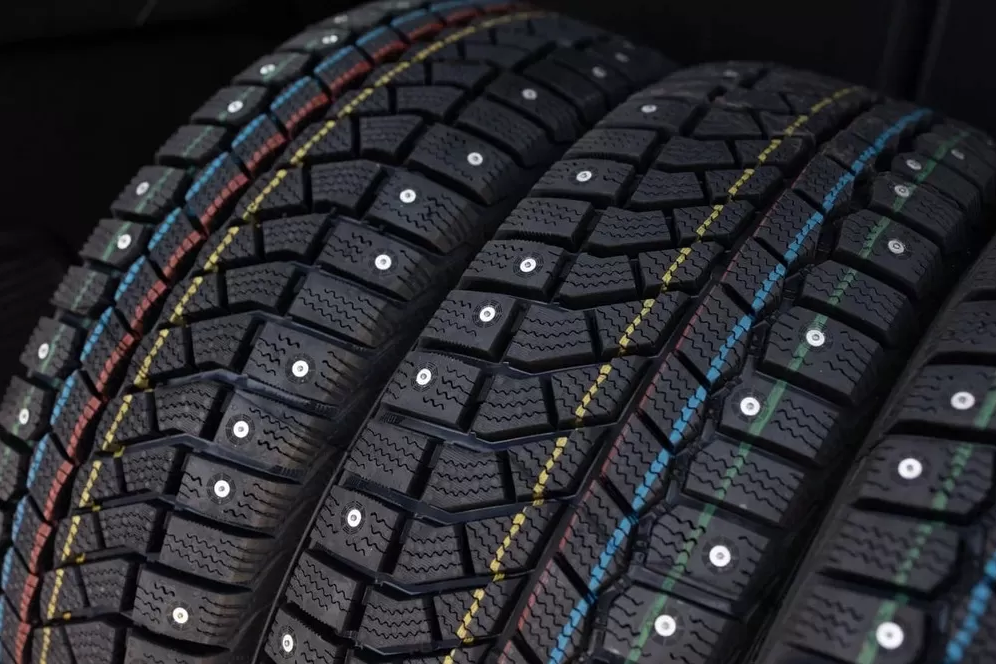
Manufacturers assign fixed colors and line quantities to different tire categories. The marks are printed on tire treads right after the extrusion process. Workers at cutting and molding stations can classify products at a glance without checking complicated process documents. This simple method effectively prevents wrong assembly of semi-finished tires and avoids batch product scrap caused by model confusion.
Besides classification, these lines act as an intuitive reminder for production process parameters. Tires of the same size may adopt different rubber formulas, hardness standards and vulcanization requirements based on customer orders. Factories use single or multiple marking lines to distinguish matched process standards. Using consistent marking lines simplifies operator training.
Operators at molding and vulcanization stations do not need to check technical files repeatedly. They can set the correct temperature and processing time simply according to the tire marking lines. This standardizes on-site operation, and greatly reduces common defective products such as under-vulcanized, over-vulcanized tires and tread delamination.
Tire marking lines also serve as the core reference standard for finished product quality inspection. Inspectors take these lines as the benchmark to check tread thickness and manufacturing uniformity. If the marking line is offset, crooked or uneven in width, it directly indicates unstable extruder pressure and unbalanced tread discharging thickness. Technicians can quickly locate equipment faults in the extrusion section without disassembling tire structures for complex testing, which saves a lot of equipment debugging time.
Another underrated key function is product traceability. Every specification of tire marking lines corresponds to clear production records, including raw material batches, production shifts and operating equipment data. If abnormal tire wear, tread cracking or other quality problems occur after launching to the market, manufacturers can trace the root cause quickly via the marking line standard. Traceability depends on accurate marking lines.
They can confirm whether the problem comes from unqualified raw materials, irregular manual operation or faulty equipment, and carry out targeted rectification instead of adjusting the whole production line. This largely cuts after-sales maintenance and correction costs.
These inconspicuous lines also bring great convenience to warehouse management and delivery. Paper labels on tire surfaces are easy to wear and fall off during stacking and handling. By contrast, tread marking lines are wear-resistant and not easy to fade. Warehouse staff can sort out mass goods efficiently for different dealers and export orders. It dramatically reduces wrong delivery, missing delivery and subsequent return loss.
Some factories try to cancel the marking process to save minor labor costs. This seems to cut down working hours in the short term, but it will lead to huge hidden losses. Batch confusion, mass defective products and frequent after-sales compensation will cost far more than the simple marking procedure.
To sum up: tiny tire tread marking lines are low-cost but critical quality control markers running through the whole tire production chain. They look trivial, but they are essential to stabilize production quality and control defective rate for every tire manufacturer.