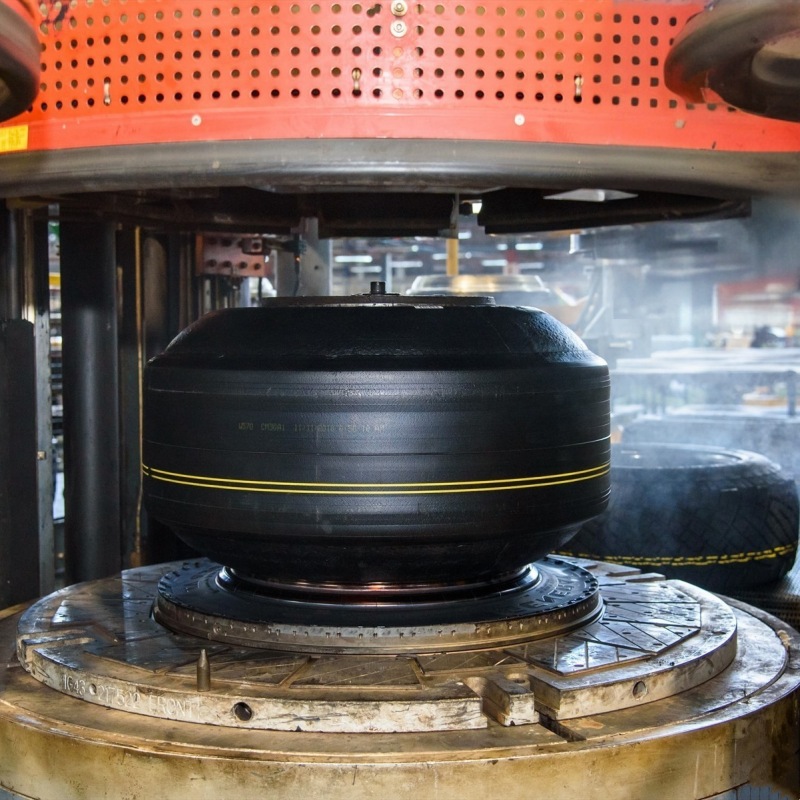

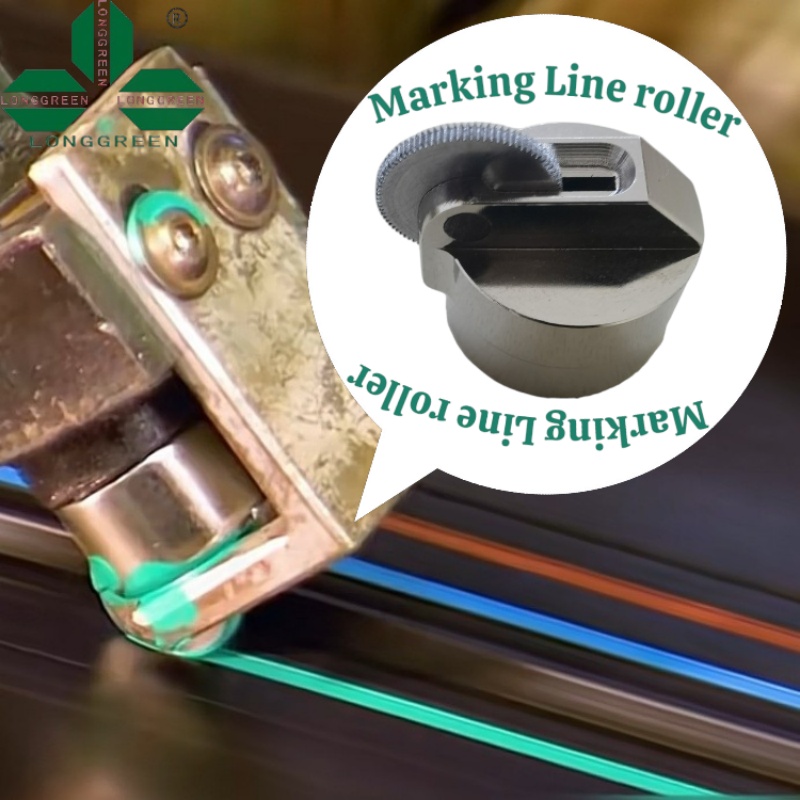
Tire vulcanization happens under extreme high temperature and high pressure inside the floating mold. The uncured green rubber is extremely sticky and malleable
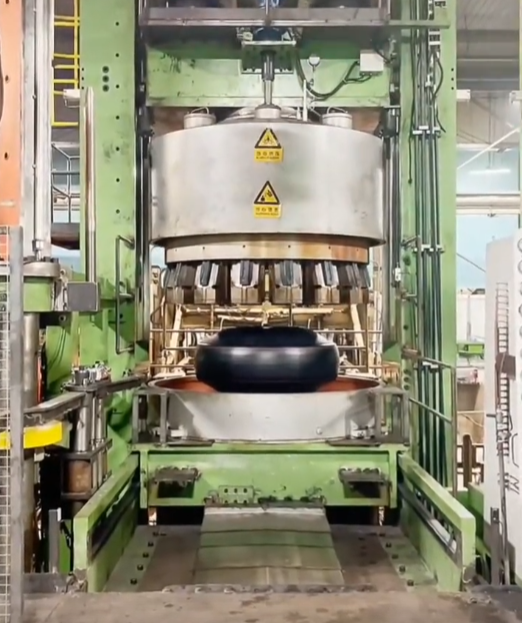
Beyond product quality issues, frequent sticking also seriously damages floating molds. Forced separation will wear down the mold’s precision textures, and residual rubber buildup on the mold surface accumulates cycle by cycle. This buildup requires frequent shutdown cleaning and maintenance, which severely disrupts continuous production rhythm, lowers output, and increases mold repair and replacement costs.
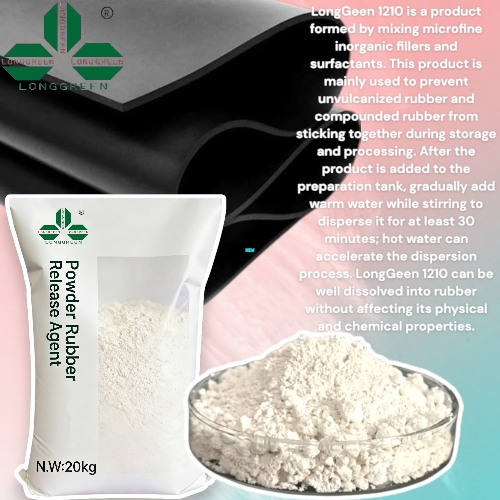
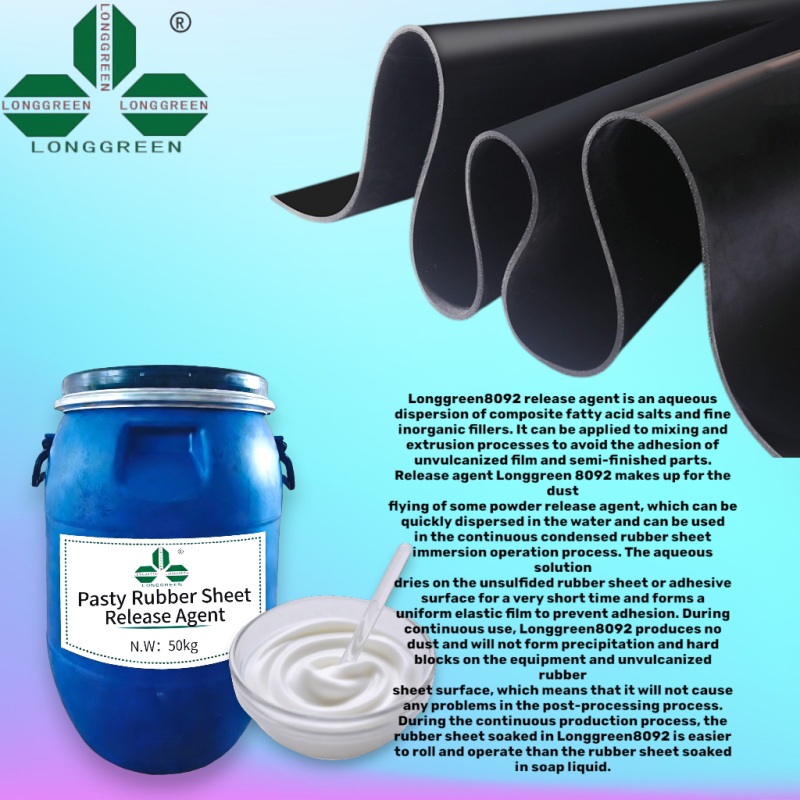
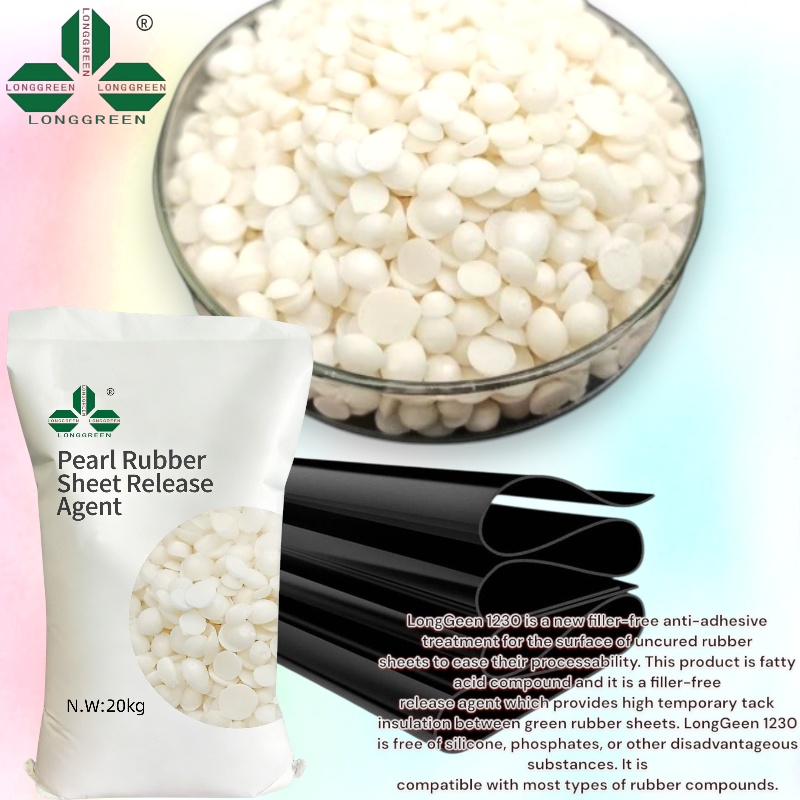
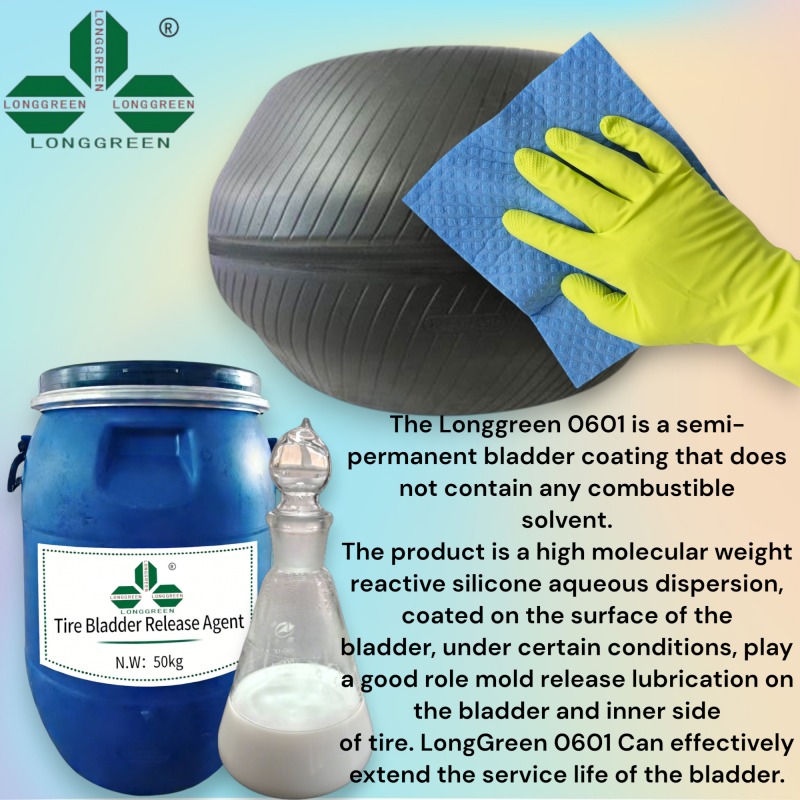
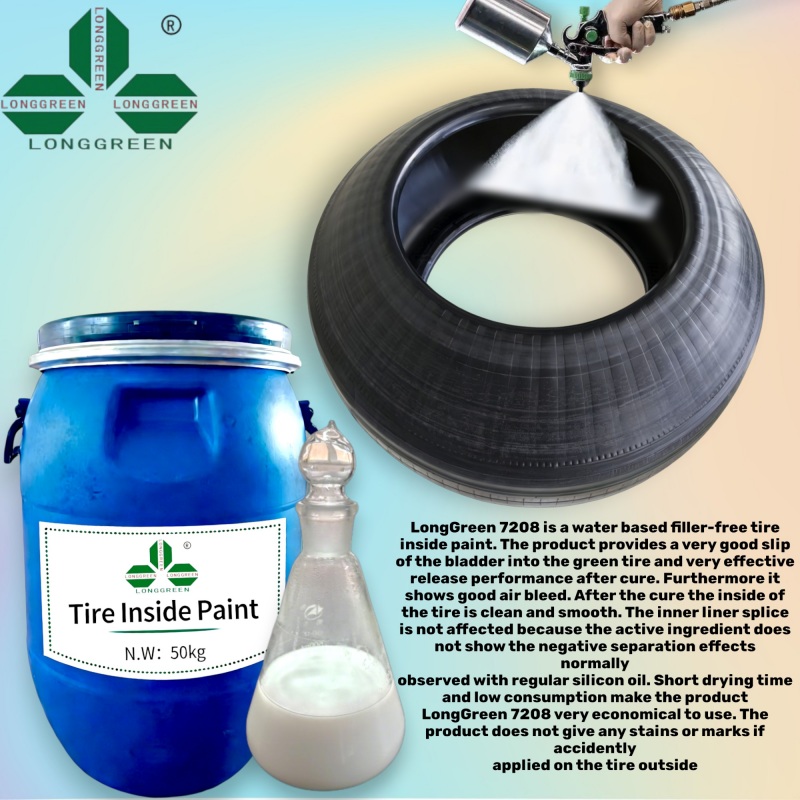
A high-quality tire release agent solves all these problems perfectly. It forms a uniform, heat-resistant protective film on the floating mold surface before vulcanization. This film effectively isolates the rubber compound from direct contact with the metal mold, completely eliminating adhesion during high-pressure and high-temperature curing.
With proper release agent application, finished tires can pop out smoothly and completely after curing. Every tread line, sidewall marking and fine texture stays intact and standard. Meanwhile, the mold surface remains clean with almost no rubber residue, greatly reducing mold fouling and extending mold service life. Production speed gets a stable boost too, as we avoid repeated demolding attempts and frequent mold cleaning downtime.
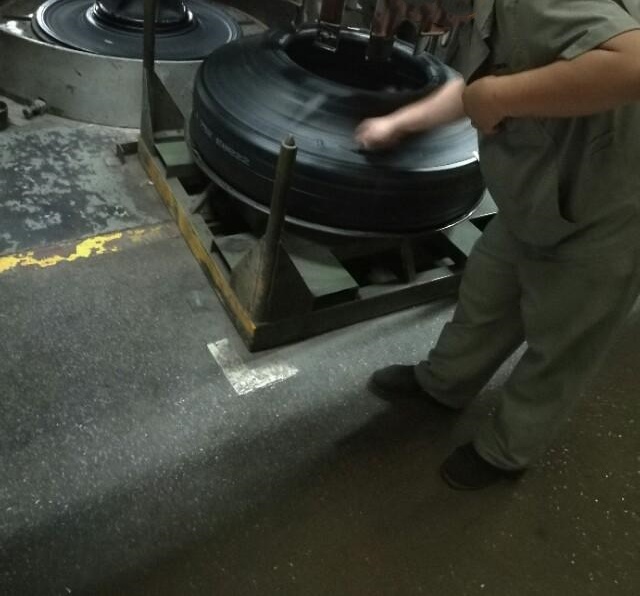
To sum up, tire release agent is not an optional auxiliary material in floating mold production. It is a basic guarantee for stable vulcanization, flawless tire appearance, low mold loss and efficient mass production. Skipping or saving on release agent costs will only lead to more defective products, higher maintenance costs and lower overall factory benefits in the long run.