
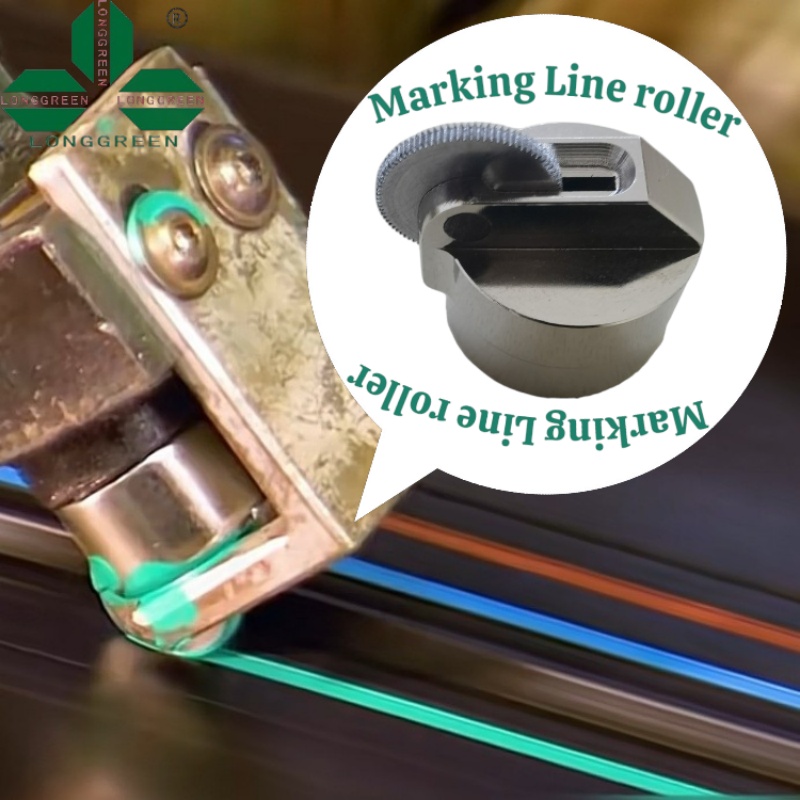
What is rubber product curing mold release agent used for?
Perhaps many purchasing agents don't know why mold release agent is needed in the vulcanization process. What is mold release agent used for? You can think of the metal mold for rubber as a cake baking pan. If you don't grease the pan first, the baked cake will stick firmly to the pan and break when you try to remove it. Rubber vulcanization is also a high-temperature, high-pressure "baking" process. Mold release agent creates a layer of isolation film between the mold and the rubber. It mainly does these five things:
1.Makes the product come out easily: no sticking, no tearing of the rubber part.
2.Protects the mold: prevents rubber residue from sticking to the mold and scratching or clogging it.
3.Makes the product surface look better: no tear marks, better smoothness, less scrap.
4.Helps the rubber compound flow and fill the entire mold: just like cooking oil spreads out on its own when poured into a pan.
5.Does not affect subsequent processes: a good mold release agent leaves little residue, does not affect labeling, painting, or gluing.
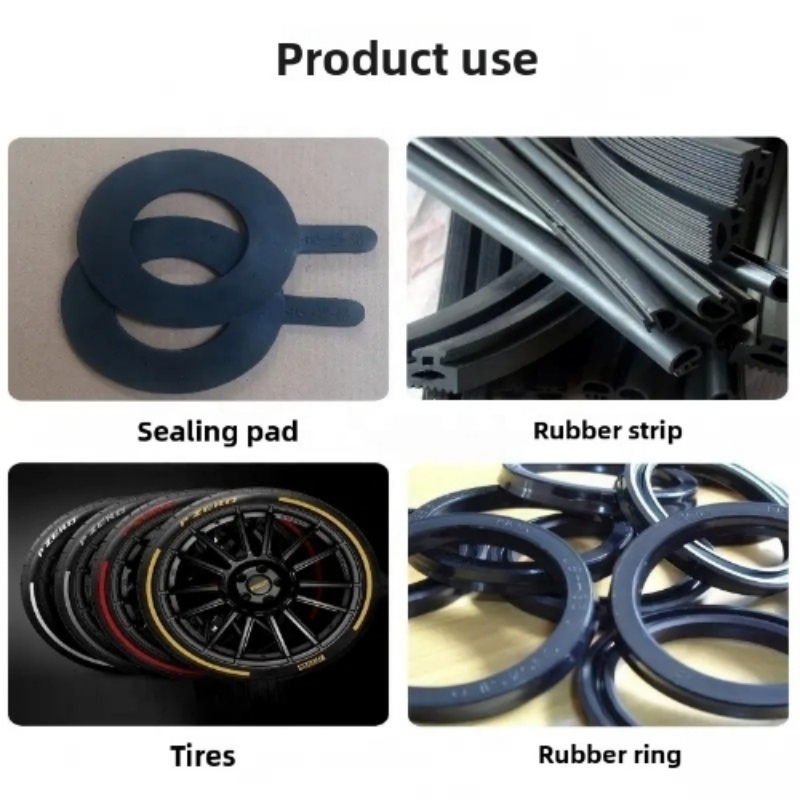
Mold release agents are generally divided into two types: water-based and oil-based. Which is better, water-based or oil-based mold release agent?
In most cases, water-based is better. Unless your workshop is as cold as a refrigerator, or the mold is particularly difficult to release, then oil-based might be considered. Here is a table to show the differences between these two types of mold release agents:
| Comparison Items | Water-based Release Agent | Oil-based Release Agent |
| Main Ingredients | Water | Gasoline, diesel oil, silicone oil |
| Will it catch fire? | Absolutely non flammable, very safe | Flammable, explosion-proof measures must be taken in the warehouse and workshop |
| Does it smell pungent? | Almost tasteless | There is a solvent smell, and I feel dizzy after smelling too much |
| Is the mold dirty or not? | Very clean, the mold can be used continuously for a long time | Easy to form black scale, it is necessary to stop cleaning regularly |
| Impact on subsequent processing | Clean and tidy, can be directly painted or glued | Oily, must be washed off before processing |
| Are you afraid of the cold? | Afraid of freezing, it will freeze below 0 ℃ | Not afraid of freezing, just leave it in winter |
| Usage cost | The unit price may be slightly | It looks cheap, but there are |
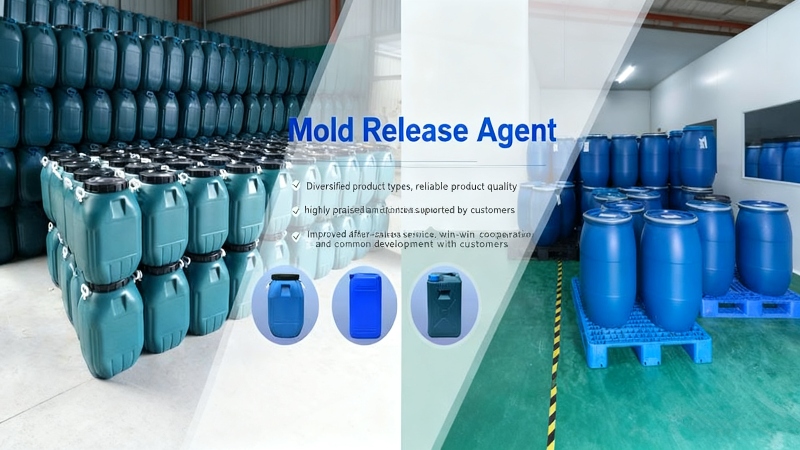
So under what circumstances would a factory choose water-based mold release agent?
You care about environmental protection and health, and don't want workers to smell gasoline every day; you have high requirements for product appearance, cannot have oil spots or bubbles, and the product will subsequently need labeling, painting, or bonding; you want to reduce mold cleaning frequency and improve efficiency; the workshop temperature is not below 0°C (as long as there is heating or insulation in the north).
"Water-based mold release doesn't work as well" — that was in the past. Nowadays, good water-based mold release agents (not cheap ones) perform just as well as oil-based ones in terms of release, and they keep the mold cleaner. It is the direction of industry development.LongGreen9346, made by Shenyang Longgreen Science & Technology Co., Ltd., is a great water-based release agent. We believe it’s a good choice for you!
